A Colorado driver is behind bars after allegedly slamming into a State Patrol vehicle and pinning a CDOT worker, then speeding away from the scene before troopers stopped him. The crash has reignited concerns about roadside safety and impaired driving in Colorado’s busy corridors.
Early Morning Chaos on Highway 36
It was just before 2 a.m. when the calm of an overnight traffic control scene turned to mayhem.
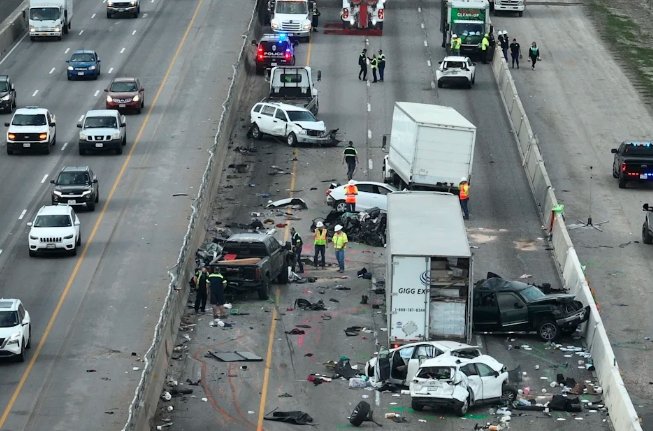
A black 2011 Toyota Camry plowed into the back of a parked CSP vehicle that was providing protection for workers clearing a previous crash.
The impact? It shoved the patrol vehicle forward, pinning a CDOT contractor. The sound of metal crunching echoed under the highway lights.
The crash happened in the left lane of eastbound Highway 36, not far from Pecos Street — a spot notorious for fast-moving traffic, even in the dead of night.
Suspect Flees — But Not For Long
After smashing into the patrol car, the driver didn’t stop. CSP says the Camry just kept rolling eastbound, leaving behind a scene of flashing lights and injured workers.
A second trooper didn’t hesitate. He maneuvered quickly, executing what’s called a Tactical Vehicle Intervention (TVI). Basically, it’s a controlled tap that forces a fleeing car to spin out and stop.
Minutes later, the suspect was in handcuffs.
Who Is Bryan Granillo?
Authorities later identified the driver as 28-year-old Bryan Granillo.
By the time he was arrested, troopers suspected he’d been drinking. Those suspicions didn’t take long to turn into charges:
-
Driving under the influence
-
Felony eluding
-
Failure to remain at the scene
He was booked at the Adams County Sheriff’s Detention Facility before dawn.
Granillo hasn’t spoken publicly. It’s unclear if he’s retained an attorney yet.
Trooper and Highway Worker Hurt, But Released
When vehicles collide at highway speeds, injuries can be life-altering. Fortunately, this time, the damage was mostly to metal and pride.
Both the State Trooper and the CDOT contractor pinned by the patrol car were rushed to the hospital.
Hours later, CSP confirmed they’d been checked, treated, and released.
But the scare rattled crews. Roadside workers already operate with a target on their backs every time drivers fly by.
Roadside Safety: A Persistent Risk
This isn’t the first time Colorado has faced a close call with impaired drivers near highway work zones. In fact, the stats paint a rough picture:
| Year | Work Zone Crashes | DUI Involved |
|---|---|---|
| 2023 | 2,348 | 188 |
| 2024 | 2,517 | 214 |
| 2025 (YTD) | 1,056 | 98 |
Source: Colorado Department of Transportation, June 2025
The numbers don’t lie. Drivers still don’t always slow down. And when alcohol’s in the mix, the risks skyrocket.
Troopers Share a Familiar Frustration
For troopers and CDOT crews alike, this isn’t just about one man’s poor choices.
“It’s frustrating,” one CSP official said. “We stand out there to protect people. Then someone comes through impaired and turns us into the next crash scene.”
Workers on the front lines know the feeling. A highway flagger named Maria, who’s been hit once before, said: “People don’t get it. We’re not invincible.”
How TVI Tactics Work
The chase that ended Granillo’s getaway involved a textbook TVI — a technique that’s part science, part art.
Not every situation allows for it. But when it does, it can mean the difference between a long pursuit and a safe stop.
Here’s the gist:
• A pursuing officer aligns their patrol vehicle with the suspect’s rear quarter panel.
• They apply controlled pressure to force the fleeing car into a spin.
• The suspect vehicle loses traction and comes to a stop.
When done right, it’s quick and minimizes collateral damage. When done wrong — well, it can be a mess.
The Ongoing Investigation
At this point, investigators are working through toxicology, dashcam footage, and statements.
Granillo faces multiple charges, but it’s possible more could be added if further evidence comes up.
Troopers are also reviewing whether any additional measures are needed to protect workers. Some suggestions making the rounds: more barriers, better lighting, and stiffer penalties for impaired drivers in work zones.
One thing’s certain: Roadside crews will be back out there tonight — flares in hand, high-vis vests on, hoping every driver pays attention.