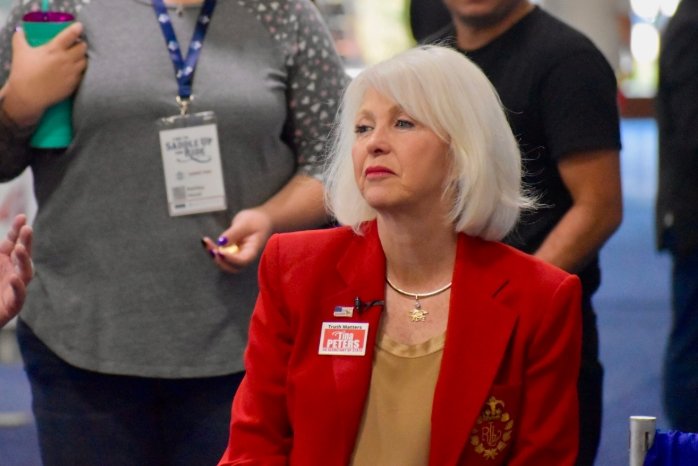
Colorado Governor Jared Polis has described the nine year prison sentence for former Mesa County Clerk Tina Peters as harsh, sparking fresh debate on possible clemency. In a recent interview, Polis suggested he is reviewing the case, while Mesa County District Attorney Dan Rubinstein responded by noting that no final decision has been made.
Polis Weighs In on Peters Case
Governor Jared Polis made headlines this week by calling Tina Peters nine year prison term severe. During a Thursday interview with a Denver news station, Polis pointed out that the sentence seems tough, especially for someone in their seventies.
He explained that Colorado often looks at sentences for older inmates to balance safety needs with compassion. Polis mentioned reviewing cases where elderly people might spend their later years at home instead of behind bars. This comes as Polis starts his final year in office, facing various pressures on criminal justice matters.
Polis has not committed to any action yet. He stressed that any decision would involve careful thought and input from many sides.
District Attorney Rubinstein Responds
Mesa County District Attorney Dan Rubinstein quickly addressed Polis comments. In a statement, Rubinstein said he has already met with the governor about the Peters case.
Rubinstein shared that Polis plans to talk with more people before deciding. He emphasized that no choice has been made, and the process remains open.
This reaction highlights the ongoing tension in the case. Rubinstein, who led the prosecution against Peters, stands by the original sentence but respects the governors review power.
The district attorney noted the importance of public safety in these discussions. He did not speculate on outcomes but confirmed the talks are thorough.
Background of Tina Peters Conviction
Tina Peters, once the Mesa County Clerk, faced charges after a 2021 security breach in her elections office. She was convicted in 2024 on seven counts related to tampering with voting equipment.
Prosecutors said Peters allowed unauthorized access to machines while trying to prove false claims about the 2020 election. The judge at her trial pointed out her lack of remorse during sentencing.
Peters received nine years, split between prison and jail time. She is currently held in a Pueblo womens facility, and her case has drawn national attention due to ties with election denial efforts.
Here is a quick timeline of key events in the case:
- 2021: Security breach occurs in Mesa County elections system.
- 2023: Peters indicted on multiple felony charges.
- 2024: Conviction on seven counts, followed by nine year sentence.
- 2026: Governor Polis signals review amid clemency talks.
This background shows how the case grew from local issues to a broader political story.
Public Reactions and Social Media Buzz
News of Polis comments spread quickly online, with mixed views from Colorado residents and beyond. Many on social platforms praised the governors compassionate stance, while others worried it could undermine election security.
Supporters of Peters see her as a whistleblower punished for questioning results. Critics argue the sentence fits the crime of breaching public trust.
Posts on platforms like X reflect strong opinions. Some users called for immediate release, citing Peters age and health. Others defended the courts decision, stressing accountability.
A table summarizing public sentiment based on recent online discussions:
| Group | View on Sentence | Key Reason |
|---|---|---|
| Peters Supporters | Too Harsh | See her as a victim of political bias |
| Election Officials | Justified | Protects voting integrity |
| General Public | Divided | Balance between mercy and justice |
| Political Figures | Varied | Pressure from national leaders |
These reactions show the case remains divisive in 2026.
Pressure from National Figures
President elect Donald Trump has publicly pushed for leniency in Peters case. Trump, a known ally of Peters, tried to pardon her earlier but faced limits since it is a state matter.
This federal pressure adds weight to Polis review. Colorado leaders report mounting calls for clemency as Trump prepares to take office again.
Polis has acknowledged these influences but insists his decision will focus on state interests. Recent events, like similar reviews in other states, highlight a trend in handling election related convictions.
Experts say this could set precedents for how states deal with aging inmates in political cases.
What Clemency Could Mean
If Polis grants clemency, it might allow Peters early release or a reduced sentence. Colorado law gives governors broad power in such matters, often used for humanitarian reasons.
However, opponents worry it could encourage more challenges to election systems. Supporters argue it corrects an overly punitive outcome.
Polis team has not set a timeline, but sources suggest a decision could come soon. This follows months of advocacy from Peters backers.
The case ties into larger debates on criminal justice reform, especially for nonviolent offenses by seniors.
Broader Impact on Colorado Politics
Peters case has shaped views on election trust in Colorado. It led to tighter security measures and ongoing audits.
As Polis final year unfolds, this decision could affect his legacy. With budget cuts and insurance reforms on his agenda, criminal justice remains a hot topic.
Voters are watching closely, as it reflects on fairness in the system. Recent polls show Coloradans split on clemency for high profile cases like this.
Share your thoughts on whether Tina Peters deserves clemency. Comment below or spread the word to keep the conversation going.