
Colorado health officials are sounding the alarm on radon gas, a silent threat lurking in many homes across the state. During National Radon Action Month this January 2026, the Colorado Department of Public Health and Environment is offering free test kits to help residents check their homes and cut lung cancer risks.
Understanding Radon and Its Hidden Dangers
Radon is a naturally occurring radioactive gas that seeps into buildings from the soil. It has no color, smell, or taste, making it tough to detect without proper testing.
This gas forms from the breakdown of uranium in rocks and dirt. Once inside a home, it can build up in basements, crawl spaces, and lower levels. Health experts warn that long exposure raises serious health issues.
People often overlook radon because it hides so well. Yet, simple steps can spot and fix problems before they harm families.
Federal guidelines set safe limits, but many places exceed them. Awareness campaigns like this month’s push aim to educate and protect.
Alarming Radon Stats in Colorado
Recent data shows about half of Colorado homes have radon levels above the Environmental Protection Agency’s action threshold of 4 picocuries per liter. This puts the state among the highest risk areas in the nation.
Geology plays a big role here. Colorado’s rocky terrain and soil types boost radon release. Urban spots like Denver and rural areas alike face this issue.
A 2026 report from state health officials estimates up to 500 lung cancer deaths yearly in Colorado link to radon. Smokers face even higher odds when exposed.
Testing reveals patterns. For example, homes in mountainous regions often show elevated readings due to natural uranium deposits.
Officials stress that every home needs checking, no matter age or location. New builds can trap radon just as easily as older ones.
Free Test Kits: Easy Access for Residents
The state health department launched a program this month to hand out free radon test kits while supplies last. Residents can order them online or through local offices.
This initiative ties into National Radon Action Month, proclaimed by Governor Jared Polis. It encourages testing to lower cancer risks statewide.
Kits are simple to use. They involve placing a device in your home for a few days, then mailing it back for results.
Demand has spiked, with thousands already requested in the first week of January 2026. Similar efforts in past years helped many families act fast.
To get yours, visit the state health website or call the hotline. Supplies may run out, so act soon.
Local events, like health fairs, also distribute kits. Community groups partner to spread the word.
Steps to Test and Fix Radon Issues
Testing your home is the first key move. Experts recommend doing it every two years or after major renovations.
Here are straightforward steps to follow:
- Order a kit from official sources.
- Place it in the lowest lived-in area for accurate results.
- Send it to a lab and wait for analysis.
- If levels are high, consult certified professionals for fixes.
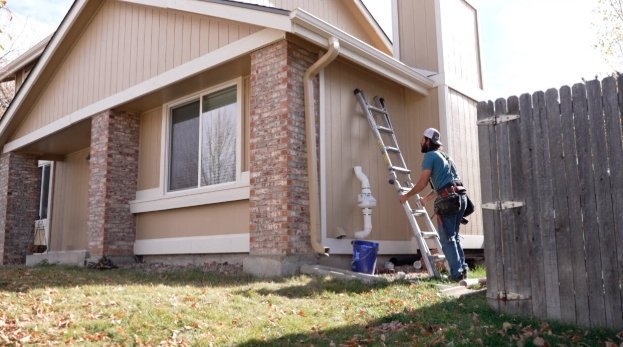
Mitigation often involves sealing cracks and installing vent systems. Costs vary but average around $1,200 for a typical home.
Do-it-yourself options exist for minor issues, but pros ensure safety. State resources guide you to trusted contractors.
Regular checks prevent buildup. Ventilation improvements, like fans, can lower levels effectively.
Health Risks and Broader Impacts
Radon stands as the top cause of lung cancer in nonsmokers nationwide. In Colorado, it contributes to hundreds of cases each year.
Combined with smoking, risks skyrocket. Public health campaigns highlight this to urge quitting tobacco alongside testing.
| Radon Level (pCi/L) | Risk Comparison | Action Recommended |
|---|---|---|
| Below 2 | Low risk, like 2 chest X-rays yearly | Monitor periodically |
| 2 to 4 | Moderate, equals 100 X-rays | Consider mitigation |
| Above 4 | High, matches smoking 8 cigarettes daily | Fix immediately |
| Over 20 | Extreme, like 1,000 X-rays | Urgent professional help |
This table shows why action matters. Elevated exposure over time damages lung tissue.
Kids and pets face risks too, though adults see more long-term effects. Early detection saves lives.
Other states report similar problems. Kentucky and Montana also offer discounted kits this month, showing a national push.
Nationwide Efforts and Future Outlook
Across the U.S., January 2026 sees a wave of radon awareness drives. Federal agencies back these with funding and info.
In neighboring Utah, health departments provide low-cost monitors. Montana offers discounted tests to residents.
These programs build on years of research. A 2025 study linked better testing to fewer cancer cases in high-risk zones.
Colorado leads with its free kit giveaway, inspiring others. Experts predict more homes will test, dropping overall risks.
Future tech may include smarter home sensors for ongoing monitoring. For now, basic kits remain the go-to tool.
Share this article with friends and family to spread awareness. Have you tested your home? Drop a comment below on your experiences or questions.