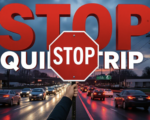
Colorado State Patrol is pushing all drivers and riders to understand the state’s lane filtering law, which took effect in August 2024. This rule allows motorcyclists to pass stopped vehicles safely, but many people still mix it up with illegal lane splitting, leading to citations and safety risks.
What Lane Filtering Means for Colorado Roads
Lane filtering lets motorcyclists move past cars and trucks that have come to a full stop in the same lane. The law aims to cut down on rear end crashes and ease traffic jams at stoplights or in heavy backups.
This change came after lawmakers passed Senate Bill 24-079, signed into law in April 2024. It went live on August 7, 2024, making Colorado one of a growing number of states that allow this practice for bikes.
Officials say the goal is to protect riders from getting sandwiched between vehicles. Data from before the law showed motorcycles faced high risks in stopped traffic, and early reports suggest filtering could lower those dangers.
In the first year, state patrol noted some confusion, with riders trying to filter in moving traffic. That mistake often leads to tickets for careless driving or unsafe passing.

Key Rules Every Motorist Needs to Know
To follow the law, riders and drivers must stick to strict guidelines. Breaking them can result in fines and points on your license.
Colorado State Patrol stresses that lane filtering only applies when traffic is at a complete stop. Riders can pass on the left side at no more than 15 miles per hour.
Here are the main rules for safe lane filtering:
- Traffic in the lane and nearby lanes must be fully stopped.
- Riders must travel in the same direction as other vehicles.
- The lane must be wide enough for a motorcycle and another vehicle to share safely.
- Passing speed cannot exceed 15 mph, and riders must stay in control.
- Filtering is only allowed on the left; right side passing is not permitted.
- Riders cannot cross into another lane to pass.
Drivers also play a role. If a car tries to block a filtering motorcycle or follows too closely, that driver could face charges for improper passing or tailgating.
Common Mistakes and How to Avoid Them
One big error is confusing lane filtering with lane splitting. Lane splitting means riding between moving cars, which remains against the law in Colorado.
State patrol reports show many citations stem from riders going too fast or filtering when traffic is rolling. In 2025, troopers have focused on education, pulling over violators to explain the rules rather than just writing tickets.
For example, on busy highways like Interstate 70, riders sometimes try to weave through slow moving jams. That counts as splitting and can lead to accidents.
Drivers make mistakes too, like swerving to block bikes or not checking mirrors. Patrol urges everyone to stay alert and give space.
Recent data from 2025 shows motorcycle deaths rose to 165 in 2024, the highest on record. Officials link some of this to misuse of the new law, but they believe proper use could reverse the trend.
Impact on Traffic Safety and Future Changes
The law has sparked debate. Supporters say it improves flow and saves lives by getting riders out of harm’s way. Critics worry it confuses drivers and raises crash risks.
State officials plan to review data by 2027. The Colorado Department of Transportation will compare accident numbers before and after the law.
| Year | Motorcycle Fatalities | Notes |
|---|---|---|
| 2023 | 140 | Before lane filtering law |
| 2024 | 165 | First year of law, highest recorded |
| 2025 (so far) | 85 | Midway through year, focus on education |
This table highlights the upward trend in deaths, pushing the need for better awareness.
In mountain areas, where traffic often slows, the law could help during tourist seasons. But patrol warns riders to watch for ice or construction zones.
Tips for Safe Riding and Driving
Riders should practice in low traffic areas first. Wear bright gear and use signals to let drivers know your moves.
Drivers need to check blind spots often. If you see a bike filtering, hold your position and avoid sudden lane changes.
Communities have held safety workshops in places like Grand Junction and Denver. These events teach the rules through demos and talks.
As summer travel peaks in 2025, state patrol plans more roadside checks. They aim to cut violations by 20 percent through outreach.
Share your thoughts on lane filtering in the comments below. Have you seen it in action? Let others know your tips for staying safe on Colorado roads.