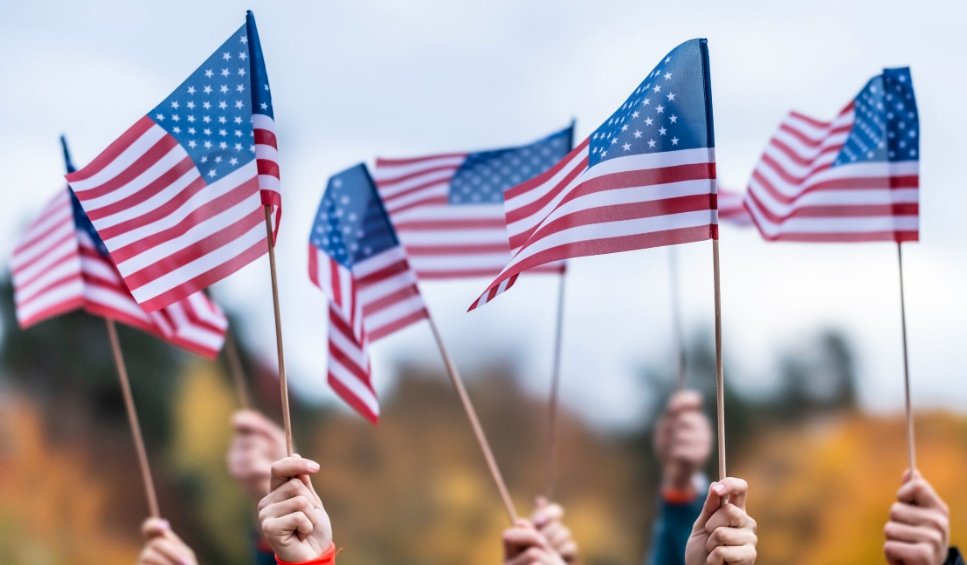
In Grand Junction, Colorado, a community gathered on September 2, 2025, to mark International Overdose Awareness Day with a poignant flag display at Lincoln Park. Organized by Intermountain Health and the Mesa County Opioid Response Group, the event featured 1,603 flags, each symbolizing a life lost to drug overdose in Colorado during 2024, including 34 from Mesa County alone.
This memorial not only remembered the victims but also aimed to reduce stigma around addiction and spark vital conversations about prevention.
Event Highlights Community Unity
Local residents, medical experts, and recovery advocates came together in a show of solidarity. The flag display served as a stark visual reminder of the human toll of the overdose crisis.
Angie Bertrand, executive director of Peer 180 Recovery Community Organization, shared how the flags represent everyday people in the community, like nephews, daughters, or partners. She stressed that the issue hits close to home and affects everyone.
Dr. Ryan Jackman, medical director for the Intermountain Health Grand Junction Integrated Addiction Medicine Clinic, noted the importance of such events in showing that no one faces addiction alone. He pointed out the rally of people in recovery, providers, and those who have lost loved ones.
The gathering included moments of reflection, shared stories, and resources for support, drawing attention to the ongoing battle against substance use disorders.
Overdose Statistics Show Progress and Challenges
Mesa County’s overdose deaths dropped to 34 in 2024 from 43 in 2023, signaling some improvement. However, experts warn that the fight is far from over.
Statewide, Colorado recorded 1,603 overdose deaths in 2024, a figure that underscores the persistent crisis. Nationally, the Centers for Disease Control and Prevention reports over 100,000 overdose deaths annually in recent years, with fentanyl playing a major role.
Dr. Jackman explained that while numbers are declining in some areas, accidental overdoses and poisonings continue to claim too many lives. This event highlighted the need for ongoing awareness and action.
Here are key overdose trends in Colorado:
- Opioid-related deaths remain the leading cause, often involving fentanyl.
- Rural areas like Mesa County face unique challenges with access to treatment.
- Prevention efforts, such as naloxone distribution, have saved lives but need wider reach.
Broader Impact of the Overdose Crisis
The event ties into a national conversation about drug overdoses, which have surged due to synthetic opioids. In 2024, fentanyl contributed to about 70 percent of U.S. overdose deaths, according to health officials.
Communities across the country held similar memorials on or around August 31, the official International Overdose Awareness Day. For instance, events in places like Sheboygan, Wisconsin, and Marion County, Florida, focused on honoring victims and raising funds for recovery services.
In Colorado, the decrease in deaths follows increased harm reduction strategies, including better access to treatment clinics and community education. Yet, experts call for more funding and policy changes to address root causes like mental health issues and economic pressures.
This memorial in Grand Junction reflects a growing movement to treat addiction as a health issue, not a moral failing.
Prevention Strategies and Resources
Communities can take practical steps to combat overdoses. Education on safe drug use, carrying naloxone, and seeking help early are crucial.
Local organizations like Peer 180 offer peer support and recovery programs. Intermountain Health provides integrated care for addiction medicine.
| Resource | Description | How to Access |
|---|---|---|
| Naloxone Kits | Free reversal medication for opioid overdoses | Available at local pharmacies or health departments |
| Recovery Hotlines | 24/7 support for substance use issues | Call 1-800-662-HELP (national line) |
| Local Clinics | Addiction treatment and counseling | Contact Intermountain Health in Grand Junction |
| Awareness Events | Community gatherings for education | Check local health group calendars |
These tools empower individuals and families to act before it’s too late.
Looking Ahead to Reduce Overdoses
As overdose rates show signs of stabilizing, events like this one inspire hope. Continued collaboration between health providers, advocates, and residents is key to saving lives.
Nationwide efforts, including recent federal funding for opioid response, aim to build on this progress. In Colorado, initiatives focus on expanding access to medication-assisted treatment and reducing fentanyl supply.
Share your thoughts on this story or your own experiences with overdose awareness in the comments below. If it moved you, pass it along to friends and family to help spread the word and support those affected.