
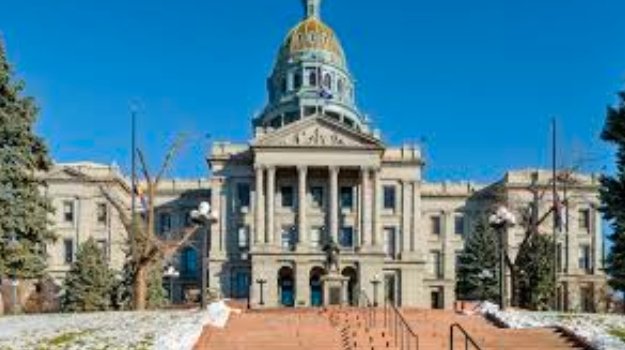
Colorado Governor Jared Polis signed a bill into law on August 27, 2025, that restores state Medicaid funding for Planned Parenthood clinics amid federal cuts. The move, part of a special legislative session, sparked mixed reactions from state representatives, highlighting a divide over healthcare access and resource allocation in rural areas.
Bill Aims to Fill Federal Funding Gap
Lawmakers passed Senate Bill 25B-002 during a quick special session to address a massive budget shortfall caused by federal changes. The bill uses state money to cover Medicaid reimbursements for reproductive health providers like Planned Parenthood, which lost federal support under the One Big Beautiful Bill signed by President Trump earlier in 2025.
This federal law blocked Medicaid patients from using Planned Parenthood for any care, leading to canceled appointments and service disruptions. Colorado officials estimate the state could lose up to $2.5 billion yearly in federal Medicaid funds, prompting urgent action.
The special session also tackled other issues, such as protecting SNAP benefits, showing a broader effort to shield safety-net programs. Polis praised the bill for ensuring continuity of care, especially in underserved areas.
Supporters argue it’s vital for thousands who rely on these clinics. Without it, many low-income residents might face long waits or travel far for basic health services.
Supporters Highlight Essential Services
Representative Jennifer Bacon, from Colorado’s 7th District and Assistant Majority Leader, strongly backed the bill. She pointed out that Planned Parenthood serves as the only Medicaid provider in some counties, helping tens of thousands.
Bacon stressed that 90% of visits are for non-abortion services like cancer screenings and prenatal care. “Imagine someone eight months pregnant or in the middle of cancer treatment,” she said. “We had to act for that continuity of care.”
Other Democrats echoed this view, noting the clinics’ role in rural and urban health. Senate sponsor Jeff Bridges called Planned Parenthood an “essential piece” of Colorado’s system.
The bill’s passage came after a federal judge temporarily blocked some cuts in July 2025, giving states time to respond. Colorado joined lawsuits against the Trump administration, joining efforts in states like New Mexico and California.
Opponents Raise Rural Equity Concerns
Not everyone agreed with the funding shift. Representative Dusty Johnson, from Colorado’s 63rd District, argued the bill favors urban areas over rural ones. He noted only one or two Planned Parenthood sites exist in truly rural spots, while many counties lack maternity services altogether.
Johnson suggested spreading funds to 62 rural health clinics and 32 critical access hospitals instead. “We’re overlooking real maternity deserts in rural Colorado,” he said.
Republican critics worry the bill sets a precedent for state money going to controversial providers. They point to recent incidents, like a botched abortion case, as reasons to question the focus on Planned Parenthood.
Debate in the House showed partisan lines, with Democrats pushing for quick passage and Republicans calling for broader distribution.
Impacts on Colorado Communities
The funding restoration affects about 10,000 Medicaid patients who use Planned Parenthood yearly. Without it, clinics warned of closures or reduced hours, especially in areas with few options.
Here’s a quick look at key stats on Colorado’s healthcare landscape:
- Medicaid Users Impacted: Around 10,000 rely on Planned Parenthood for primary care.
- Rural Clinics: 62 rural health centers and 32 critical access hospitals could compete for similar funds.
- Service Breakdown: 90% of visits for non-abortion care, including screenings and family planning.
- Budget Hit: State faces $1.2 billion deficit from federal cuts, with Medicaid losing up to $2.5 billion annually.
These numbers show the high stakes. In Grand Junction and other western areas, patients have already felt the pinch from earlier restrictions.
Advocates say the bill prevents a healthcare crisis, while critics fear it drains resources from other needy spots.
Broader National Context and Future Outlook
This Colorado bill fits into a national fight over reproductive health funding. Senators like Ben Ray Luján and Patty Murray introduced federal bills to restore Planned Parenthood access, but they face uphill battles in a divided Congress.
States like California are pushing similar measures, with lawmakers there aiming to reverse clinic closures. Colorado’s action could inspire others facing federal shortfalls.
Experts predict ongoing legal battles, as groups sue over the One Big Beautiful Bill’s impacts. For now, the state funding provides a lifeline, but long-term solutions remain unclear.
As debates continue, residents watch how these changes affect daily access to care.
What do you think about this funding decision? Share your thoughts in the comments below and spread the word to keep the conversation going.