A new seatbelt campaign in Colorado isn’t just talking numbers — it’s tugging on heartstrings.
The Colorado Department of Transportation (CDOT) kicked off a statewide campaign this week aimed at reminding people they’re not driving alone — even when they are. With posters in public venues, an emotional message, and a social media blitz, the “Buckle Up — Someone Needs You” campaign is looking Coloradans straight in the eye and saying: you matter.
And it comes at a grim time. The state’s seeing a rising toll of people dying unbuckled in car crashes — 82 so far this year alone.
It’s Not About Statistics Anymore — It’s About People
This isn’t your usual “Click It or Ticket” billboard with bold red letters and fear tactics. CDOT is shifting gears. The new messaging leans into the personal.
“Choosing not to wear a seat belt can impact far more than you alone,” said Darrell Lingk, director of CDOT’s Office of Transportation Safety. “When someone loses their life in a crash, everyone who knows them is affected.”
That ripple effect is front and center. Friends, spouses, kids, even pets — the campaign is asking drivers to picture the faces waiting for them at home.
It’s a gut punch. And that’s the point.
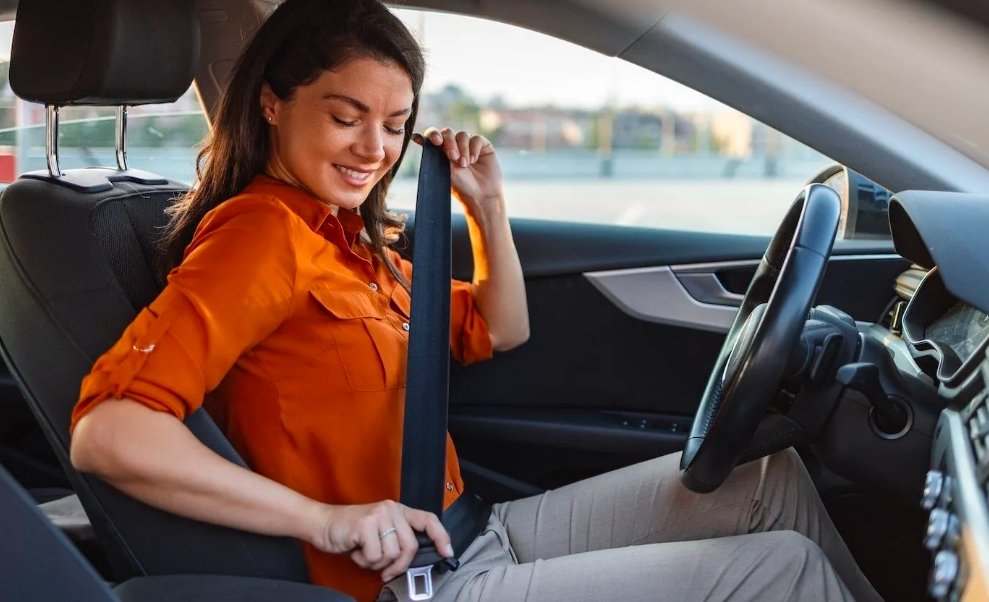
Posters, Social Media, and Public Spaces Join Forces
More than 50 venues across Colorado are teaming up with CDOT to plaster emotional poster messages in places people can’t ignore. Think libraries, rec centers, and even local breweries.
Social media isn’t sitting this one out either.
-
CDOT is rolling out campaign graphics and videos with personal stories
-
Platforms include Facebook, Instagram, Twitter, and TikTok
-
The messaging taps into the psychology of personal responsibility, not punishment
There’s a shift here — less enforcement, more empathy. But make no mistake, the timing is strategic.
Click It or Else: Law Enforcement’s Timing Isn’t Coincidental
While the message may be emotional, enforcement is still on the table. The campaign launch dovetails with Colorado State Patrol’s latest Click It or Ticket period — running from July 21 through August 1.
Col. Matthew C. Packard, the State Patrol’s chief, didn’t mince words.
“It takes three to four seconds to put on a seat belt,” he said. “You are worth the time, and you are making the choice to protect your life.”
And that choice, officials say, could be the difference between walking away or becoming a statistic.
Just last year, Colorado reported over 230 fatalities involving unbuckled occupants. That’s nearly half of all crash deaths.
A Closer Look at the Numbers — And the Gaps
The numbers paint a brutal picture, and while CDOT’s trying to make it personal, data still tells a story.
Here’s a breakdown of unbuckled fatalities in Colorado over the past three years:
| Year | Unbuckled Fatalities | % of Total Traffic Deaths |
|---|---|---|
| 2022 | 232 | 49% |
| 2023 | 217 | 45% |
| 2024 | 202 (est.) | 43% |
| 2025 (YTD) | 82 | – |
In rural areas, the numbers are even worse. Some counties report seatbelt usage rates as low as 68%, well below the national average of 91%.
That’s not just a number gap. That’s a tragedy waiting to happen.
Who’s Not Buckling Up? The Problem Isn’t Evenly Spread
Not everyone is skipping the seatbelt equally. Young men, rural drivers, pickup truck users — these groups are consistently overrepresented in fatal crashes involving no restraints.
One-sentence pause here.
And it’s not because they don’t know better. Surveys show 95% of Coloradans acknowledge seatbelts save lives.
So why skip it?
Experts cite a mix of overconfidence, short-distance driving, and yes — plain old forgetfulness. CDOT’s latest campaign tries to cut through that noise with one message: someone needs you to come home.
Why This Time Might Feel Different
There’s something quieter but more urgent about this campaign. It doesn’t shout. It doesn’t scold. It speaks like a friend — or maybe a kid in the backseat.
And that tone might be its greatest strength.
Unlike past efforts focused on citations and fines, this campaign is stepping into emotional territory. CDOT’s leaning on psychology and behavioral science, tapping into the powerful motivator of personal connection.
That’s a gamble.
But as traffic deaths hold steady and enforcement-only strategies show signs of plateauing, officials are banking on empathy being the last mile.