As winter storms hit Colorado hard in early 2026, the Colorado State Patrol has rolled out fresh safety tips to help drivers and pedestrians stay safe on snowy roads and sidewalks. These guidelines come amid reports of rising crashes, including 94 incidents involving pedestrians and cyclists last season that led to 12 deaths, urging everyone to prepare for blowing snow, ice, and shorter days.
Why Winter Safety Matters in Colorado
Colorado’s winter weather turns roads into danger zones with sudden snowfalls and black ice. Officials point out that shorter daylight hours cut visibility, raising crash risks for both vehicles and people on foot.
Data from recent years shows a spike in accidents during winter months. For instance, blowing snow and poor visibility contributed to many preventable crashes. The Colorado Department of Transportation stresses that proper preparation can save lives, especially on highways where conditions change fast.
Experts say drivers often underestimate how ice affects stopping distances. Pedestrians face similar threats, with low light making them hard to spot. This year, with forecasts predicting heavier snow in areas like the Rockies, these tips aim to cut down on emergencies.
Top Driving Tips from State Patrol
The Colorado State Patrol urges motorists to slow down and adjust habits for winter conditions. Speeding on ice can lead to reckless driving charges if it causes an accident.
Key advice includes checking vehicle readiness before heading out. Tires with good tread are vital under state traction laws, which require chains or snow tires in bad weather.
Here are some essential driving tips shared by patrol officers:
- Reduce speed below posted limits on snow or ice to maintain control.
- Increase following distance to at least eight seconds behind the vehicle ahead.
- Clear all snow from windows, lights, and the roof to avoid hazards for others.
- Use headlights even during the day for better visibility in blowing snow.
- Avoid sudden braking; instead, ease off the accelerator to slow down gradually.
Patrol leaders also warn against distractions like phones, which worsen in low visibility. They recommend planning trips around weather apps and road updates to dodge closures.
In one recent case, a stalled vehicle in a snowstorm highlighted the need to stay inside and clear exhaust pipes to prevent carbon monoxide buildup.
Pedestrian Safety Guidelines to Follow
Pedestrians must take extra steps to stay visible and safe during Colorado winters. The state patrol reports that many crashes happen because drivers cannot see walkers in dark or stormy conditions.
Sergeant Ivan Alvarado from the patrol’s public affairs team notes that eye contact with drivers before crossing is crucial. He advises walkers to assume vehicles might not stop, even at crosswalks.
Practical tips focus on clothing and behavior. Reflective gear can make a big difference at dawn or dusk when days are short.
Pedestrians should stick to sidewalks and avoid walking on roadways if possible. In rural areas, facing traffic while walking helps spot oncoming cars.
Recent alerts emphasize using marked crosswalks and waiting for a clear path. With 12 fatalities last winter tied to pedestrian incidents, these habits could prevent tragedies.
Preparing Your Vehicle for Winter Emergencies
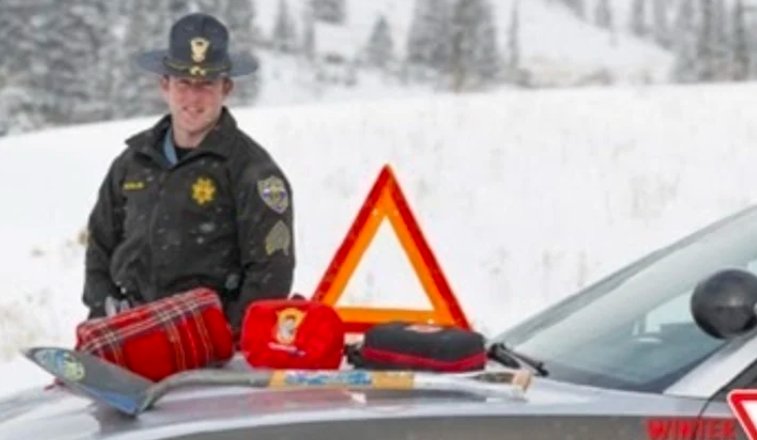
Getting your car ready for Colorado’s harsh winters is a smart move. The patrol suggests packing an emergency kit and performing maintenance checks.
A well stocked kit can turn a bad situation around if you get stranded. Officials recommend including items that handle cold and isolation.
| Item | Purpose | Why It’s Essential |
|---|---|---|
| Blankets or sleeping bags | Provide warmth | Prevents hypothermia in freezing temps |
| Flashlight with extra batteries | Light in the dark | Helps signal for help or see at night |
| Non perishable food and water | Sustain energy | Keeps you going if stuck for hours |
| First aid kit | Treat minor injuries | Handles cuts or sprains from slips |
| Ice scraper and shovel | Clear snow | Digs out tires or paths if buried |
| Jumper cables | Restart battery | Cold drains power; revives dead engines |
Beyond the kit, check antifreeze levels and battery health. The Colorado Department of Transportation advises testing brakes and ensuring wipers work well.
For those new to the state, understanding chain laws is key. Passenger vehicles must follow rules on certain passes during storms to avoid fines.
Expert Advice and Real Life Lessons
Troopers share stories from the field to drive home these points. One officer described a recent storm where drivers ignoring speed advice ended up in ditches.
Governor Jared Polis echoed this in a recent statement, reminding Coloradans to drive sober and stay alert. He tied it to broader winter readiness, like keeping cars fueled.
National trends show similar issues, with highway patrols in states like Ohio issuing parallel warnings. In Colorado, the focus remains on local challenges, such as mountain passes prone to avalanches.
These tips build on years of data, showing that simple changes like slowing down cut crash rates by up to 30 percent in bad weather.
Staying Safe Amid Changing Weather Patterns
Climate shifts have made Colorado winters more unpredictable, with sudden thaws followed by deep freezes. This year, early January storms have already closed roads, prompting more emphasis on preparation.
Patrol teams work with local news to spread the word, aiming to reach tourists and residents alike. They note that even experienced drivers slip up without caution.
For families, teaching kids these rules early helps build safe habits. Community events often cover pedestrian awareness, tying into school programs.
As winter progresses, keep an eye on updates from official channels. Staying informed ensures you adapt to new conditions.
Share this article with friends and family to spread these vital tips, and drop a comment below on your own winter safety strategies. Your input could help others stay safe.