Wildfires continue to scorch parts of Colorado as the 2025 fire season intensifies. The Derby Fire in Eagle County has exploded to over 5,000 acres and stays fully uncontained, forcing evacuations and challenging firefighters amid hot, dry weather.
Derby Fire Sparks Urgent Evacuations
The Derby Fire ignited from a lightning strike on August 16 near Dotsero in Eagle County. It has grown rapidly to an estimated 5,248 acres by August 25, with zero percent containment despite round the clock efforts.
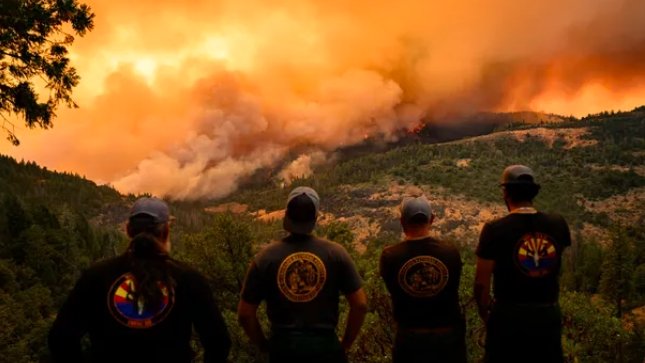
Crews face tough terrain and gusty winds that push the flames south toward Sweetwater Lake. Officials report at least one structure lost in the Sugarloaf Mountain area, and evacuations remain in place for nearby communities in Eagle and Garfield counties.
Air quality warnings have spread due to thick smoke, affecting health in surrounding areas. Residents describe the scene as chaotic, with helicopters dipping into lakes for water drops to battle the blaze.
Recent rains in other parts of the state have helped some fires, but this one shows no signs of slowing without major weather shifts.
Key Updates on Other Colorado Blazes
Colorado battles multiple wildfires this summer, each with unique challenges and progress. Fire officials track them closely, providing daily briefs to keep the public informed.
The Stoner Mesa Fire in the southwest has burned 10,233 acres and reached 41 percent containment. Crews use dozers to build lines around it.
In contrast, the Lee Fire covers a massive 137,758 acres but stands at 86 percent contained. A debris flow blocked County Road 5, prompting warnings to avoid the area for safety.
The Crosho Fire has scorched 2,073 acres, with containment jumping to 81 percent overnight thanks to coordinated ground attacks.
Meanwhile, the Turner Gulch Fire spans 31,699 acres and benefits from heavy rain, boosting containment to 96 percent.
These fires highlight the varied impacts of weather and terrain across the state.
Impacts on Local Communities and Economy
Wildfires disrupt daily life for thousands in Colorado. Evacuation orders for the Derby Fire have displaced families, with shelters set up in nearby towns.
Road closures, like those on Piceance Creek Road, slow travel and hurt local businesses. Ranchers worry about livestock in remote areas, and tourism takes a hit as popular spots near Sweetwater Lake shut down.
Smoke from these blazes lowers air quality, leading to health alerts. Experts note that poor air can worsen breathing issues, especially for kids and the elderly.
On the economic side, firefighting costs soar into millions, straining state resources. Past seasons, like the destructive 2020 fires, show how recovery can take years and reshape landscapes.
Communities rally with donations and volunteer help, showing resilience in the face of these natural threats.
Here is a quick summary of the major active wildfires:
| Fire Name | Acres Burned | Containment Percentage | Location |
|---|---|---|---|
| Derby Fire | 5,248 | 0% | Eagle County |
| Stoner Mesa Fire | 10,233 | 41% | Southwest Colorado |
| Lee Fire | 137,758 | 86% | Rio Blanco County |
| Crosho Fire | 2,073 | 81% | Western Colorado |
| Turner Gulch Fire | 31,699 | 96% | Northern Colorado |
This table captures the latest sizes and status as of August 25.
Firefighting Strategies and Heroic Efforts
Teams from across the nation join local firefighters to combat these blazes. For the Derby Fire, the Northern Rockies Complex Incident Management Team leads operations, using helicopters and ground crews to create firebreaks.
Strategies include controlled burns to remove fuel and direct attacks where safe. Rainfall aided the Turner Gulch Fire, allowing crews to mop up hot spots quickly.
Challenges persist with dry fuels and unpredictable winds. Officials stress the importance of public cooperation, like obeying road closures, to keep everyone safe.
In related events, a helicopter responding to the Derby Fire ended up in a lake last week, but no injuries occurred. Such incidents underscore the risks firefighters face daily.
Advances in technology, like drone mapping, help track fire spread and plan better responses.
Weather Forecast and Prevention Tips
Hot, dry conditions fuel these wildfires, but forecasts predict possible rain in some areas by mid week. This could help containment efforts, especially for uncontained fires like Derby.
Experts link the intense season to climate patterns, with drier winters leaving more dead vegetation as fuel. Colorado has seen similar spikes in past years, prompting calls for better forest management.
To stay safe, residents should prepare go bags with essentials and monitor alerts from local authorities.
Here are some key prevention tips:
- Clear dry brush around homes to create defensible space.
- Avoid outdoor burning during high fire danger periods.
- Report any smoke sightings immediately to authorities.
- Stay informed through apps and official wildfire trackers.
These steps can reduce risks and protect properties.
Looking Ahead: Recovery and Lessons Learned
As fires burn on, focus shifts to long term recovery. Affected areas will need rebuilding support, from homes to ecosystems.
State officials plan to review this season for improvements, like enhanced early warning systems. Community stories of survival inspire hope amid the destruction.
Share your thoughts on these wildfires or how they affect you in the comments below. Spread the word by sharing this article to keep others informed and safe.