Firefighters across Colorado are battling multiple large wildfires as cooler weather provides some relief, but challenges remain with potential flash floods and ongoing containment efforts. As of August 30, 2025, key blazes including the Derby Fire, Stoner Mesa Fire, Lee Fire, and Turner Gulch Fire have scorched hundreds of thousands of acres, prompting evacuations and road closures in affected counties.
Derby Fire Grows Slightly in Eagle County
The Derby Fire, burning north of Dotsero in Eagle County, has expanded to 5,735 acres with only 5 percent containment. Crews reported minor growth overnight due to persistent dry fuels, but recent rains have helped slow its spread.
Fire officials note that aircraft drops and ground teams are focusing on building containment lines on the western edge. No structures have been lost so far, but several roads remain closed for safety.
Residents in nearby areas should stay alert for changing conditions, as winds could shift and increase fire activity.
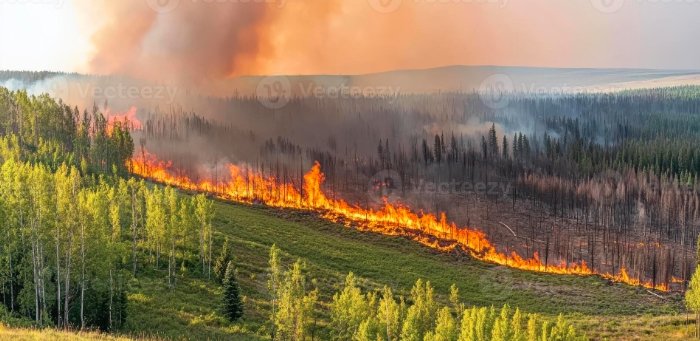
Stoner Mesa Fire Holds Steady in Dolores County
In Dolores County, the Stoner Mesa Fire has consumed 10,249 acres and stands at 43 percent containment. Cooler temperatures have aided firefighters in strengthening lines around the blaze.
Efforts include mopping up hot spots and monitoring for flare-ups. A red flag warning was issued earlier this week, highlighting risks from low humidity and gusty winds.
Local communities have seen some evacuations lifted, but officials urge caution due to smoke impacts on air quality.
The fire started in mid-August and has challenged crews with rugged terrain.
Lee Fire Nears Full Containment in Rio Blanco County
The massive Lee Fire in Rio Blanco County has burned 137,758 acres and reached 90 percent containment, a significant milestone after weeks of intense firefighting. Rainfall has been key in dampening flames, though it brings risks of flash flooding in burn scars.
Recovery efforts are underway, with state emergency management supporting affected residents. No new growth has been reported in recent days.
This blaze, one of the largest this season, destroyed several structures and forced widespread evacuations earlier in the month.
Fire teams are now shifting focus to rehabilitation, including erosion control to prevent further damage.
Here is a quick overview of the Lee Fire’s impact:
- Acres burned: 137,758
- Containment: 90 percent
- Start date: August 3, 2025
- Structures lost: At least 6 homes and outbuildings
Turner Gulch Fire Under Control in Western Colorado
The Turner Gulch Fire has scorched 31,699 acres and is 96 percent contained, with no recent updates on new activity. Firefighters have made strong progress, thanks to favorable weather patterns.
Crews are patrolling the perimeter to ensure no re-ignitions occur. The fire, located in a remote area, has not threatened major population centers.
Officials expect full containment soon, allowing resources to shift to other active fires.
Overall Impact and Weather Outlook
Colorado’s 2025 wildfire season has been severe, with over 190,000 acres burned statewide from these and other fires. Factors like drought and lightning strikes have fueled the outbreaks, echoing patterns seen in previous years such as the 2020 blazes that devastated communities.
Experts warn that while cooler weather helps, the risk of new starts remains high until significant moisture arrives. Air quality has suffered in many regions, affecting health and visibility.
| Fire Name | Acres Burned | Containment Percentage | County |
|---|---|---|---|
| Derby Fire | 5,735 | 5% | Eagle |
| Stoner Mesa Fire | 10,249 | 43% | Dolores |
| Lee Fire | 137,758 | 90% | Rio Blanco |
| Turner Gulch Fire | 31,699 | 96% | Western Colorado |
Safety Tips and Community Response
Communities are rallying with support for firefighters and evacuees. Volunteers have set up donation centers for supplies like water and food.
To stay safe:
- Monitor local alerts for evacuation orders.
- Prepare go-bags with essentials like medications and documents.
- Avoid areas with active fires to prevent accidents.
- Check air quality reports before outdoor activities.
State and federal agencies are coordinating responses, drawing lessons from past events like the Marshall Fire in 2021, which highlighted the need for better preparedness.
As these wildfires continue to evolve, share this article with friends and family to spread awareness, and leave a comment below on how these events are affecting your area. Your input helps build a stronger community response.