
Attorneys for Richard Allen, convicted in the 2017 Delphi murders of two teenage girls, have secured more time to file their appeal. The Indiana Court of Appeals granted a final extension until October 6, 2025, after lawyers cited challenges in reviewing evidence and meeting with their client.
Background on the Delphi Murders Case
The case began in February 2017 when Abigail Williams, 13, and Liberty German, 14, vanished while hiking near the Monon High Bridge in Delphi, Indiana. Their bodies were found the next day, sparking a massive investigation that lasted years.
Richard Allen, a local resident, was arrested in October 2022. He worked at a pharmacy in Delphi and had been interviewed early in the probe but was not considered a suspect until later. A jury convicted him in November 2024 on all charges, including murder and kidnapping. Special Judge Fran Gull sentenced him to 130 years in prison, the maximum term.
Prosecutors presented evidence like a video from German’s phone showing a man on the bridge, along with a bullet from Allen’s gun found at the scene. The defense argued Allen’s confessions came under duress during harsh prison conditions.
The case drew national attention due to the girls’ young ages and the long wait for justice. Families of the victims expressed relief at the verdict but continue to seek closure.
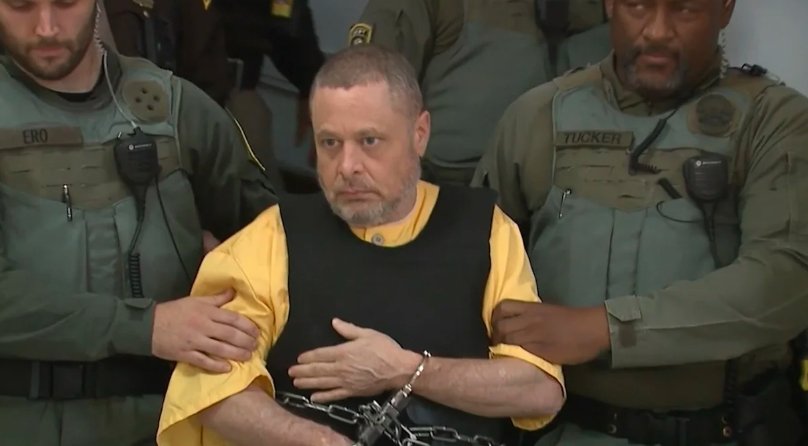
Reasons for the Appeal Extension Request
Allen’s legal team filed for the extension on August 28, 2025, just before a September deadline. They explained the massive volume of trial records, including thousands of pages of transcripts and exhibits, made it hard to prepare.
A key issue was Allen’s transfer to a prison in Oklahoma. This move, meant for safety reasons, limited access to him. Lawyers said they met with Allen only once since the transfer, slowing their work.
The team also noted the need to review new details that emerged after the trial. They aim to challenge aspects like evidence handling and jury instructions.
In their motion, attorneys stressed that rushing the appeal could harm Allen’s right to a fair review. The court agreed but called this the final delay.
Timeline of Key Events in the Case
To help readers follow the developments, here is a clear timeline of major milestones:
| Date | Event |
|---|---|
| February 13, 2017 | Abby Williams and Libby German go missing while hiking in Delphi. |
| February 14, 2017 | Bodies of the girls are discovered near the trail. |
| October 2022 | Richard Allen is arrested and charged with the murders. |
| October 2024 | Trial begins in Carroll County, Indiana. |
| November 2024 | Jury finds Allen guilty on all counts. |
| December 2024 | Allen receives a 130-year prison sentence. |
| August 2025 | Attorneys request first appeal extension. |
| September 2025 | Court grants final extension to October 6. |
This table shows how the case unfolded over eight years, highlighting the recent appeal steps.
Potential Grounds for Appeal
Experts say appeals in murder cases often focus on trial errors that might have swayed the jury. For Allen, possible arguments include claims that some confessions were coerced due to his mental health during solitary confinement.
Defense lawyers have pointed to conditions at Westville Correctional Facility, where Allen was held before trial. Reports described small cells and limited contact, which they say affected his state of mind.
Another angle could involve evidence disputes. The full video from German’s phone leaked online in March 2025, just as the appeal process started. Lawyers might argue this impacted public perception or trial fairness.
Legal analysts note that while appeals rarely overturn convictions, they can lead to reduced sentences or new trials if major issues are found. The Indiana Court of Appeals will review the brief once filed.
Families of the victims have mixed feelings. Some expressed frustration over delays, hoping for finality after years of pain.
Impact on Victims’ Families and Community
The Delphi community still feels the murders’ effects. Memorials for Abby and Libby stand as reminders, and locals hold events to honor them.
Family members have spoken out about the appeal. They wish Allen would drop it, focusing instead on healing. One relative said the process reopens old wounds but they trust the justice system.
Broader discussions on prison transfers and appeal timelines have arisen. Some advocates call for better access for inmates and lawyers in such cases.
- Families push for victim support programs amid long legal battles.
- Community groups offer counseling for those affected by similar crimes.
- Legal reforms could address delays in high-profile appeals.
These points show ongoing needs beyond the courtroom.
What Happens Next in the Appeal Process
Once the brief is filed by October 6, the state will respond within 30 days. Oral arguments might follow, with a decision possibly by early 2026.
If the appeal fails, Allen could take it to the Indiana Supreme Court or federal level, but chances slim. He remains in Oklahoma prison during this time.
This extension marks the last delay, pushing the case forward after months of preparation. Observers watch closely, as it could set precedents for similar convictions.
Share your thoughts on this case in the comments below, and pass this article to others interested in true crime updates.