
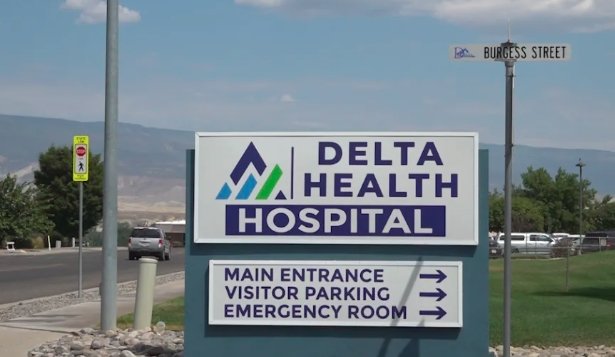
Delta Health in Colorado has decided to shut down its labor and delivery unit starting September 19, 2025, leaving local families worried about access to care. Community members, including hospital staff, have voiced strong opposition, calling the move sudden and poorly planned.
Hospital Announces Temporary Shutdown
Delta Health leaders made the announcement in late August 2025, citing key challenges in keeping the unit running. The closure affects the facility known as Stork’s Landing, which has served the area for years.
CEO Jon Cohee explained that the decision came after careful review. He pointed to ongoing issues that made operations hard to sustain.
The hospital plans to keep other services open. Prenatal checkups and care after birth will still be available on site.
This move follows a trend seen in many rural areas across the United States. Hospitals face tough choices when resources run low.
Reasons for the Closure
A drop in local births played a big role in the choice. In 2024, about 61 percent of Delta County residents chose to deliver babies outside the county.
Staffing shortages added to the problem. Finding enough doctors and nurses for round-the-clock coverage proved difficult.
Financial pressures also factored in. Running a small unit with few patients costs more than it brings in.
Cohee stressed that the shutdown is temporary. The hospital aims to reopen once they solve these issues.
Experts note similar closures nationwide. Over 200 rural hospitals have closed units or shut down entirely since 2010, according to health reports.
Community Pushes Back Strongly
Residents reacted with shock and anger right away. Many felt left out of the decision process.
A petition quickly gained support online. It calls on the hospital board to rethink the plan and highlights the unit’s value to families.
Local media covered town meetings where people shared stories. One resident described the care as family-like, not just medical.
Social media buzzed with posts from concerned parents. They worried about longer drives to other hospitals during emergencies.
- “This came out of nowhere,” said one community member in a recent interview.
- “We need voices from those affected most,” added a hospital worker.
- “Doctors here go above and beyond for patients,” shared another local.
These reactions show deep ties to the unit. People value the personal touch it provides.
Protests and discussions continue as the closure date nears. Groups plan to meet with hospital leaders soon.
Impact on Local Families and Care
The shutdown means expectant mothers must travel farther for deliveries. The nearest options are in Grand Junction or Montrose, about an hour away.
This raises safety concerns, especially in bad weather or at night. Rural roads can make quick trips risky.
Emergency rooms at Delta Health lack full training for births. Staff worry about handling unexpected deliveries without the unit.
For many, the change disrupts plans. Some pregnant women now scramble to find new providers.
Health experts warn of broader effects. Closures like this can lead to higher risks for mothers and babies in underserved areas.
| Key Impacts | Details |
|---|---|
| Travel Distance | Up to 60 miles to next hospital |
| Service Gaps | No on-site deliveries after September 19 |
| Affected Groups | Expectant mothers, families, staff |
| Potential Risks | Delays in emergency care |
Communities in similar situations have seen birth rates drop further. Access to care becomes a bigger barrier.
Broader Trends in Rural Health Care
This case fits a national pattern of shrinking services in small towns. Staffing crises and low patient numbers force hard decisions.
In 2025 alone, several hospitals in states like California and Texas closed maternity units. Reasons often mirror those at Delta Health.
Policy changes aim to help. Federal programs offer funds to keep rural facilities open, but gaps remain.
Advocates push for better recruitment of health workers. Training programs and incentives could ease shortages.
Looking ahead, Delta Health seeks solutions. They plan to monitor birth trends and provider availability.
What do you think about this closure? Share your thoughts in the comments below or spread the word to raise awareness.