
A lightning strike on August 16, 2025, ignited the Derby Fire on a steep cliff in a remote area of Eagle County, Colorado, about 15 miles north of Dotsero. The blaze has grown rapidly to nearly 850 acres, prompting mandatory evacuations in nearby communities like Sweetwater and forcing firefighters to prioritize home protection amid challenging terrain and overnight winds.
Fire Starts and Spreads Quickly
The Derby Fire began when lightning hit a rugged cliff face, making early containment tough for crews. Smokejumpers tried to stop it on August 17, but rolling debris spread the flames downhill.
By August 20, the fire had doubled in size overnight due to strong evening winds. This growth pushed it toward populated areas, changing the response strategy. Officials noted the remote location lacked road access at first, complicating efforts.
Fire experts explained that dry conditions and steep slopes fueled the rapid expansion. Winds picked up in the evenings, carrying embers and intensifying the blaze.
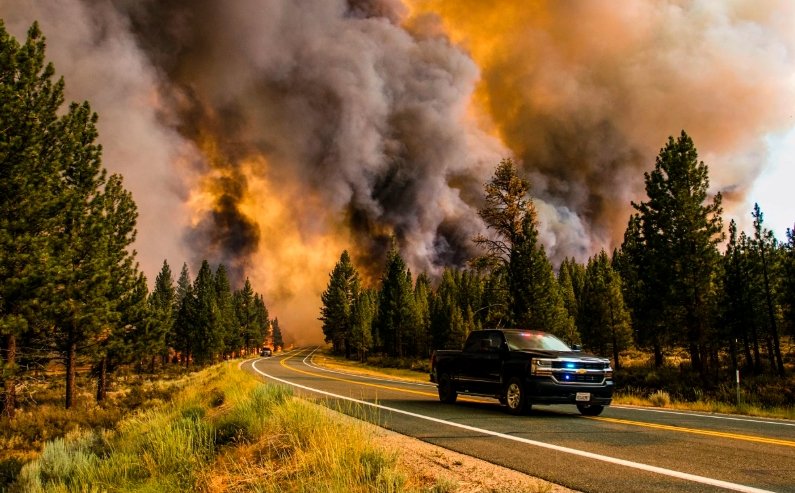
Evacuation Orders Issued for Safety
Mandatory evacuations started on August 20 for several zones in Eagle and Garfield counties. Residents in affected areas had to leave quickly as the fire advanced.
Key areas under orders include:
- Sweetwater Road and nearby sections.
- Parts of Colorado River Road from Sweetwater to Red Dirt Creek.
- Derby Mesa Loop, which stayed in pre-evacuation status initially but faced upgrades.
These steps aimed to protect lives and allow firefighters room to work. Local authorities used alerts to warn people, urging them to grab essentials and head to safe spots.
Some residents reported seeing smoke and flames close to homes, heightening anxiety. Pre-evacuation notices went out earlier for northwest Eagle County, giving folks time to prepare.
Communities like Sweetwater felt the direct impact, with the fire reaching their edges. Officials stressed that staying put could be dangerous due to shifting winds.
Firefighters Take Command and Fight Back
The Northern Rockies Complex Incident Management Team 3 assumed control on August 20, bringing in experienced personnel to handle the situation. This team has dealt with similar wildfires in the region before.
Crews used helicopters to scout the area and assess options for direct attacks. Ground teams drove to accessible points, focusing on structure protection.
Public information officers highlighted the priority of safeguarding private lands and homes. They mentioned ongoing evaluations for safer ways to engage the fire.
Resources poured in, including aerial support to drop retardant. The team’s expertise helps coordinate efforts amid the tough landscape.
Impact on Local Areas and Economy
The Derby Fire has disrupted life in Eagle and Garfield counties, closing parts of the White River National Forest for safety. This affects hikers, campers, and locals who rely on the land.
Smoke from the blaze has spread, impacting air quality in Grand Junction and beyond. Health officials advise limiting outdoor time, especially for those with breathing issues.
Economically, evacuations hit small communities hard. Businesses in Sweetwater and nearby spots face losses from reduced traffic and closures.
Wider effects include strained resources, as Colorado battles multiple wildfires this summer. Governor Jared Polis visited Grand Junction recently to discuss fire suppression and declared a disaster emergency due to critical weather.
Weather Plays a Key Role in Fire Behavior
Dry conditions and high winds have worsened the Derby Fire, typical for Colorado’s summer fire season. Forecasts show continued risk with possible thunderstorms that could bring more lightning.
Experts track diurnal winds, which strengthen at night and push fires unpredictably. This pattern contributed to the overnight growth.
Recent data shows Colorado has seen several large fires in 2025, including the Lee and Elk Fires near Meeker. These events tie into a broader trend of escalating fire danger from climate shifts.
Fire officials use weather models to predict spread and adjust tactics. They warn that without rain, containment could take days or weeks.
Timeline of Key Events
Understanding the Derby Fire’s progression helps track its development. Here’s a quick table of major milestones:
| Date | Event Description | Impact |
|---|---|---|
| August 16 | Lightning strike starts the fire on a cliff | Initial ignition in remote area |
| August 17 | Smokejumpers attempt containment | Fire spreads due to debris |
| August 19 | Pre-evacuation notices issued | Alerts for Derby Mesa and more |
| August 20 | Fire doubles in size; evacuations ordered | Sweetwater community affected |
| August 21 | Management team assesses growth | Focus on home protection |
This timeline shows how quickly the situation evolved from a small spark to a major threat.
What Happens Next for Containment
Containment efforts continue with a mix of ground and air operations. The management team plans to build fire lines where possible, using natural barriers like rivers.
Community support includes shelters for evacuees and resources for pet care. Officials urge following updates from local sources for the latest.
As the fire season peaks, experts recommend preparedness kits and evacuation plans for all in fire-prone areas.
We encourage readers to share this article with friends in affected areas and comment below with your thoughts or experiences. Staying informed can help everyone stay safe.