
Firefighters in western Colorado have made small gains against the Derby Fire, which has scorched about 5,723 acres near Sweetwater Lake in Eagle and Garfield counties as of August 27, 2025. Recent rains and strategic efforts have boosted containment to 4 percent, allowing some roads to reopen and easing evacuation orders for local residents.
Fire Growth and Current Status
The Derby Fire started in mid-August and has grown steadily due to dry conditions and rugged terrain. Officials report that the blaze remains active but has shown limited spread thanks to cooler weather and moisture from recent storms.
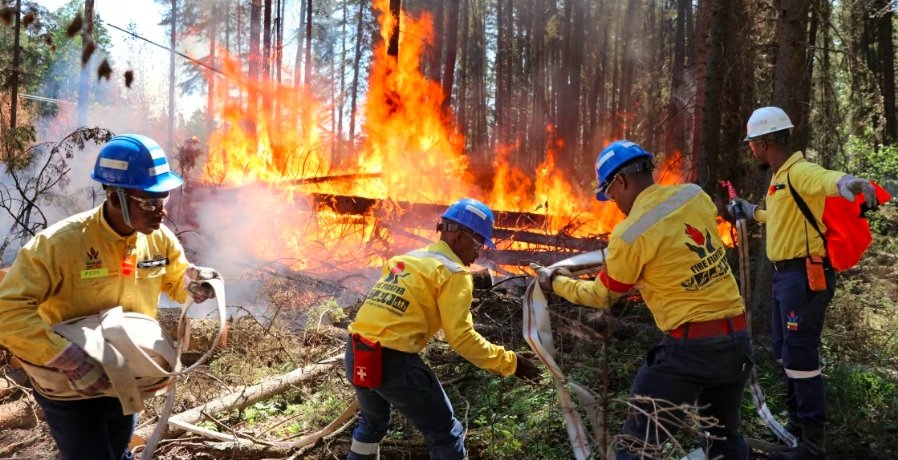
Crews from multiple agencies, including the U.S. Forest Service and local fire departments, are focusing on building containment lines. Mapping updates have refined the fire’s size, confirming it at 5,723 acres. While the fire is only 4 percent contained, progress includes securing key areas to protect nearby communities.
Residents in affected zones have faced evacuations, but some orders have shifted to pre-evacuation status. This change reflects better control over the fire’s edges, though officials warn that wind shifts could reignite threats.
Impact on Local Communities
The fire has disrupted daily life for people in Eagle and Garfield counties. Evacuations began last week, forcing families from homes near Dotsero and Sweetwater Lake. Some structures, including at least one in the Sugarloaf Mountain area, have been lost.
Road closures had blocked access to popular spots, but recent updates bring relief. The Colorado River Road, Sweetwater Road, and Red Dirt Creek Road are now open, helping residents and travelers move freely again.
Local economies feel the strain, with tourism and outdoor activities on hold. Ranchers and homeowners are monitoring air quality, as smoke lingers in valleys. Community meetings in places like Gypsum provide updates and support, drawing crowds eager for news on when normal life can resume.
- Key roads reopened: Colorado River Road, Sweetwater Road, Red Dirt Creek Road.
- Evacuation resources: Check local emergency sites for maps and shelter info.
- Air quality tips: Limit outdoor time and use masks in smoky areas.
Support services include shelters and aid from groups like the Red Cross. Officials urge patience as crews work around the clock.
Weather’s Role in Firefighting Efforts
Rain showers over the past few days have been a game-changer for firefighters. Monsoonal moisture has slowed the fire’s advance, giving teams time to dig in and reinforce lines.
Forecasts predict more rain through the week, which could further aid suppression. However, dry fuels and potential lightning strikes remain concerns. Experts note that while rain helps, full containment often takes weeks in such terrain.
Crews use tools like dozers and helicopters for water drops. This approach has proven effective in similar Colorado fires this season.
Comparison to Other Colorado Wildfires
The Derby Fire is one of several blazes challenging firefighters across the state this summer. Dry weather and high temperatures have fueled multiple incidents, straining resources.
For context, here’s a table summarizing major active and recent fires as of late August 2025:
| Fire Name | Acres Burned | Containment Percentage | Location |
|---|---|---|---|
| Derby Fire | 5,723 | 4% | Eagle/Garfield Counties |
| Lee Fire | 137,758 | 90% | Rio Blanco County |
| Stoner Mesa Fire | 10,249 | 42% | Dolores County |
| Turner Gulch Fire | 31,699 | 96% | Near Grand Junction |
| Crosho Fire | 2,073 | 100% | Southwest Colorado |
These fires highlight a busy season, with the Lee Fire ranking among the largest in state history. Containment varies, but overall progress shows effective response strategies.
Lessons from past events, like the 2020 wildfires that burned over 600,000 acres statewide, guide current tactics. Officials emphasize preparedness, as climate patterns suggest more intense seasons ahead.
Challenges and Future Outlook
Fighting the Derby Fire involves steep hills and dense forests, making access tough for ground crews. Smoke hinders visibility, and changing winds add unpredictability.
Resources have ramped up, with more firefighters and equipment arriving daily. Interagency teams coordinate to maximize efforts, drawing on national support.
Looking ahead, full containment could take time, but steady gains offer hope. Officials aim to prevent spread toward populated areas while restoring public lands.
How Residents Can Stay Safe and Informed
Staying updated is key during wildfire season. Monitor official channels for real-time alerts and avoid restricted zones to keep safe.
Communities can prepare by creating defensible space around homes and having go-bags ready. This proactive step has saved lives in previous fires.
As the situation evolves, share this article with friends and family affected by the Derby Fire. What are your thoughts on wildfire preparedness in Colorado? Drop a comment below to join the discussion.