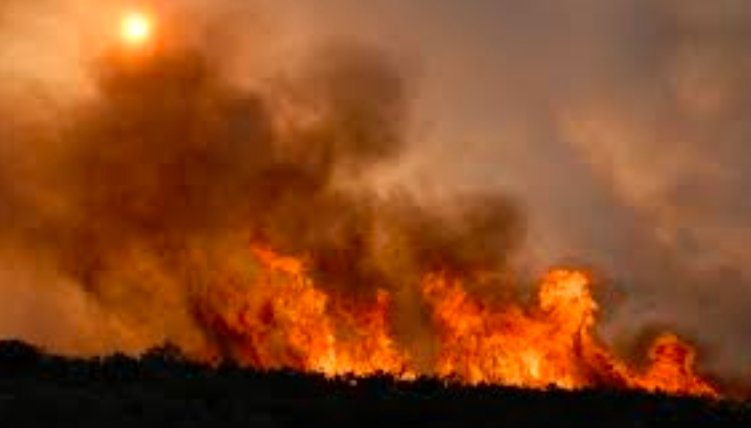
A fast-moving wildfire known as the Derby Fire has scorched 2,625 acres in Eagle and Garfield counties, north of Dotsero, Colorado, with no containment yet as of August 22, 2025. Fire crews battle tough terrain and dry conditions, while evacuations affect rural areas, sparked by lightning last week.
This blaze joins several others burning across the state this summer, raising concerns for residents and wildlife. Officials report growth has slowed, but hot weather keeps the threat high.
Current Status of the Derby Fire
The Derby Fire started on August 16, 2025, from a lightning strike in rugged northwest Eagle County. It doubled in size overnight earlier this week, prompting quick action from firefighters.
As of the latest updates, the fire covers about 2,625 acres and stands at zero percent contained. Crews note that active burning continues in the evenings, but recent efforts have curbed its rapid spread.
Weather plays a big role, with winds and low humidity fueling the flames. Officials expect more challenges ahead if conditions stay dry.
Fire managers from the Northern Rockies Complex Incident Management Team took over on August 20. They focus on building containment lines in steep areas.
Evacuations and Community Impact
Mandatory evacuations hit parts of Eagle County early on, forcing residents from homes near Sugarloaf Mountain and other spots. At least one structure burned in the area, adding to local worries.
Good news came Thursday when officials downgraded some orders to voluntary. This lets people return but stay alert for changes.
The fire threatens remote communities, with shelters set up in nearby towns for those displaced. Roads like those around Sweetwater and Derby Creek remain closed for safety.
Wildlife and natural areas suffer too, with trails shut from Middle Derby Creek to Island Lakes. Residents report thick smoke affecting air quality miles away.
Local economies feel the pinch, as tourism and outdoor activities halt in fire zones. Ranchers move livestock to safer grounds amid the chaos.
Other Major Wildfires Burning in Colorado
Colorado faces a busy fire season in 2025, with multiple blazes stretching resources thin. The Derby Fire is just one piece of a larger picture.
Here’s a quick look at key active fires across the state:
| Fire Name | Location | Acres Burned | Containment Status |
|---|---|---|---|
| Derby Fire | Eagle and Garfield Counties | 2,625 | 0% |
| Stoner Mesa Fire | Dolores County | 9,872 | 27% |
| Lee Fire | Various counties | 137,755 | 73% |
| Crosho Fire | Near Yampa | 2,072 | 24% |
| Turner Gulch Fire | Near Gateway | 31,699 | 80% |
These fires vary in size and progress, but all stem from lightning or dry conditions. The Stoner Mesa Fire, in the San Juan National Forest, has consumed over 9,000 acres with limited control.
The Crosho Fire, just north of Derby, initially forced evacuations but now allows returns under watch. Containment efforts there reach 24 percent.
Larger ones like the Lee Fire show better progress at 73 percent contained, offering hope for full control soon. Officials reopen some lands, like areas north of Highway 141 near Gateway, while keeping others closed.
Firefighting Efforts and Challenges
Hundreds of firefighters work around the clock on the Derby Fire, using dozers and hand crews to cut fire lines. Helicopters drop water, but high winds limit air support at times.
The Northern Rockies team coordinates with local agencies, including the Bureau of Land Management. They aim for indirect containment in hard-to-reach spots.
Challenges include steep terrain and unpredictable weather. Crews face risks from falling trees and sudden fire shifts.
Despite hurdles, progress shows in slowed growth. Experts predict better containment if rains arrive, but forecasts call for continued heat.
This season echoes past years, like the 2020 fires that burned record acres. Climate trends point to longer, more intense seasons ahead.
Safety Tips for Residents and Visitors
Stay informed through official channels like local news and fire apps. Avoid closed areas to prevent accidents and aid crews.
If in a fire zone, prepare an evacuation kit with essentials like water, meds, and documents. Know your escape routes.
- Monitor air quality and limit outdoor time during smoky days.
- Report new smoke or flames right away to authorities.
- Support fire efforts by following road closures and donating to relief funds.
Wildfire smoke can travel far, so even distant folks should check updates. Community vigilance helps everyone stay safe.
As wildfires rage on, share this article with friends and family to spread awareness. Drop a comment below on how these fires affect you, and let’s discuss ways to support affected areas.