Firefighters have made strong progress on the Derby Fire burning northeast of Glenwood Springs in Colorado. As of September 9, 2025, the blaze covers 5,453 acres and stands at 65 percent contained, with no growth reported in the last day thanks to good weather and team efforts.
This wildfire started in late August and has challenged crews in rough terrain. Officials say the fire began from natural causes, likely lightning, and has stayed within Eagle and Garfield counties.
Fire Size and Containment Updates
The Derby Fire first sparked on August 19, 2025, in a remote spot on the White River National Forest. It grew fast at first due to dry conditions and wind, reaching over 1,000 acres in just days.
By early September, rainy weather helped slow it down. The latest maps show the fire perimeter stable, with hot spots mostly under control.
Crews report the blaze at 5,453 acres total. Containment jumped from 42 percent on September 4 to 65 percent now. This progress comes from building fire lines and using aircraft for water drops.
No homes or buildings have burned, but the fire did threaten some areas near Dotsero at its peak.
Firefighting Efforts and Resources
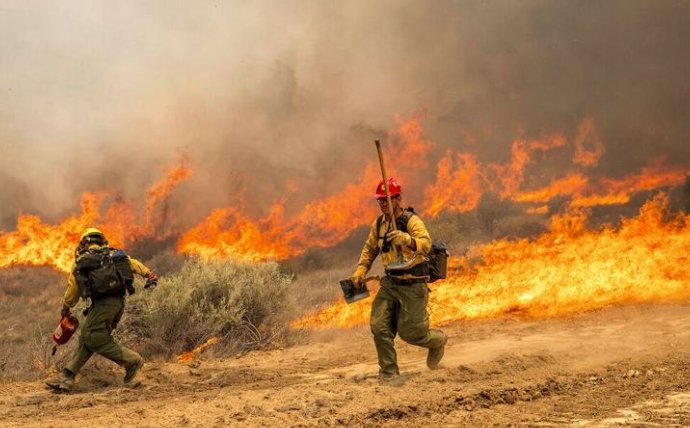
Over 500 people are working the fire, including teams from across the region. They use tools like bulldozers and hand crews to create barriers.
A Type 3 Incident Management Team leads the response. Incident Commander Patrick Kieran praised the work, noting that favorable weather allowed crews to secure more of the edges.
Air support has been key, with helicopters and planes dropping retardant. Ground teams patrol for flare-ups and remove hazards like dead trees.
Local sheriff offices and forest service staff coordinate evacuations, though none are active now. Roads like those near the fire area remain closed for safety.
- Key resources deployed: Helicopters for aerial scouting, bulldozers for fire breaks, and hand crews for direct firefighting.
- Personnel involved: Mix of federal, state, and local firefighters totaling around 530.
- Strategies used: Indirect containment lines in tough spots like canyons.
Impact on Communities and Environment
The fire has affected wildlife and land in the White River National Forest. Smoke spread to nearby towns like Glenwood Springs, causing air quality issues for weeks.
No injuries or deaths reported among firefighters or residents. Some ranch lands saw damage, but overall, structures stayed safe.
Communities held meetings in places like Gypsum to update people. Evacuation alerts went out in late August but lifted as the fire slowed.
The blaze ties into a busy 2025 fire season in Colorado, with other fires like the Elk Fire burning north of Glenwood Springs earlier this year. Experts link this to dry summers and climate patterns.
| Date | Acres Burned | Containment Percentage | Key Events |
|---|---|---|---|
| August 19, 2025 | 1,000 | 0% | Fire starts, rapid growth in dry brush. |
| August 25, 2025 | 4,000 | 0% | Rain helps, but fire still active. |
| September 4, 2025 | 4,557 | 42% | Containment gains on north and south sides. |
| September 9, 2025 | 5,453 | 65% | No growth, final updates unless changes occur. |
This table shows how the fire evolved over time.
Weather Influence and Challenges
Recent rains and cooler temperatures played a big role in slowing the fire. Humidity rose, and winds died down, giving crews a break.
Earlier, hot and dry weather fueled quick spreads. Forecasters predict more stable conditions ahead, with no major heat waves expected soon.
Challenges include steep terrain and access issues. Crews hike long distances to reach spots, making work tough but effective.
Outlook and Safety Tips
Officials expect no more growth and plan to end daily updates unless something changes. Full containment could come soon if weather holds.
The fire serves as a reminder of wildfire risks in the West. Residents should clear brush around homes and stay informed via local alerts.
For those in affected areas, check air quality reports and avoid outdoor activities if smoke returns.
Share this article with friends in Colorado to spread awareness, and comment below with your thoughts on wildfire preparedness.