October kicks off as Domestic Violence Awareness Month, a nationwide effort to spotlight the hidden crisis affecting millions of families across the United States and beyond. This annual observance, rooted in honoring survivors and pushing for healthier relationships, draws attention to the power imbalances that fuel abuse, from physical harm to emotional isolation, as experts in Colorado and other states urge communities to step up support.
The Roots and Purpose of Domestic Violence Awareness Month
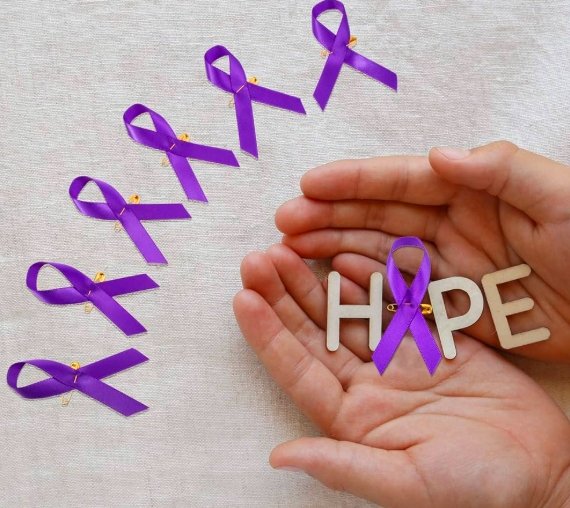
This month long tradition started back in 1989 when the U.S. Congress made October the official time to focus on domestic violence. It aims to educate people, break the silence around abuse, and celebrate the strength of those who have endured it. The purple ribbon stands out as the symbol, representing courage, peace, and a firm stand against violence in homes.
Communities everywhere join in with events that build awareness and offer help. In places like Grand Junction, Colorado, officials highlight how abuse touches every corner of society but often stays hidden due to shame or fear. Directors from state programs stress that talking about it openly can save lives and foster safer environments for everyone.
The 2025 theme, With Survivors, Always, puts the spotlight on long term solidarity. It reminds us that support does not end when someone leaves an abusive situation. Instead, it calls for ongoing commitment to healing and justice, echoing calls from advocates who say true change comes from listening to those affected.
Unpacking the Many Forms of Domestic Violence
Domestic violence goes far beyond bruises or shouts that people might picture right away. It includes a wide range of controlling behaviors that trap victims in cycles of fear. Experts explain that financial control, like limiting access to money, or social isolation, such as cutting off friends and family, can be just as damaging as physical attacks.
In relationships, these tactics create an imbalance where one person holds all the power. Families suffer deeply, with children often witnessing the harm and carrying emotional scars into their own lives. Recent discussions on social platforms show how survivors describe the mental toll, like constant anxiety or loss of self worth, which lingers even after escape.
Recognizing these signs early makes a big difference. Here are some common red flags to watch for:
- Unexplained injuries or frequent excuses for absences.
- A partner who discourages time with others or checks phones obsessively.
- Sudden changes in finances or fear of discussing money matters.
- Emotional shifts, such as withdrawal or heightened stress around certain people.
Addressing these issues requires community vigilance. Programs in states like Colorado work with local groups to provide confidential counseling that tackles the root causes, helping families rebuild step by step.
Shocking Statistics on Domestic Violence Impact
Numbers paint a stark picture of how widespread this problem remains in 2025. In the United States, lifetime experiences show that more than one in three women and one in four men face rape, physical violence, or stalking from an intimate partner.1
Recent trends offer a mix of hope and concern. While overall rates dipped slightly in the first half of this year compared to 2019, surges in certain areas like Monroe County highlight ongoing challenges.3 Injuries from such violence affect about 15 percent of women and 4 percent of men nationwide.
To break it down further, consider this table of key U.S. domestic violence data for 2025:
| Category | Women Statistic | Men Statistic | Source Insight |
|---|---|---|---|
| Lifetime IPV Prevalence | 35.6% experienced | 28.5% experienced | National surveys |
| Injury from IPV | 14.8% suffered | 4% suffered | State reports |
| Abuse Rate Trend (H1 2025) | 8% lower than 2019 | Similar decline | Crime data |
| Victims per Minute | About 20 physically abused | Included in total | Coalition estimates |
These figures underscore the urgency, especially as economic pressures and social changes add layers to the issue. Linking this to broader events, like recent policy pushes for better funding in victim services, shows how awareness months drive real policy shifts.
Resources and Events Fueling Change in 2025
Help is out there for anyone facing abuse, with networks ready to assist at no cost. In Colorado alone, state departments back 45 community organizations offering crisis counseling, safe housing, and legal aid. Nationally, hotlines provide 24/7 confidential support, connecting callers to local services tailored to their needs.
This year brings a wave of events to engage the public. Candlelight vigils light up communities in places like Ridgecrest, California, while symposiums in San Antonio educate professionals on prevention. The Clothesline Project returns on campuses, displaying shirts decorated by survivors to share their stories visually.
Larger gatherings include the 32nd Annual Domestic Violence Conference in San Jose, focusing on justice and healing networks. Online, fundraisers on platforms like Twitch support foundations aiding recovery, blending entertainment with action. These initiatives not only raise funds but also spark conversations that challenge stigma.
For immediate help, remember the National Domestic Violence Hotline at 1-800-799-7233, available around the clock. Local chapters often host workshops on healthy relationships, empowering people to spot and stop abuse before it escalates.
Survivor Strength and the Path Forward
Stories from survivors bring the human side to these statistics, showing resilience amid pain. One woman in Arkansas shared her recovery journey, emphasizing how community outreach helped her rebuild after severe attacks. In New York, advocates like those in the Bronx highlight the need for ongoing support to break cycles, honoring lost lives while celebrating triumphs.
These narratives inspire action, reminding us that everyone deserves a life free from fear. As one expert notes, this month lifts voices that too often go unheard, fostering networks that promote thriving over survival. Tying into recent surges in awareness, like military discussions on enlistment risks, it connects to larger societal shifts toward accountability.
October serves as a call to all of us. Share this article, comment on your thoughts, or reach out to a friend in need. Together, we can amplify survivor voices and build a world where respect defines every relationship.