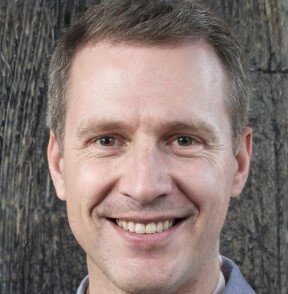
Fort Wayne City Councilwoman Michelle Chambers sharply criticized the proposed cuts in the city’s 2026 budget on Monday, calling them shortsighted ahead of the final vote set for Tuesday evening. The plan, presented by Mayor Sharon Tucker, includes nearly 18 million dollars in reductions mainly targeting arts programs, trail expansions, and riverfront initiatives, all while grappling with revenue shortfalls from a new state law.
Chambers Labels Budget Trims as Risky Move
Michelle Chambers, an at-large council member with a track record of advocating for community growth, argued that the cuts undermine the city’s long-term vision. She pointed out that the mayor’s proposal already shows fiscal restraint by lowering overall spending from the previous year without touching public safety jobs. Despite dipping into reserves by 8.8 million dollars to balance the books, the city would still maintain close to 95 million dollars in savings, far exceeding national standards for financial health.
This buffer, Chambers emphasized, allows Fort Wayne to invest wisely in the future rather than reacting to immediate pressures. She described budgets as moral choices that reflect community values, stressing the need to honor commitments to neighborhoods and sustainable planning. Local residents have voiced similar concerns on social media, highlighting how these trims could slow down beloved projects that boost quality of life.
In recent years, Fort Wayne has seen steady economic gains from such investments, like the riverfront’s role in drawing visitors and supporting local businesses. Chambers warned that pulling back now might jeopardize that momentum, especially when the city stands on solid ground.

State Law SB1 Hits City Revenues Hard
Senate Enrolled Act 1, passed earlier this year, aims to ease property taxes for homeowners but reshapes local income tax structures, leaving cities like Fort Wayne with a projected 25 million dollar revenue drop starting in 2026. Mayor Tucker has linked the budget adjustments directly to this legislation, which forces tough choices to keep services running smoothly.
City officials, including Controller Pat Roller, have praised the administration’s creative approaches to offset the losses, such as trimming non-essential areas while protecting core functions. The overall proposed expenses for 2026 come in at 855,500 dollars below the 2025 approved levels, signaling a deliberate effort to live within means amid uncertainty.
Experts note that Indiana municipalities face similar squeezes, with nearby cities reporting comparable strains on infrastructure and recreation funding. For Fort Wayne, this means rethinking priorities without derailing progress, a balance that has sparked lively discussions in council chambers and online forums.
To illustrate the fiscal shifts, here’s a quick comparison of key budget elements:
| Category | 2025 Budget | 2026 Proposed | Change |
|---|---|---|---|
| Total Expenses | $244.8M | $244M | -$855,500 |
| Revenue from Taxes | Baseline | -$25M (SB1) | Significant Drop |
| Reserves After Use | N/A | $95M | Stable Buffer |
This table highlights how the city plans to navigate the challenges without deep overhauls.
Riverfront Project Draws Sharp Opposition
A major flashpoint in the budget debate centers on a proposed 50 million dollar loan for the third phase of the riverfront development, which Council President Russ Jehl has flagged as unwise. Jehl, representing the 2nd District, urged caution against large debts that could burden taxpayers for decades, especially with revenues already under pressure from state changes.
The riverfront has been a success story for Fort Wayne, generating millions in economic activity over the past five years through events, tourism, and property values. Proponents argue that phase three, focusing on expanded green spaces and connectivity, would amplify those benefits and align with the city’s growth strategy.
However, Jehl’s stance resonates with fiscal conservatives who prioritize debt reduction. Recent council sessions revealed divisions, with some members pushing for alternatives like private funding or scaled-back plans. This tension mirrors broader national trends where infrastructure dreams clash with budget realities in growing urban areas.
Key proposed cuts related to development include:
- Reduction in arts funding by several million dollars, affecting local festivals and cultural events.
- Delays in trail extensions that connect neighborhoods to parks.
- Scaled-back riverfront enhancements, potentially postponing public access improvements.
These adjustments aim to free up resources but have residents questioning if short-term savings will cost more in the long run.
Council Meeting Looms as Deciding Factor
The Fort Wayne City Council will convene at 5:30 p.m. Tuesday at Citizens Square on East Berry Street to deliberate and vote on the budget. With the agenda packed, members like Chambers and Jehl are expected to rally support for their views, potentially leading to amendments.
Observers predict a close call, as the proposal balances lean operations with essential services. The outcome could set a precedent for how Indiana cities adapt to state mandates, influencing everything from daily services to big-picture planning. In a city that’s grown by over 10 percent in population since 2010, getting this right matters for thousands of families.
As Fort Wayne navigates these waters, the focus remains on building a resilient community. Share your thoughts on the budget in the comments below and help spread the word to keep the conversation going.