
When the mercury hits the 90s, it’s not just people who suffer. At Jamison Meats, the fight to keep fridges cold is as intense as any summer rush.
In the middle of Fort Wayne’s heatwave, the stakes in a local deli aren’t just about foot traffic — they’re about food safety. At Jamison Meats, a family-run staple since 1946, owner Paul Jamison knows summer doesn’t just bring more business. It brings more pressure.
Pressure to keep everything cold. Really cold.
“You let that meat get warm? That’s your name on the line.”
Paul Jamison doesn’t mince words — unless he’s actually grinding beef.
His shop, Jamison Meats, has stood through seven decades of Midwest weather. But this year’s back-to-back 90-degree scorchers are testing even seasoned pros like him. And unlike restaurants that can close mid-afternoon or pivot to lighter menus, a butcher can’t afford mistakes.
“Refrigerating meat is very important,” he said. “We have to keep it under 40 degrees. If not, spoilage happens fast. And bacteria? You don’t want to mess with that.”
He’s not being dramatic. According to the USDA, bacteria like Salmonella and E. coli multiply fastest between 40°F and 140°F — a range often called the “danger zone” in the food world.
It starts in the back room
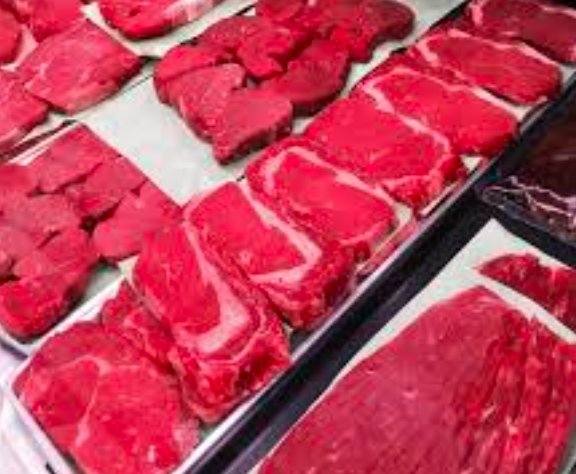
While customers scan sausages and marbled steaks in the front, the real action happens out of sight — where compressors hum and fans spin.
Every summer, before things get too hot, Jamison and his team go through every fridge and cooler.
“We make sure all our coils are clean, all the fans are working,” he said. “One little hiccup, and we’re on the phone with the refrigeration guys immediately.”
It’s a ritual. Like spring cleaning, but with much higher stakes.
Bullet list: How Jamison Meats preps for summer
Here’s what the crew does every June without fail:
-
Clean condenser coils on every fridge
-
Replace weak or burnt-out cooling fans
-
Check thermostat calibration
-
Install digital temperature trackers (for logging compliance)
-
Schedule a mid-summer inspection “just in case”
Most of it sounds boring. But it’s the kind of boring that keeps thousands of dollars of product from ending up in the trash.
The struggle isn’t just technical — it’s human, too
It’s not only the meat that suffers in the heat. So do the employees.
With ovens running, fridges humming, and the front door constantly swinging open, the shop turns into a sauna by mid-morning.
One worker, towel draped around his neck like a coach at halftime, laughed while slicing pastrami. “This is a workout job in July, man. You earn your deli sandwich.”
Fans have been added behind the counter. Water breaks are more frequent. Nobody minds if the AC’s blowing a little louder than usual.
Table: Heatwave Response Checklist for Small Food Businesses
| Task | Priority Level | Completed at Jamison Meats |
|---|---|---|
| Clean fridge coils | High | ✅ Yes |
| Inspect fan motors | High | ✅ Yes |
| Confirm thermostat accuracy | High | ✅ Yes |
| Backup power test | Medium | ⬜ Not Yet |
| Install temp monitors | High | ✅ Yes |
| Add airflow for staff | Medium | ✅ Yes |
Heat means more customers — and more anxiety
The irony? Business usually spikes when the weather sizzles. Families host cookouts, stock up for lake weekends, and crave easy grillables.
“Fourth of July is one of our biggest weeks,” Jamison said. “Brats, burgers, ribs — they fly out the door.”
But with big orders come bigger risks. One broken fridge and dozens of pork shoulders are gone. That’s not just a loss — it’s a reputation hit. And in a family-run shop, reputation is everything.
Lessons passed down through generations
Jamison’s been doing this his whole life. His grandfather opened the shop after World War II. His father took over next. Paul’s been in charge since the early 2000s.
That legacy means every summer comes with stories — both of near-misses and close saves.
“There was a year, I think it was 2012, we lost a walk-in fridge during a power surge,” he recalled. “We had to move everything in 40 minutes. Neighbors brought their coolers. One guy even had a refrigerated truck.”
That kind of community backup, he said, is why Jamison Meats is still standing.
What happens if something breaks?
The plan is simple: move fast.
If a fridge goes down, staff leap into motion — moving meats to backup coolers, contacting customers with pending orders, and calling emergency refrigeration services.
“We don’t wait. We don’t hope it’ll fix itself,” Jamison said. “That’s how you get someone sick.”
And if power fails? They have a backup generator on standby, though he admits, “I should probably test it again soon.”