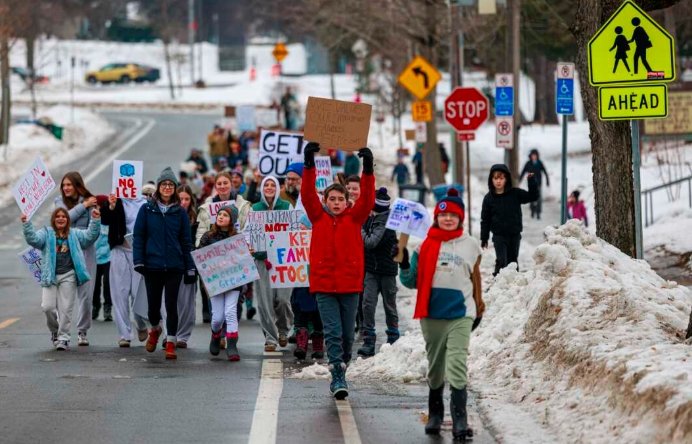
Fort Wayne residents hit the streets on January 9, 2026, to protest the fatal shooting of Renee Nicole Good by an ICE agent in Minneapolis two days earlier. Over a hundred people gathered at the Allen County Courthouse before marching to the Federal Courthouse, demanding an end to ICE operations and accountability from local lawmakers.
Background on the Minneapolis Incident
The shooting happened on January 7, 2026, when ICE deportation officer Jonathan Ross fired at Good, who officials say tried to ram agents with her car during an immigration enforcement action in south Minneapolis. Federal authorities claim the officer acted in self defense, but local leaders and witnesses dispute this, calling it an unjust use of force against a community member helping her neighbors.
Protests erupted nationwide after the event, with cities like New York, Portland, and now Fort Wayne joining in. Good, a mother of a six year old, was known in her community for supporting immigrants. Her death has fueled debates on immigration policies under the Trump administration, which has ramped up deportations since early 2026.
City and state officials in Minnesota have demanded a full investigation, pointing to video evidence that contradicts the federal account. The FBI took over the case, limiting local access to evidence and sparking more outrage.
Fort Wayne Rally Details
The Fort Wayne march started at the Allen County Courthouse around 9 AM local time, drawing a diverse crowd including families, students, and activists. Protesters carried signs reading “Abolish ICE” and “Justice for Renee,” chanting against federal overreach.
Organizers focused on local ties, urging Senators Jim Banks and Todd Young to oppose the administration’s stance. Banks posted on social media supporting ICE, calling the shooting a response to a violent attack, which protesters labeled as cowardly.
One marcher, Danielle Doepke, spoke out against Banks, saying he needs to stand up to the president. The group then moved to the Federal Courthouse on South Harrison Street, where they left messages for the senators expressing their anger and calls for change.
For many, this was a first time protesting. Sarah Bird shared her frustration, noting the incident pushed her to act. The event stayed peaceful, with no arrests reported by local police.
- Key demands from protesters included defunding ICE and stopping deportations in sanctuary cities.
- They also called for federal oversight on agent conduct following recent shootings.
- Support for immigrant rights groups was highlighted, with links to national campaigns.
National Response and Related Events
Across the US, similar protests have grown since the shooting. In Portland, Oregon, another ICE related shooting on January 8 injured two people, heightening tensions. Governors in Minnesota and Oregon activated National Guard units to manage crowds.
Democratic leaders in Washington DC condemned the violence, pushing for investigations into ICE tactics. President Trump defended the agents, citing past cases where officers faced threats, like a 2025 incident in Chicago where an agent was dragged by a vehicle.
Public sentiment on social media shows division, with some posts praising ICE for enforcement and others mourning Good as a victim of excessive force. Recent polls from early 2026 indicate 55 percent of Americans support stricter immigration but oppose lethal force in routine operations.
| City | Protest Date | Estimated Crowd Size | Key Actions |
|---|---|---|---|
| Minneapolis | January 7-9 | 500+ | Vigils and clashes with police |
| New York City | January 8 | 300 | Marches in Foley Square |
| Portland | January 8-9 | 200 | Demands for agent accountability |
| Fort Wayne | January 9 | 150 | March to federal building |
This table shows how the movement spread quickly after the initial shooting.
Experts note this fits a pattern of rising conflicts over immigration enforcement, similar to 2020 protests but amplified by current policies.
Impact on Local Communities
In Fort Wayne, the protest highlights growing concerns among immigrant families, who make up about 10 percent of the population according to 2025 census data. Local groups worry about increased ICE presence, which could lead to more family separations.
Community leaders say events like this build solidarity but also fear backlash. One organizer mentioned plans for follow up actions, including petitions to Congress.
The shooting has also sparked discussions on police reform, linking it to broader issues like the 2020 Minneapolis events that led to national changes.
What Happens Next
Investigations into the shooting continue, with calls for body camera footage release. Advocacy groups plan more rallies, aiming to influence upcoming immigration bills in Congress.
As tensions rise, communities like Fort Wayne show how national issues play out locally, urging residents to stay informed and engaged.
Share your thoughts on this protest in the comments below, and spread the word to keep the conversation going.