Grand Junction Regional Airport just scored a major win with a $38 million grant from the Federal Aviation Administration to boost its runway replacement project. Announced on September 26, 2025, this funding pushes the airport closer to modernizing its outdated infrastructure, with paving set to start in 2026 and possible completion by 2028 or 2029.
Details of the Latest FAA Funding
Airport officials celebrated the award through the FAA’s Airport Improvement Program, which targets essential upgrades at airports across the nation. This grant marks a key step in a project that began groundwork in 2018, focusing on replacing a runway built in the 1950s.
The money will cover the first phase of paving, allowing visible progress for travelers next year. Angela Padalecki, the airport’s CEO, highlighted how this support accelerates the timeline. She noted the project stays on track for a 2029 opening but could finish sooner with the extra resources.
This is not the first federal boost for Grand Junction. Earlier grants, including $35 million in 2024 and $12.5 million in August 2025, have built momentum. Combined, federal funding now tops $53 million, showing strong government backing for regional aviation needs.
How the Grant Speeds Up Construction
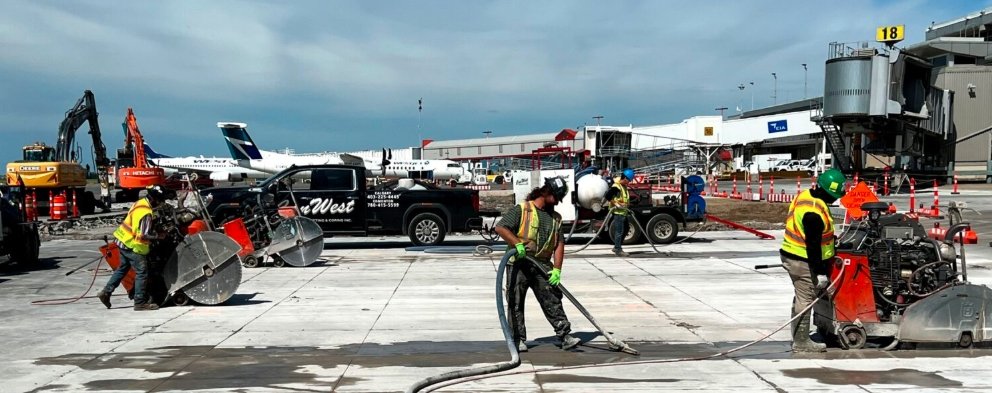
The runway project addresses safety and efficiency issues from the old structure, which no longer meets modern standards. With this $38 million, crews can move from sub-base work to actual pavement installation, a phase that has been in planning for years.
Padalecki explained that funding drives the pace. The FAA covers 90% or more of costs, reducing the airport’s share from 10% to 5%. This shift saves over $2 million, freeing up cash for other priorities.
Recent updates show the airport aims to open the new runway by 2029, but officials feel confident about pushing for 2028. Partners at the FAA are working to align schedules, potentially shaving off a year.
Local leaders point to similar projects nationwide, like runway repairs at Midway International Airport, which also received FAA grants in 2025. These efforts highlight a broader push to upgrade U.S. airports amid growing air travel demands.
Savings and Broader Airport Improvements
Beyond the runway, the grant delivers real financial relief. The airport generates about $2 million in net operating income yearly without taxpayer dollars. Saving on this project means more funds for expansions.
One big plan is a $50 million passenger terminal upgrade. This could add space for more flights and better amenities, supporting economic growth in Western Colorado.
Officials noted the savings make such projects feasible sooner. Without this grant, timelines for terminal work might stretch further, delaying benefits for travelers and businesses.
The funding also aids wildfire response efforts, as a stronger runway allows larger aircraft for emergency operations. This ties into recent trends, with Colorado facing active fire seasons in 2025.
Here is a quick look at the project’s funding history:
| Year | Grant Amount | Purpose |
|---|---|---|
| 2021 | $20 million | Initial phases of runway replacement |
| 2024 | $35 million | Bringing runway to modern standards |
| 2025 (August) | $12.5 million | Runway expansion and improvements |
| 2025 (September) | $38 million | Paving phase |
Economic Boost for Grand Junction
This investment promises ripple effects for the local economy. The airport supports jobs in aviation, tourism, and logistics, contributing millions annually to the region.
Upgrades could attract more commercial flights, drawing visitors to nearby attractions like Colorado National Monument. Business leaders see it as a catalyst for growth, especially with rising travel post-pandemic.
Recent data from aviation reports shows U.S. airports with modern runways handle 15% more traffic on average. For Grand Junction, this means potential increases in passenger numbers and revenue.
Community members have voiced excitement on social media, praising the project’s progress. It aligns with national infrastructure goals, like those in the Infrastructure Investment and Jobs Act, which has funneled billions into airports since 2021.
Looking Ahead to a Brighter Future
As the project advances, airport leaders plan community updates to keep residents informed. They encourage locals to watch for construction milestones starting in 2026.
This grant not only modernizes the facility but also positions Grand Junction as a key hub in the West. With wildfire seasons intensifying and travel rebounding, these improvements come at a critical time.
What do you think about this development? Share your thoughts in the comments below or spread the word on social media to keep the conversation going.