United Way initiative empowers vulnerable communities with transportation support and skills training
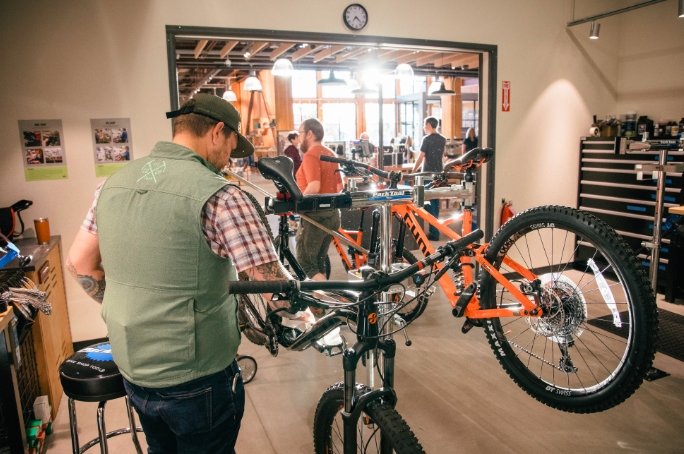
GRAND JUNCTION, Colo. — In a bid to provide both mobility and empowerment, United Way of Mesa County hosted a free bike repair clinic on May 6 at the Grand Junction Resource Center, giving unhoused and low-income community members the tools and skills to maintain one of their most vital resources: their bicycles.
The clinic served as both a hands-on educational event and a distribution point for donated bikes. Seven bicycles were given to individuals who learned basic maintenance during the workshop.
“As far as educational clinics are concerned, this is one of the biggest ones we have,” said Philip Masters, service and outreach coordinator for United Way. “We’re getting support from the biking community—the love and support we get from that community is huge.”
A Lifeline on Two Wheels
For many unhoused individuals in Grand Junction, a bike can mean the difference between accessing shelter, food, employment, or healthcare—and being stranded.
But with limited resources and no access to commercial repair services, small mechanical issues often render bikes unusable. That’s where clinics like this step in—offering instruction on tire repair, brake adjustments, and routine upkeep.
In addition to United Way staff, the event was supported by local bike enthusiasts and volunteer mechanics, who contributed their time, expertise, and donated bicycles.
Community-Based Solution
The initiative is part of a broader push by United Way to remove transportation barriers for people experiencing homelessness or housing insecurity.
“It’s not just about fixing bikes. It’s about giving people back a sense of independence,” said Masters.
The organization’s continued partnership with the Grand Junction Resource Center underscores its commitment to serving vulnerable residents directly where they access other essential services such as hygiene, meals, and case management.
Looking Ahead
Organizers say they hope to expand the program with more frequent clinics and potentially launch a mobile repair service to reach those who cannot attend scheduled events. Donations of bikes, tools, and spare parts are being accepted on an ongoing basis.
The event also comes as the Resource Center begins phase two of its relocation plan, highlighting the importance of maintaining continuity of essential services during the transition.