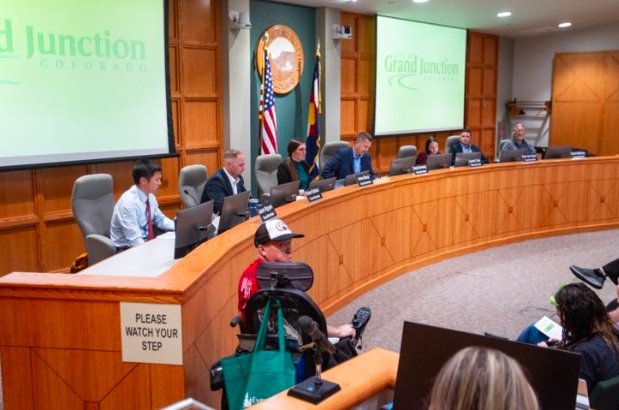
The Grand Junction City Council in Colorado adopted a new strategic plan on October 15, 2025, to guide the city’s growth and operations through 2027. This plan sets clear priorities for staff and leaders to tackle key community needs like housing and public services.
Five Core Priorities Shape City Direction
City leaders worked together to create this plan during a series of meetings led by consultants and supported by staff. Mayor Cody Kennedy noted that it provides a roadmap for projects and budget choices. The five main areas cover everyday services, home needs, money management, open government, and smart operations.
These priorities build on earlier efforts, such as the 2020 Comprehensive Plan that outlines long-term growth. They also tie into the 2021 Housing Strategy, which aims to boost affordable options in the area. By focusing here, the council hopes to address rising challenges like population growth and resource limits.
The plan’s adoption comes at a time when local budgets face pressure. For instance, the recommended 2026 budget shows a 12 percent drop from 2025 levels to control spending while investing in essentials. This move reflects a careful approach to keep the city financially stable amid economic shifts.
Housing Takes Center Stage in Community Plans
Housing stands out as a top concern in Grand Junction, where demand for affordable and attainable homes keeps growing. The plan pushes for partnerships with local groups to help those without stable places to live. Recent studies show about 2300 people in Mesa County face homelessness, highlighting the urgency.
City staff launched a dedicated Housing Division in 2022 to handle these issues. It now includes three full-time workers and support from interns and fellows. Efforts include updating land use rules to encourage more housing choices, as outlined in the Comprehensive Plan’s principle on strong neighborhoods.
To make this practical, the city plans to work on regional funding and reduce barriers like high development fees. Stakeholders say these steps could ease the shortage that affects families and workers. One key goal is to ensure homelessness becomes rare and short-term through better services and support networks.
Here are some specific actions under the housing priority:
- Partner with nonprofits to build more affordable units.
- Review zoning codes to allow diverse home types.
- Launch programs for unhoused individuals with job training and health aid.
Fiscal Policy Ensures Smart Money Use
Managing the city’s budget wisely forms another pillar of the plan. Leaders aim to track spending closely and align it with community values. This includes maintaining a strong financial position even as costs rise for things like utilities and safety.
The 2026 budget proposal gives a clear picture of this focus. It cuts overall expenses by 12 percent from last year while boosting funds for core needs. Departments presented how their plans match the strategic goals during recent workshops.
Transparency plays a big role here too. By sharing budget details openly, the council builds trust with residents. This approach helps avoid surprises and lets people see how tax dollars support daily life. In the past, similar strategies helped the city weather economic dips without major cuts to services.
| Priority Area | Key Goals | Related Budget Impact (2026) |
|---|---|---|
| Fiscal Policy | Track spending, align with budget | 12% overall decrease, targeted investments |
| Core Services | Maintain public safety, streets, parks | Increased funding for essentials like utilities |
| Housing | Boost affordable options, aid unhoused | Support for partnerships and programs |
This table shows how fiscal choices connect to other areas, ensuring balanced progress.
Boosting Transparency and Efficiency for Better Governance
Openness and accountability rank high in the new plan. The council wants to keep residents in the loop on decisions and gather their input regularly. This could mean more public meetings, online tools for feedback, and clear reports on progress.
Efficiency rounds out the priorities by stressing wise use of resources. Tax revenue should go toward what matters most to locals, like safe streets and vibrant parks. Staff will streamline processes to cut waste and speed up services.
These elements draw from community vision statements, like making Grand Junction a safe and welcoming place. Past plans, such as the 2024-2026 framework, set the stage for this update. Mayor Kennedy feels optimistic, saying it gives clear direction for the next two years.
Related events, like the recent Comprehensive Plan workshop in July 2025, show ongoing commitment. That session covered growth areas and principles for development, linking directly to these priorities.
Looking Ahead to a Stronger Grand Junction
With the plan now in place, city leaders expect smoother decision-making and better results for residents. It ties into broader goals like economic growth and community engagement. Challenges remain, but this framework offers a solid path forward.
As Grand Junction grows, these priorities could inspire similar efforts in nearby areas facing housing crunches or budget strains. The collaborative process involved all seven council members, each adding their views on what counts most.
Readers, what do you think of these city priorities? Share your thoughts in the comments below and spread the word on social media to keep the conversation going.