
GRAND JUNCTION, Colo. — In the stillness before the pager buzzes, Nate Wilson prepares for the unknown.
It’s 6 a.m. at the CareFlight of the Rockies base. The skies are quiet over Grand Junction. The rotor blades haven’t yet begun their churn. But for Wilson — a veteran EMS professional with over 1,000 flight missions to his name — readiness is more than a routine. It’s a way of life.
Now in his eighth year as a flight nurse, Wilson marks National Emergency Medical Services Week not with ceremony, but with a matter-of-fact humility shaped by 25 years in the field.
“I can’t think of one moment or incident that inspired me,” he says. “Just life pushed me this way.”
A Life Measured in Missions
Wilson has spent more than two decades responding to emergencies, but it’s his time with CareFlight of the Rockies that stands out. From trauma sites in remote mountain towns to high-speed interstate accidents, and even across state lines — he’s been there.
“We might end up in Denver. Or Salt Lake. Sometimes we’re in Texas or even Arkansas,” Wilson explains. “You just never know where you’re going to go.”
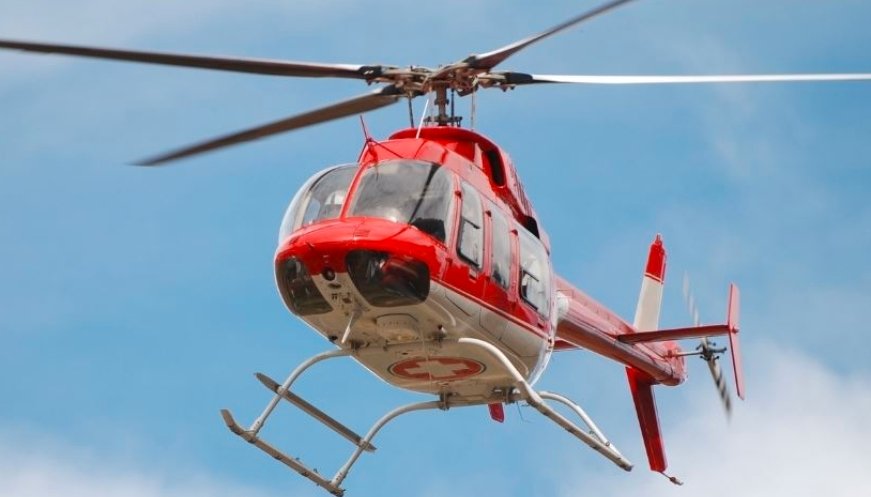
CareFlight’s service area spans Colorado, Utah, and the wider Rocky Mountain region, with missions that range from critical care airlifts to neonatal transport. Wilson has flown through hail, wind, snow, and stifling summer heat, always with one mission: save lives.
Once the team is airborne, every second counts.
“We get there. We do our assessment. We do our treatments. And we get them to somewhere that can give them the care they need.”
That streamlined summary doesn’t fully capture the intensity. Flight nurses are trained to make split-second decisions with limited equipment at 10,000 feet — often while navigating chaos in cramped, vibrating cabins.
24 Hours on the Clock
Each shift lasts 24 hours. And while there’s downtime between calls, rest isn’t guaranteed.
“When you come in, we check the aircraft. We check our supplies. Everything that needs to be stocked, cleaned, ready — we do that. And we wait for the page,” Wilson says.
It’s part discipline, part vigilance. There’s no telling when — or where — the next emergency will erupt.
“You learn to be ready for anything.”
Teaching the Next Generation
Beyond the skies, Wilson also devotes time to teaching EMS agencies across Colorado’s Western Slope. His goal is simple but essential: improve community care.
“Nate is not just a responder — he’s a mentor,” says one fellow medic who’s trained under him. “He brings wisdom without ego. And he reminds you that this job is really about service.”
A Servant’s Heart in the Skies
Ask Wilson about the hardest part of the job, and he doesn’t mention the stress or the fatigue. Instead, he talks about the weight of witnessing people at their worst — and being their anchor in those moments.
“We see people when they’re in their lowest point sometimes. And to be able to serve them and help them is my favorite part of the job.”
He sees EMS not just as a profession, but a calling rooted in service.
“I think the greatest way to live life is to live as a servant of others. And this job gives me that opportunity.”
It’s a sentiment that echoes across the EMS community, but it hits different when spoken by someone who has clocked more than 1,000 missions — and who still walks into every shift with gratitude.
Humility in the Air
Wilson’s advice to future EMTs and flight nurses? Show up eager to learn — and stay humble.
“It’s not about knowing everything right away. It’s about being willing to listen, grow, and serve. That’s what makes a great medic,” he says.
His words reflect the tone of National EMS Week: recognition not only of skill, but of sacrifice — of the men and women who show up, suit up, and lift off toward danger while others wait for help to arrive.
The Human Behind the Helmet
Though flight nurses wear helmets, vests, and patches — gear that suggests resilience — Wilson reminds us there’s a human underneath it all.
“There are days that stay with you,” he admits. “You remember the kids, the tough outcomes. But you also remember the thank-yous, the lives you helped turn around.”
When not on a mission, Wilson unwinds with family and outdoor time — a crucial counterbalance to the emotional toll of emergency response.
“We don’t do this job to be heroes,” he adds. “We do it because someone needs us.”