Since their debut in May 2023, Lime scooters have been zooming through the streets of Grand Junction, stirring up a mix of love and frustration among locals. Are these little electric rides the future of urban travel—or just a headache for drivers and pedestrians?
A Ride That’s Easy on the Wallet and the City
Lance Hubbard, a daily Lime user, swears by the scooters. “It’s convenient, it’s cheap, it’s fun,” he says with a grin. For folks like Lance, these scooters offer a quick way to zip around downtown without the hassle of finding parking or paying for gas.
The scooters are also touted as an eco-friendly option, cutting down on carbon emissions compared to cars. In a city like Grand Junction, where traffic can pile up during peak hours, electric scooters can be a nifty solution to beat the jam.
Plus, the Lime app makes hopping on and off easy. Riders just scan a code, scoot away, and park wherever they please—within reason.
But Not Everyone’s on Board
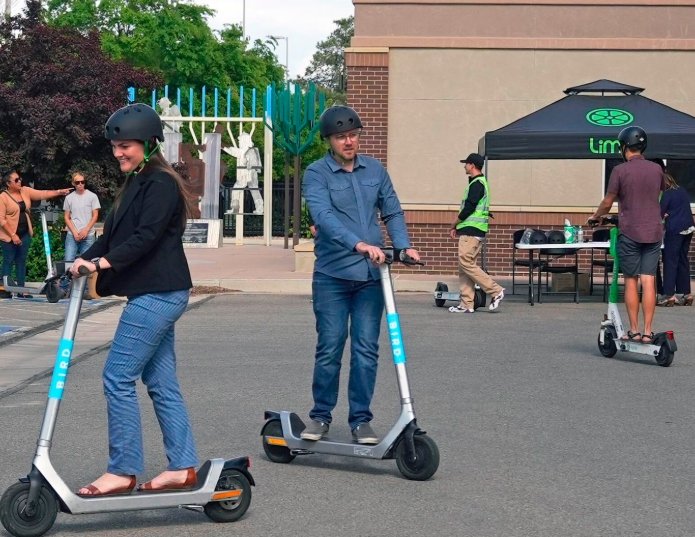
Then there’s the flip side. Anastaja Braden, a longtime resident, isn’t thrilled. “I hate them, they’re always swerving in the roads,” she vents. Her complaint echoes the worries of many drivers and pedestrians who’ve had close calls or been startled by scooters darting unexpectedly.
Scooter users sometimes share sidewalks with pedestrians, which can lead to tense moments—especially if riders don’t slow down or signal turns. The issue gets stickier when helmets are left at home and riders ignore traffic rules.
And while the Lime app lists safety rules like no drinking and driving, speed limits, and parking guidelines, enforcement is basically on the honor system. The company encourages helmets and caution, but they can’t police every rider.
Rules on Paper, Reality on the Streets
Here’s the kicker: Lime’s rules only go so far because they rely heavily on users doing the right thing. The app advises:
-
No riding under the influence
-
Maximum speed limits on sidewalks and multi-use paths
-
Proper parking to avoid blocking walkways or driveways
-
Helmet use and adherence to traffic laws
But no one’s handing out tickets or pulling scooters offline for reckless behavior—yet.
This creates a wild card for city officials trying to balance safety with the scooters’ popularity.
What’s the City Doing?
Grand Junction hasn’t imposed strict regulations yet, but the growing presence of scooters has sparked debates among local lawmakers and community groups. Some suggest designated scooter lanes, while others push for more public awareness campaigns on safe riding.
Others want clearer consequences for those who ride dangerously or park scooters haphazardly, turning sidewalks into obstacle courses.
Whether these scooters end up as a staple of the city’s transport scene or get dialed back depends on the community’s response—and how well riders stick to the rules.
The Bottom Line: A Bit of Both?
Scooters in Grand Junction are a bit like that friend who’s fun but sometimes unpredictable. They offer convenience and a fresh way to get around, especially for short trips or avoiding traffic snarls.
But there’s no ignoring the bumps—both literal and figurative—that come with sharing the road and sidewalks with these zippy devices.
As the summer heats up, expect the conversations—and the scooters—to keep rolling.