
While many celebrate Emergency Medical Services (EMS) Week with thanks and banners, for Grand Junction’s firefighter-paramedics, the reality of the job plays out far from the spotlight — inside ambulances, at roadside accidents, and in quiet homes where panic calls for calm.
At Station 4, where 48-hour shifts stretch long into the night, the Grand Junction Fire Department’s paramedics are always on standby. Always alert. Always ready.
“Every Call Is Different”: Life on a 48-Hour Clock
Kasie Manuppella, both a firefighter and paramedic, describes the job as one of extremes: emotionally intense, physically demanding, and yet profoundly rewarding.
“Each call is totally different, even if it’s the same person, same incident,” she said. “It’s a different call.”
Paramedics cycle through two full days on duty, followed by 96 hours off — a rhythm that allows for rest but also demands total presence when on the job. And the calls come at any hour: strokes, heart attacks, overdoses, falls, or the unexplainable.
It’s not just medical knowledge they rely on. It’s pattern recognition, intuition, empathy — all sharpened over years of experience.
Manuppella compares each shift to a detective’s investigation.
“You show up and you start digging,” she said. “What’s going on? What’s really wrong? Is it what they’re telling us, or is there something else?”
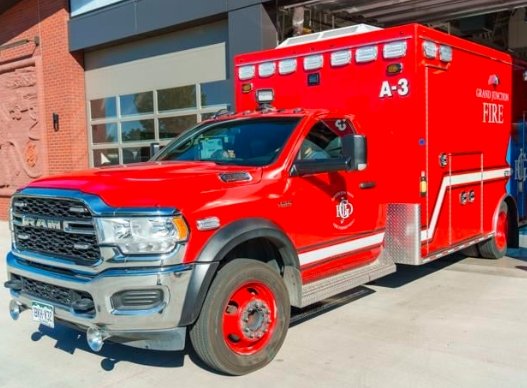
Training Beyond the Emergencies
When there isn’t a call — a rarity — the paramedics don’t just relax. They train. Constantly.
Whether it’s practicing airway procedures, brushing up on pediatric protocols, or running simulated cardiac arrests, the goal is always the same: to be ready.
“We train physically. We train mentally. We talk through scenarios,” Manuppella said. “Our training and just developing more knowledge helps us to help the community as a whole.”
Inside the firehouse, dummies lie in staged trauma scenes. Emergency kits are inspected. Team members quiz one another on drug interactions and rare diagnoses. It’s all about preparedness — the kind that can mean the difference between life and death.
Mental Health and Brotherhood on the Job
It’s not all adrenaline and duty. The quiet moments — after a hard call, after a death — are just as real.
Manuppella is candid about the toll the job can take.
“We’re just a family here,” she said. “You have to lean on each other.”
Paramedics deal with more trauma in one week than most people see in a lifetime. It’s not uncommon for crews to return from the scene of a pediatric drowning and have to reset in minutes for the next emergency.
So they talk. They decompress. They share a meal. And they rely on off-duty hobbies, family, and departmental peer support systems to stay centered.
What the Work Looks Like
The scope of a paramedic’s responsibilities goes far beyond what the public sees. It’s not just about sirens and CPR.
Here’s a snapshot of what their role includes:
-
Emergency Response: Cardiac arrest, trauma, overdose, childbirth, psychiatric emergencies
-
Patient Assessment: Rapid evaluation under pressure, vital sign monitoring, diagnostics
-
Treatment & Stabilization: Administering drugs, defibrillation, managing airways
-
Transport Decisions: Determining where and how fast to transport a patient
-
Scene Safety: Navigating dangerous, unpredictable environments
-
Documentation & Reporting: Detailed records for hospitals, law enforcement, and future care
Every decision matters. Every second counts.
Behind the Numbers
To appreciate the scope of their contribution, consider what the Grand Junction Fire Department’s paramedics handled in the past year:
| Metric | 2024 Total | Notes |
|---|---|---|
| Total EMS Calls Responded To | 13,500+ | Up 7% from previous year |
| Average Response Time | 5 minutes, 14 sec | Beats national urban average |
| Paramedics Employed | 65+ | Rotating through multiple stations |
| Hours of Annual Training | 200+ per person | Includes simulations and certifications |
| Medical Transports Per Month | ~800 | Includes inter-facility transfers |
Even with these numbers, most paramedics say they don’t seek attention or thanks.
“It’s a thankless job, truthfully,” Manuppella said. “And I don’t think any of us look to be thanked.”
But what keeps them going is the ability to show up for someone on the worst day of their life — and to be the calm voice, the steady hands, the difference.
The Human Side of Help
What struck most during EMS Week wasn’t the gear, the stats, or the adrenaline-filled stories. It was the humility.
“It’s just about being there,” Manuppella said. “Having a face there and having somebody go, ‘I’m here to help, let’s talk about it, what’s going on.’”
That connection — person to person, in a moment of crisis — is what defines the work.
There’s no script for grief. No shortcut for fear. Paramedics meet people where they are, in the rawest of moments. And they carry that weight, quietly, shift after shift.