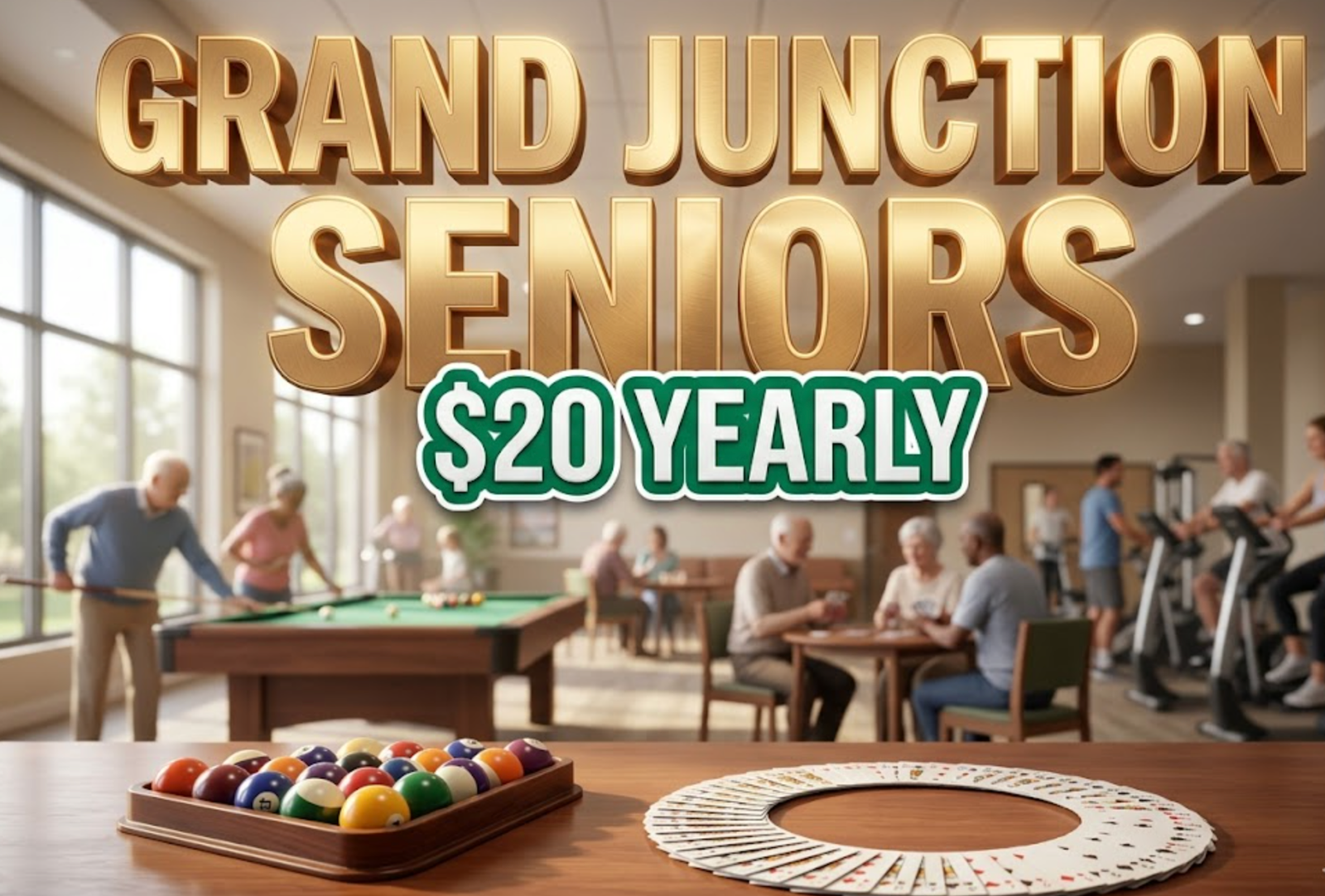
A Grand Junction senior recreation center is proving that community and wellness don’t have to come with a hefty price tag. For just $20 a year, adults over 50 can access a hub of social activities, exercise facilities, and most importantly, companionship in an era where senior isolation has become a growing public health concern.
The center offers everything from bingo and billiards to line dancing and card games, with most daily activities costing just 50 cents. As loneliness among older Americans reaches epidemic levels, this affordable model is drawing attention as a practical solution to keeping seniors active and connected.
Affordable Access Opens Doors for Seniors
The pricing structure at the Grand Junction facility stands in stark contrast to typical senior activity centers and gym memberships across the country.
Membership costs $20 annually for anyone 50 years or older. Most card games and social activities require only a 50-cent daily fee, while pool access is available six days a week for $1 per session.
This pricing model removes financial barriers that often prevent seniors on fixed incomes from accessing recreational facilities. Recreation center President Larry Fukui emphasized the center’s open-door philosophy, encouraging members to suggest new activities and find fellow enthusiasts.
The facility operates on a member-driven approach where participation shapes programming. If someone wants to start a new game or activity, they simply need to find others interested in joining.
Activities Combat Senior Loneliness Epidemic
The center schedules bingo twice weekly on Tuesdays and Saturdays, drawing regular crowds of participants. Card enthusiasts gather for games including Pinochle, Bridge, and Canasta throughout the week.
Beyond traditional games, the facility provides an exercise room equipped with weights and machines. Line dancing classes take place every Thursday, combining physical activity with social interaction.
According to recent data from the National Institute on Aging, social isolation significantly increases risks of premature death, dementia, heart disease, and stroke among older adults. Community centers like this one serve as critical intervention points.
Fukui noted the importance of physical activity at any age. “It’s good to keep in shape, even at an advanced age,” he said, highlighting the center’s dual focus on mental and physical wellness.
From Member to Leader: Building Community Through Service
Fukui’s journey at the center illustrates how initial interest can evolve into deeper community involvement.
He originally joined simply to shoot pool, an activity he enjoys. When the center reopened after COVID-19 closures, he decided to contribute more substantially to the organization.
His leadership path progressed from member-at-large for one year, to vice president for two years, and ultimately to president. This trajectory demonstrates how the center cultivates not just participants but invested community leaders.
The COVID-19 pandemic particularly highlighted the value of senior community spaces. Many older adults experienced severe isolation during lockdowns, making the center’s reopening and continued operation even more crucial for mental health and social connection.
Addressing a National Senior Wellness Crisis
Senior centers nationwide are increasingly recognized as essential infrastructure for aging populations. The Grand Junction model offers insights into sustainable, accessible programming.
Key benefits members experience include:
- Regular social interaction combating isolation
- Low-cost physical fitness opportunities
- Cognitive stimulation through games and activities
- Sense of purpose and community belonging
- Structured routine and weekly engagement
Research consistently shows that socially active seniors report better health outcomes, lower rates of depression, and improved cognitive function compared to isolated peers. The center’s emphasis on fellowship and interaction directly addresses these documented needs.
The facility’s success relies on its welcoming atmosphere where members feel ownership over programming. This participatory model keeps offerings relevant and responsive to actual community needs rather than predetermined templates.
A Model for Accessible Senior Recreation
As America’s population ages, with more than 10,000 people turning 65 daily, demand for senior services continues growing. The Grand Junction center demonstrates that effective programs need not be expensive or elaborate.
The combination of minimal membership fees, pay-per-use activities, and member-driven programming creates sustainability while maintaining accessibility. This approach could serve as a blueprint for communities struggling to provide senior services amid budget constraints.
The center’s message remains simple: come try the activities, see if they fit, and become part of a community that values every member. In a society where loneliness among older adults has reached crisis proportions, these spaces offer more than recreation. They provide connection, purpose, and proof that aging doesn’t mean isolation.
What role do senior centers play in your community? Share your experiences and thoughts on how we can better support our aging population. If you know a senior who might benefit from community connection, pass this information along and help build stronger networks for those who’ve built so much for us.