Love took a different form in Grand Junction this Saturday. The Grand Valley Horse Rescue opened its gates for a unique Valentine’s celebration that offered more than just candy or cards. Residents gathered for the inaugural Hug a Horse event to experience the profound physiological bond between humans and horses. The open house proved that sometimes the best therapy comes with four legs and a mane.
A New Kind of Valentine Tradition
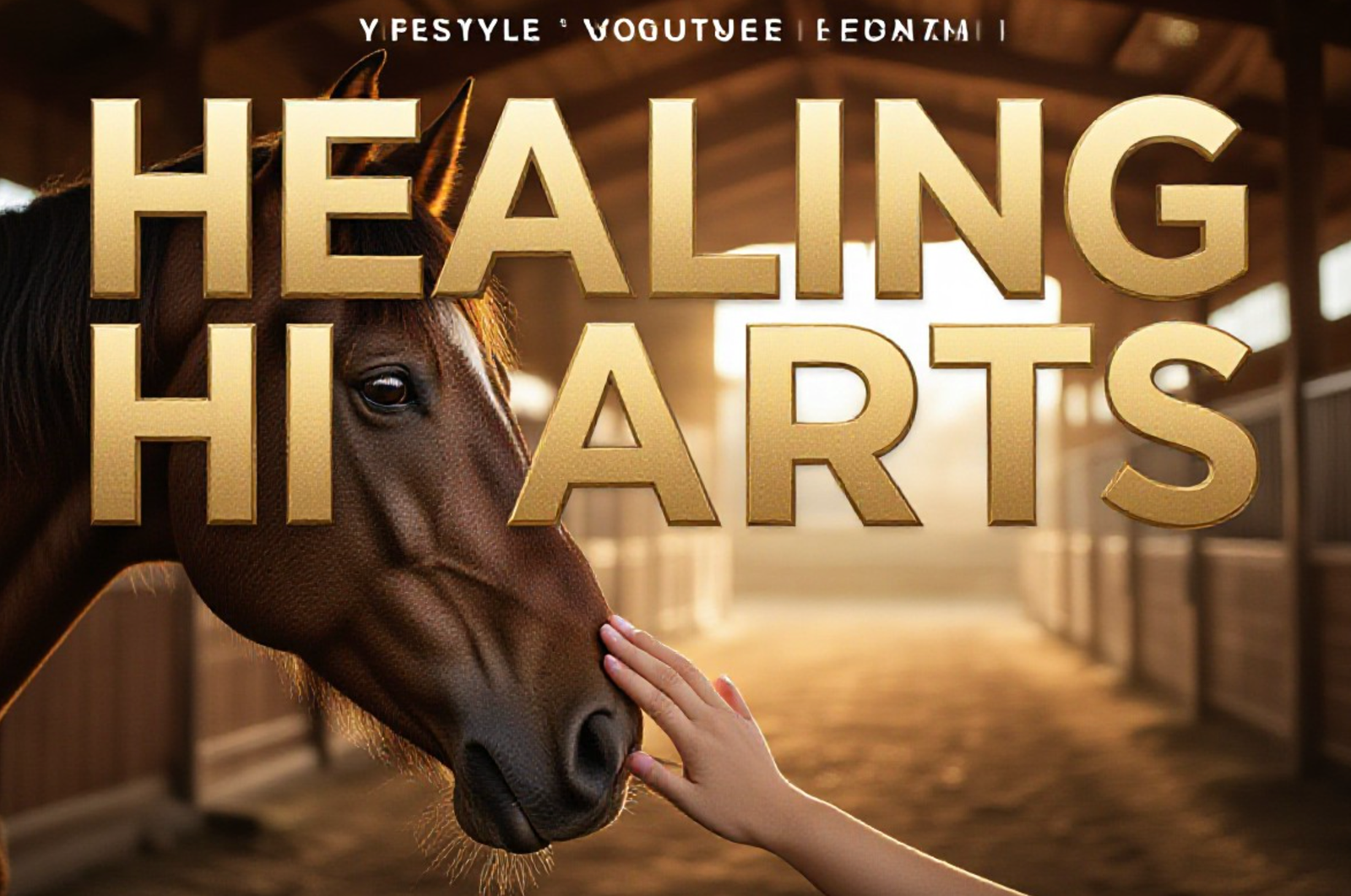
The atmosphere at the rescue on H Road was far removed from a typical romantic dinner, yet it was filled with genuine connection. Families and residents wandered the property, many meeting a horse up close for the first time. The event was designed as an open house to welcome the community into the daily life of the rescue.
Visitors spent the afternoon grooming the animals, walking through the paddocks, and simply standing quietly with the herd. For the volunteers at Grand Valley Horse Rescue (GVHR), this was a chance to show the public exactly what they do. The nonprofit was founded in 2020 with a mission to not only save horses in unfavorable circumstances but also to retrain them for youth performance and provide affordable access for local children.
Heather Thom, the rescue’s Treasurer, noted that the turnout was about more than just curiosity. It was about people seeking a moment of peace.
“Families and people in the valley came to see what we do, hug a horse, groom a horse, and just spend some time with them.”
The Science Behind the Bond
While the smiles were visible, something invisible was happening beneath the surface. Organizers focused the event on the concept of heart health and the specific scientific phenomenon known as heart rate synchronization.
Studies in equine therapy suggest that a horse’s heart has a significantly larger electromagnetic field than a human heart. When a person stands near a calm horse, their own heart rate often slows down to match the animal’s rhythm. This physiological reaction can lower blood pressure and reduce stress hormones like cortisol.
This “mirroring” effect is a core part of why the rescue operates as a teaching facility. Shelle DeVergie Kareus, the main trainer known affectionately as “Memaw” to the students, utilizes this connection to teach children patience and emotional regulation.
- Calming Presence: Horses are prey animals and are highly sensitive to energy.
- Feedback Loop: They instantly reflect the emotions of the human handler.
- Physical Sync: Merely grooming a horse can drop a human’s heart rate significantly.
“It helps with calmness and calms your emotions,” Thom shared during the event. This therapeutic benefit turns the rescue into a sanctuary for humans just as much as it is for the animals.
The High Price of Compassion
Behind the warm fuzzies of the Valentine’s event lies a stark financial reality. Rehabilitating horses, especially those arriving from neglect situations or with medical needs, is an expensive undertaking. The rescue currently cares for a variety of horses, including “Simon,” a large Quarter Horse, and “Outlaw,” a senior horse who recently gained 175 pounds after arriving in a starved condition.
The costs to maintain this standard of care are rising. The rescue relies entirely on donations and volunteer labor to keep the gates open.
Monthly Cost Breakdown Per Horse:
| Expense Category | Estimated Cost |
|---|---|
| Boarding & Facility | Varies by Season |
| Hay & Feed | $200+ |
| Veterinary & Hoof Care | $150+ |
| Supplements & Meds | $100+ |
| Total Average | ~$525 per month |
“We don’t own the property, so we pay board,” Thom explained. “The hay we provide for them twice a day, medications for horses with conditions, vet care, hoof care, it all adds up quickly.”
Finding Forever Homes
The ultimate goal of events like “Hug a Horse” is to find permanent placements for these animals. GVHR operates with a rehabilitation-first mindset. Once a horse is healthy and trained, the team works to adopt them out to families who can continue to provide love and care.
Adoption opens up space for the next horse in crisis. However, some residents, like Paulsar, a permanently lame orphan who serves as an emotional support animal, will likely call the rescue home for life.
For those who cannot adopt, the rescue encourages sponsorship. Sponsoring a specific horse helps cover that $525 monthly gap and allows community members to feel a sense of ownership and connection without the need for land or a trailer.
The Valentine’s Day event was a reminder that rescue work is a community effort. whether through a one-time donation, a monthly sponsorship, or simply showing up to brush a mane, every bit of support keeps these hearts beating.
The “Hug a Horse” event successfully highlighted the dual mission of saving animals and healing humans. It served as a powerful reminder that in a world that often feels disconnected, the simple act of touching a horse can ground us. As the sun set on this Valentine’s celebration, the message was clear: love is an action, and sometimes it looks like a bucket of grain and a gentle nuzzle.
What are your thoughts on equine therapy and animal rescue? Did you know horses could help lower your heart rate? Share your experiences in the comments below or tag us on social media using #HugAHorse2026.