
LONDINIÈRES, France — For the first time in more than 100 years, a gray wolf may have returned to the Normandy region of northern France — an area where the species was once widespread before being driven to near-extinction by human intervention.
Captured on grainy surveillance footage just north of the small town of Londinières, the animal is believed to be a European gray wolf (Canis lupus lupus), a subspecies once native to the French countryside but hunted out by the 19th century.
The footage, originally recorded by a camera set up by local resident David Desjardins, was sent to France’s Office for Biodiversity (OFB) for analysis. The image shows a lone, four-legged animal with characteristic wolf-like features cautiously moving through a rural path at night.
Cautious Optimism, Pending DNA Confirmation
Though the footage has drawn excitement from conservationists and biologists, OFB officials have stopped short of confirming the sighting as definitive.
“Given the quality of the images… and considering that many breeds of dogs can have a size and coat colors similar to that of a wolf, this expertise should be considered with some reservation,” the agency stated.
Specialists trained in wolf identification reviewed the footage and concluded there is a high probability that the animal is indeed a gray wolf. However, officials noted that only DNA testing from physical evidence such as hair, feces, or saliva could offer definitive proof.
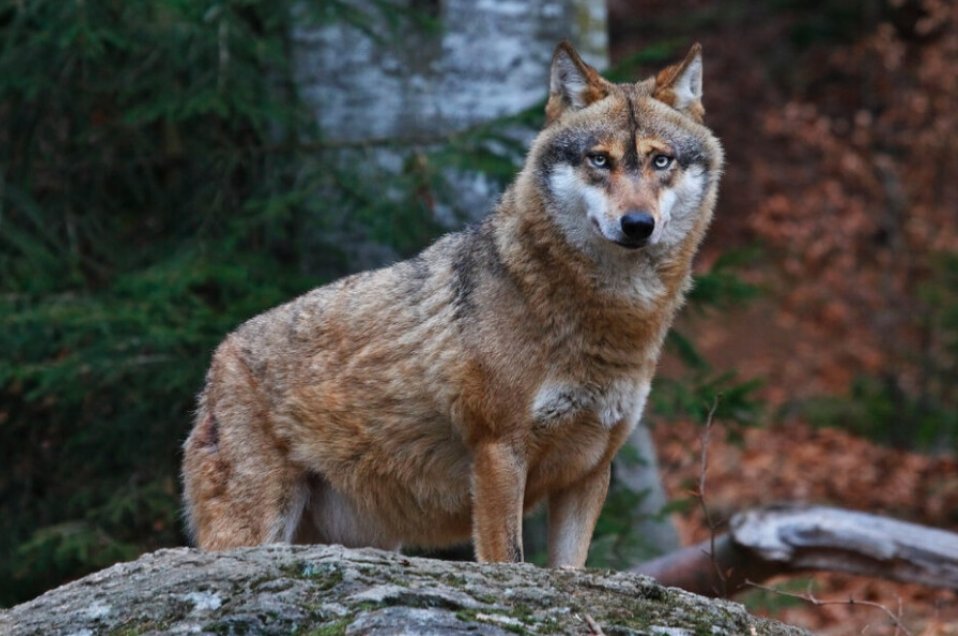
Wolves Once Eradicated by Human Hands
The return of a gray wolf to this particular region carries deep historical resonance. By the mid-1800s, gray wolves were systematically eradicated from northern France as part of a state-supported campaign to protect livestock and rural livelihoods.
-
French authorities incentivized hunters to kill wolves with generous bounties, requiring severed ears as proof of each kill.
-
Packs were blamed for frequent attacks on sheep, cattle, and poultry, making them the target of widespread fear and animosity.
-
Historical accounts, like those cited by University of Caen historian Jean-Marc Moriceau, suggest that wolves were hunted to the point of cultural extinction in regions like Normandy’s forest of Eu and forest of Eawy.
“It is as if instinctively the wolf returned to where it had settled before being hunted by man,” Moriceau said.
A Wider European Comeback
While the Normandy sighting is unprecedented in modern times, gray wolves have been gradually repopulating parts of Europe over the last two decades, thanks to EU-supported conservation efforts and changing attitudes toward apex predators.
A 2015 report by the European Union identified at least 10 distinct wolf populations across the continent, stretching from Portugal to Poland, with Baltic nations hosting the largest numbers.
France has seen limited wolf return in its Alpine and southeastern regions, but northern sightings remain rare. The Normandy appearance, if confirmed, could suggest a northward expansion of the species’ range — or an isolated case of a young male dispersing in search of territory.
Cautious Communities, Hopeful Conservationists
Not everyone is celebrating. While conservationists welcome the wolf’s possible return, local farmers have historically viewed wolves as a threat — a sentiment that could resurface if future sightings or livestock incidents occur.
But environmentalists say a single wolf sighting doesn’t immediately imply a long-term return or large-scale conflict.
“This is likely a lone individual,” OFB representatives emphasized. “Wolves often travel hundreds of kilometers during dispersal. Continued monitoring will be essential.”
If proven, the sighting could mark the first official wolf presence in Normandy since the early 20th century — a symbolic step in the continent’s rewilding journey.