
A Grand Junction nonprofit hands over the keys to its 97th home — and to a family’s shot at stability — as affordable housing challenges deepen across the region.
A New Beginning on June 13
The sun was bright over Grand Junction last Thursday, and for one local family, it wasn’t just another summer morning — it was the day they received a home.
Habitat for Humanity of Mesa County marked its 97th home dedication, handing over the property to a family who helped build it with their own hands. The mood was joyful, emotional, and just a little dusty. After all, the construction wasn’t just symbolic — the family really had helped raise the walls.
“You don’t just get a house,” said board member Micah Adams. “You help build it. You earn it. And we all win when our neighbors can afford to live where they work.”
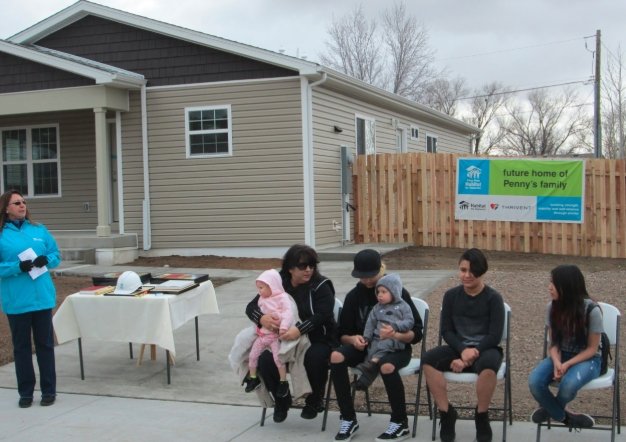
Homes Built With Sweat, Sold Without Interest
Habitat’s model isn’t charity. It’s cooperation. Families apply, go through a vetting process, then commit to hundreds of hours of “sweat equity.” They’re on-site, hauling lumber, painting walls, or passing tools. And once the build is complete, they buy the home — not receive it — but on uniquely fair terms.
Here’s how it works:
-
Zero percent interest: Families don’t pay interest on their mortgage.
-
Reduced monthly payments: Because there’s no profit margin, payments are often half the typical rent.
-
Permanent affordability: Buyers commit to maintaining the home as their primary residence.
“Families that get these homes are the people who make the community run,” Adams said. “They’re your kids’ daycare providers, your barbers, the grocery store clerks.”
Mesa County’s Housing Crunch Is Getting Real
Affordable housing isn’t a new concern in Colorado, but in Mesa County, it’s reaching critical levels. Rental prices are climbing, property values are spiking, and wages are struggling to keep up.
For families on low to moderate incomes, homeownership is often out of reach. Even decent rentals can eat up over 40% of their income. That’s where organizations like Habitat come in — trying to fill the widening gap.
One sentence. No frills. Just this: Mesa County needs more homes people can actually afford.
This Year’s Build: Small Team, Big Impact
The Mesa County chapter may be small, but their impact is outsized. In the past year alone, they’ve finished four homes. And their target for next year? Six new builds, an ambitious goal considering the costs and limited manpower.
Despite inflation and construction material shortages still hanging over from pandemic disruptions, they’re moving ahead.
Micah Adams again: “It’s never easy. But we don’t stop. Every home means another family is stable, another child has a safe bedroom, another block has more community.”
The math may be slow, but the mission is steady.
Why This Isn’t Just About One Family
Habitat for Humanity homes don’t just change one life. They often spark ripple effects.
When someone owns their home, they’re more likely to:
-
Stay long-term in the neighborhood
-
Invest in local schools and businesses
-
Improve property upkeep
-
Become more civically engaged
Mesa County data shows that Habitat homeowners have a 98% retention rate in their properties over 10 years. For an area where many renters move yearly chasing affordability, that stability is rare.
And the longer a family stays, the stronger the neighborhood becomes.
Volunteer-Led, Community-Funded, Always Personal
Habitat for Humanity doesn’t operate on huge government grants or billionaire funders. Most of their work is local — funded by donations, built by volunteers, and led by neighbors who just want to help.
You’ll find retirees swinging hammers, teenagers doing paint touchups, and local business owners stopping by with lunch or supplies.
It’s slow work. Messy work. But it’s real.
They don’t hire contractors for everything. They roll up their sleeves and build together. For some, it becomes a tradition.
“We’ve had families come back to help build the next home, years after they got theirs,” Adams noted. “It’s community lifting itself up.”
The Path Ahead: Six Homes, Six Families, and One Urgent Need
Mesa County’s Habitat chapter isn’t slowing down. Their goal for the coming year — six new homes — will stretch them thin.
They’ll need more hands, more funding, and probably more patience than ever. Land isn’t cheap. Neither is lumber or plumbing or drywall. But with housing pressures only intensifying, waiting isn’t an option.
Each build starts the same way: a plot of land, a selected family, and the hope that volunteers show up. They almost always do.
As Adams put it: “This isn’t about building houses. It’s about building Mesa County.”