
Kids are excited to jump into pools, lakes, and rivers as temperatures rise. But for parents, the season comes with a serious reminder: water can turn dangerous in seconds — especially for young children.
The American Red Cross is sounding the alarm in Grand Junction and beyond, calling on families to take water safety seriously this summer. Drowning remains the number one cause of death for kids aged one to four. And yet, most of these tragedies can be prevented.
Swim lessons save lives — and confidence
Christie Caster doesn’t mince words. “Swim safety is super important for children,” she says. As Executive Director of the Western Colorado Chapter of the American Red Cross, she sees the data up close. And it’s heartbreaking.
One sentence hits hardest: drowning kills more toddlers than any other cause.
Caster explains that kids who know how to swim — even just the basics — are far safer around water. “Knowing how to swim, having basic swim skills, and information about water safety can actually reduce the risk of drowning by 88%.”
That’s a staggering number. And it means that lessons don’t just build skills. They save lives.
It doesn’t matter if it’s the local rec center or a certified swim school. What matters is that kids get time in the water before the pool parties and rafting trips begin. The American Red Cross even has a free education program called WHALE Tales, teaching kids water smarts in a fun, age-appropriate way.
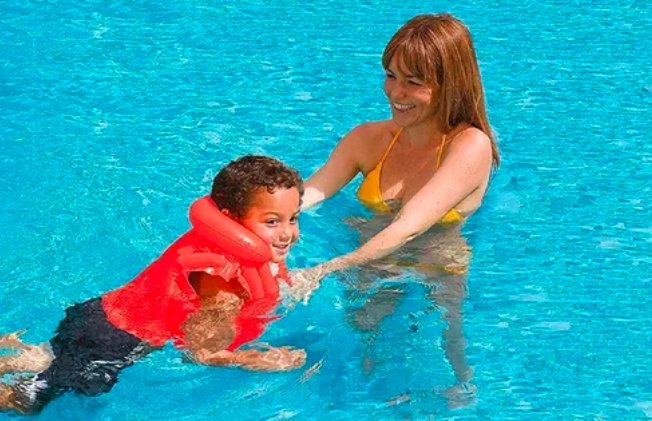
Don’t just supervise. Watch like a hawk.
Let’s get something straight. Being near the pool isn’t the same as watching your kid swim.
“Supervision” often means a parent scrolling their phone while kids splash around. But real vigilance means eyes on the water — every second.
Caster puts it bluntly: “Never leave them alone.”
Even strong swimmers can get tired or caught off guard. And for little ones, it takes only moments. No shouting. No splashing. Just silence — and that’s the scariest part of drowning. It’s often quiet.
So parents, stay sharp. Assign a designated “water watcher.” Switch off with your partner or friend. But don’t assume someone else is looking.
Life jackets are more than a summer accessory
Not every body of water is a pool. And not every day is calm.
On rivers, lakes, or boating trips, life jackets are a must — and not just for show.
-
Make sure it’s Coast Guard approved
-
Check the fit: snug around the chest, no slipping over the head
-
Use age-appropriate designs for toddlers and young kids
-
Never replace jackets with inflatable toys or floaties
And yes, on rivers, it’s the law. “The water’s so swift, and unpredictable,” Caster warns. “It’s just not worth the risk.”
Even if your child’s an okay swimmer in a pool, natural water is a different beast. Cold water shock, currents, and slippery rocks can throw them off balance fast.
CPR isn’t just for emergencies — it’s preparation
Let’s talk about the thing every parent fears but needs to face: what if something goes wrong?
You call 911. But what do you do until they arrive?
That’s where CPR comes in. It’s not just a checkbox for lifeguards or coaches. It’s something every parent should know — especially during summer.
“You’re going to feel prepared to be able to respond in that situation,” Caster says. And that feeling can make all the difference when panic hits.
In the Grand Valley, CPR classes are offered through multiple groups — including the Red Cross. They’re short, affordable, and hands-on. And they could mean the difference between life and death.
Here’s how to prep for water fun — without panic
Keeping kids safe doesn’t have to mean sucking the fun out of summer. A little prep goes a long way.
Here’s what local Red Cross leaders recommend before your next pool day:
| Safety Step | Why It Matters |
|---|---|
| Swim Lessons | Teaches confidence, reduces drowning risk by 88% |
| CPR Certification | Gives parents the tools to act in an emergency |
| Life Jackets on Rivers | Legally required, protects in fast-moving water |
| Supervision at All Times | Prevents silent drownings, especially in young kids |
| Use Certified Instructors | Ensures proper swim training and technique |
That last point? It’s more important than people think. Not all swim lessons are created equal. Certified instructors — especially those through recreation centers or accredited programs — follow structured methods that are proven to work.
And don’t forget the WHALE Tales program. It’s free, fun, and teaches kids how to respect water from a young age. Find it on the Red Cross website — no signup needed.
Drowning doesn’t look like drowning
It’s worth saying again: drowning is often silent. No screams. No flailing arms. Just slipping under — and gone.
That’s what makes all this prep so vital. Because by the time you notice, it may already be too late.
So teach your kids. Watch them. Strap the jacket on, even if they complain. Take the CPR class, even if you think you’ll never use it.
One quiet moment shouldn’t turn into tragedy.
And don’t worry — kids will still have a blast. They’ll splash, laugh, cannonball into the deep end, and float on their backs like little otters. But they’ll do it safely. And that’s what matters.