
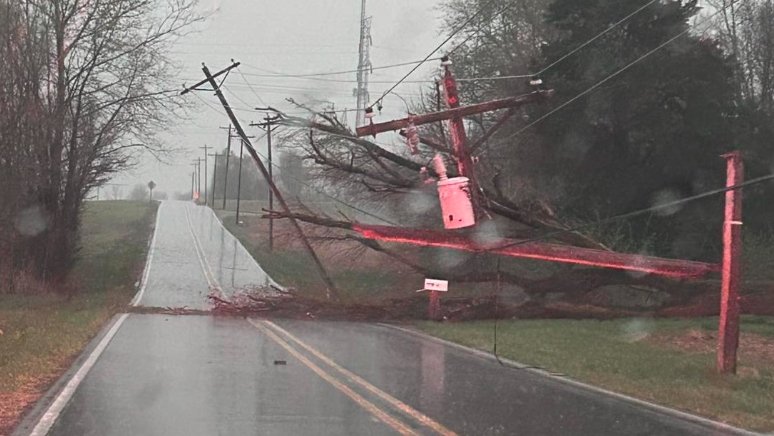
Indiana is still reeling from recent severe weather and strong winds, and Attorney General Todd Rokita is sounding the alarm about a growing wave of scams targeting those affected by the storms. Rokita urges residents to be on high alert as scammers exploit the chaos to take advantage of vulnerable Hoosiers.
These scams aren’t new, but they become especially ruthless after disasters. The attorney general’s office warns that con artists are disguising themselves as government agents, insurance reps, or repair contractors to swipe personal information or demand upfront payments for services that might never materialize.
Scammers Preying on Storm Victims in Multiple Ways
Storms bring out the worst in some people. Rokita points out several common tactics that scammers use after a natural disaster hits:
-
Fake disaster relief charities pop up, begging for donations that vanish into thin air.
-
Individuals impersonate FEMA, insurance companies, or government officials to trick victims into handing over sensitive personal or financial data.
-
Repair scams are rampant, with offers to fix damages—but only after taking large upfront payments, which often leads to shoddy work or no work at all.
The bottom line? Anyone looking to help after a disaster might actually be a scammer in disguise.
How to Spot a Scam and Protect Yourself
It’s not all doom and gloom, though. There are clear ways to avoid getting caught in these traps. Rokita’s office has issued practical advice for Hoosiers trying to rebuild:
First off, always check contractors thoroughly. That means digging into references and reading online reviews. The Better Business Bureau is a good place to start. Never rush into hiring someone just because they show up at your door or seem desperate to work.
Also, demand proof of credentials. Legitimate contractors should have proper licenses, IDs, and insurance paperwork. If they hesitate or refuse, that’s a red flag.
Written agreements are a must. Don’t settle for verbal promises. Everything—scope of work, payment terms, deadlines—should be on paper to protect yourself later on.
Getting multiple estimates is a smart move. It helps you gauge if the prices offered are fair or suspiciously high. Remember, if a deal sounds too good to be true, it probably is.
Watch how you pay. Avoid wire transfers, gift cards, cryptocurrency, or cash payments. Scammers love these methods because they’re almost impossible to trace. And absolutely never pay the full amount upfront.
Lastly, be aware FEMA doesn’t charge for applications or disaster assistance. If someone asks for fees, it’s a scam.
A Closer Look at Fraud Trends After Disasters
The Indiana Attorney General’s warnings come amid a nationwide trend of rising fraud after storms. Data from the Federal Trade Commission shows that disaster-related scams spike sharply after hurricanes, tornadoes, or flooding.
Here’s a quick breakdown of typical scam patterns post-disaster:
| Scam Type | Common Tactics | Impact on Victims |
|---|---|---|
| Fake charities | Soliciting donations for nonexistent causes | Financial loss, emotional distress |
| Impersonation schemes | Posing as officials to steal info | Identity theft, loss of personal data |
| Repair frauds | Taking upfront payments without completing work | Financial loss, property left in disrepair |
With these scams on the rise, public awareness is critical. Rokita’s office says that most victims can avoid scams by staying skeptical and verifying before acting.
Reporting Suspected Scams and Seeking Help
If you think you’ve been targeted or scammed, don’t stay silent. The Attorney General’s office is ready to assist Hoosiers. You can file a complaint online at indianaconsumer.com or call 1-800-382-5516. Rokita stresses that prompt reporting helps law enforcement track down scammers and protect others.
While the road to recovery after a storm can feel overwhelming, staying alert can make a big difference. Remember, those trying to take advantage of your misfortune are not your friends. Take precautions, ask questions, and protect your hard-earned money and personal information.