
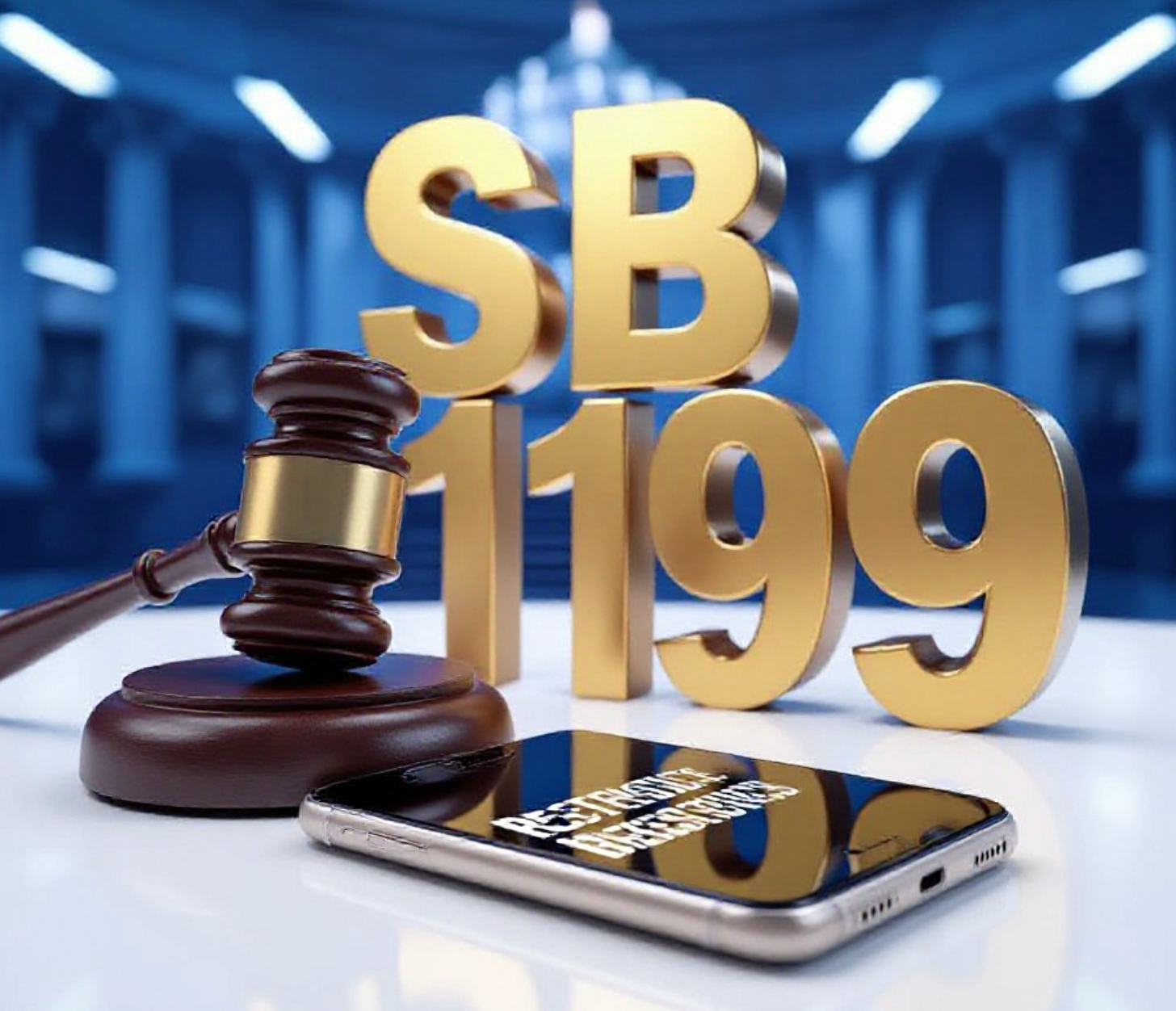
A controversial Indiana education package designed to reshape both youth online safety and higher education passed the House Tuesday. The sweeping legislation restricts social media access for minors while simultaneously threatening to cut college degrees deemed financially unviable. The 67-28 party-line vote sends Senate Bill 199 back to the opposing chamber, setting the stage for a final legislative showdown.
Parental Consent Mandate for Teens Under Seventeen
The legislation places strict new guardrails on how Indiana teenagers interact with the digital world. Under the amended bill, Hoosiers under the age of 17 must obtain verifiable parental consent to open or maintain accounts on social media platforms featuring “addictive” algorithms.
House sponsor Rep. Bob Behning, R-Indianapolis, emphasized that the regulations are designed to be “fairly narrow.” The bill targets giants like Facebook, Instagram, and TikTok, which utilize algorithmic feeds to keep users engaged for long periods. However, Behning noted that the language was specifically amended to exclude messaging-centric apps that do not rely on these addictive loops.
“Clearly, this doesn’t hit everybody. There’s a significant number of apps out there… We’ve deliberately tried to keep the universe relatively tight,” Behning stated.
The age threshold was raised from 16 to 17 during floor amendments Monday, broadening the scope of minors protected under the act. Supporters argue this is a necessary step to combat the mental health crisis affecting today’s youth.
State Authority Over Low Earning University Degrees
While the social media provisions garnered some bipartisan interest, the bill’s second prong sparked fierce debate. The legislation grants the state new authority to review and potentially eliminate public college degree programs if graduates do not earn enough money.
The benchmark for these cuts is strict. Degree programs could be on the chopping block if the median earnings of their graduates fall below the median earnings of Indiana residents with only a high school diploma. This puts several humanities and arts disciplines at immediate risk.
Programs Potentially Facing Elimination:
- Performing Arts: Dance, Music, and Theater majors often have lower initial earnings.
- Humanities: Philosophy and certain History tracks.
- Cultural Studies: African American Diaspora studies and Gender studies.
Rep. Jim Lucas, R-Seymour, defended the measure as a consumer protection act against crippling debt. “We have a student loan crisis in this country,” Lucas argued. “If we can give students better information and keep them from taking on debt for a degree that doesn’t lead to a sustainable wage, then we ought to do that.”
Legislative Clash Over Micromanaging Public Institutions
Democrats largely opposed the bill, arguing that the state is overstepping its boundaries. While many agreed with the intent to protect children online, they could not support what they viewed as an attack on academic freedom.
Rep. Ed DeLaney, D-Indianapolis, voted against the package despite calling the social media portion “a good piece.” He criticized the combination of the two topics, suggesting the degree review carried too much “baggage.”
“I didn’t know that in the legislature, we’re the business of snatching dreams,” said Rep. Renee Pack, D-Indianapolis. She pressed sponsors on whether specific programs like African American studies would survive, fearing the bill effectively tells students that their passions are invalid if they are not immediately lucrative.
Rep. Matt Pierce, D-Bloomington, echoed these sentiments, accusing lawmakers of “micromanaging” universities. He questioned why the General Assembly does not trust the university trustees—majority-appointed by the Governor—to manage these decisions. “Not everyone goes to college for a specific career—many go there to find their career,” Pierce added.
Senate Showdown and Constitutional Concerns
The bill’s future remains uncertain as it returns to the Senate. The upper chamber previously stripped similar social media bans from earlier legislation, signaling a potential conflict.
There are also procedural hurdles regarding “germaneness”—a legislative rule requiring bill amendments to be relevant to the original subject. Because Senate Bill 199 began as an education bill, adding social media regulations could be challenged. Rep. Behning acknowledged these concerns could jeopardize the social media language during final deliberations.
Supporters like Rep. Joanna King, R-Middlebury, remain firm that the bill is constitutional and necessary. “This is about protecting kids and giving parents tools, not about taking something away,” she said, rejecting arguments that the bill limits free speech.
The Indiana Senate must now decide whether to accept the House’s sweeping changes or push for a conference committee to hash out the differences.
Summary: Indiana House lawmakers passed Senate Bill 199, a two-pronged bill requiring parental consent for social media users under 17 and mandating the review of college degrees with low financial returns. While Republicans frame it as necessary protection for children and consumers, Democrats blast the higher education cuts as government overreach that threatens the arts and humanities. The bill now heads back to the Senate, where its fate hangs on procedural rules and ideological disagreements.
Do you think the government should decide which college degrees are valuable based on earnings? Share your thoughts in the comments below using #IndianaBill if you are discussing this on social media.