
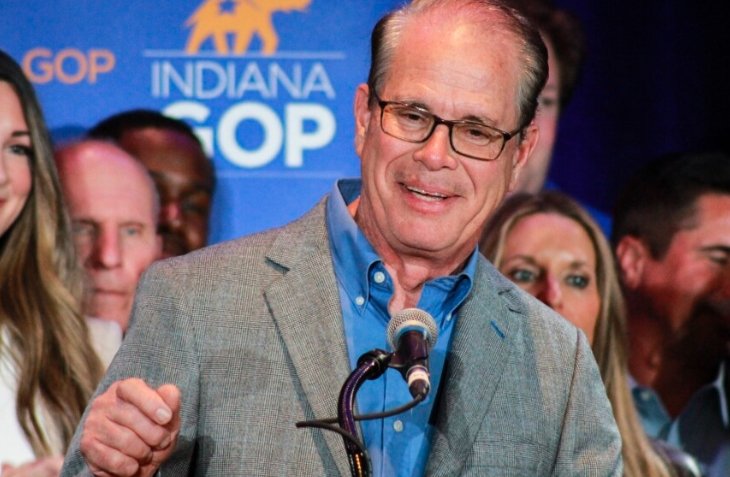
Indiana Governor Mike Braun plans to summon state lawmakers back to the Statehouse for a special session on redistricting as early as next week. This move comes amid heavy pressure from the Trump administration to redraw congressional maps before the 2026 midterms and shift the balance of power in the U.S. House.
The Push for Mid Decade Redistricting
Governor Braun holds the power to convene the General Assembly outside its regular schedule. Reports from multiple insiders point to an announcement possibly coming Monday before the Indiana GOP’s Fall Dinner event. The session aims to tackle a plan that could reshape Indiana’s nine congressional districts.
Lawmakers might convene in early November, well ahead of the legislature’s Organizational Day on November 18. That ceremonial start to the next session could double as a voting day if needed. Braun has voiced support for redistricting in past statements, though his office stayed quiet on specifics this time.
This effort builds on months of discussions within Republican circles. It follows visits from Vice President JD Vance and direct calls from President Trump to key figures. The goal seems clear: turn Indiana’s current seven Republican held seats into a clean sweep of all nine.
Trump’s Role in Indiana’s Political Shift
President Trump has lobbied hard for states like Indiana to adjust maps mid cycle. His administration sees this as a way to bolster GOP control in the House after the 2024 elections. In Indiana, the focus falls on the two Democratic held districts in the northwest and central parts of the state.
Vance’s recent trip to Indianapolis included meetings with Braun and legislative leaders. Trump himself reached out to senators who hesitated on the idea. This national push mirrors actions in states like North Carolina, where similar plans advanced, but Indiana’s path looks rockier due to internal party doubts.
Experts note that such redraws could lock in advantages until the 2030 census. Trump’s strategy aims to counter perceived Democratic gains elsewhere, like in California. Yet in Indiana, it risks sparking backlash from voters who value fair play in elections.
- Key Trump administration actions in Indiana:
- Multiple visits by VP JD Vance to rally support.
- Direct phone calls from President Trump to GOP senators.
- Coordination with national GOP figures at events like the Indiana Fall Dinner.
Lawmaker Reactions and Party Divisions
Republican leaders in the Indiana Senate recently admitted they lack the votes to pass redistricting right now. Senate Majority Leader Rodric Bray highlighted the shortfall just days ago. Still, Braun presses forward, betting on shifting opinions among his party.
Some GOP lawmakers, like State Representative Andrew Ireland, cheer the move as a chance to oust “radical Democrats.” Lieutenant Governor Micah Beckwith echoed that sentiment online, pushing for a 9 0 Republican lineup. On the flip side, former Governor Mitch Daniels urged resistance, calling it a risky overreach.
Democrats view this as blatant gerrymandering that dilutes minority voices. Groups like the Indiana Democratic Party have gathered thousands of signatures against it. Black legislative caucuses condemned the plan for potentially weakening voting power in urban areas.
Public polls show broad opposition, even among Republicans. A recent survey found 68 percent of GOP primary voters against a mid decade redraw. Social media buzz on platforms like X and Reddit reveals Hoosiers urging reps to say no, with protests planned if the session happens.
| Current Indiana Congressional Seats | Proposed Changes Under Redistricting |
|---|---|
| Republicans: 7 districts | Republicans: Potentially 9 districts |
| Democrats: 2 districts (e.g., 1st and 7th) | Democrats: 0 districts |
| Based on 2020 census maps | Aimed at 2026 midterms advantage |
Potential Impacts on Hoosier Voters and Elections
If approved, new maps could flip seats held by Democrats like Angie Craig in the 7th District and Pete Visclosky’s successor in the 1st. This would strengthen Republican holds in rural and suburban areas while packing Democratic voters into fewer zones. Analysts predict it could add two GOP seats nationally, tipping House control further right.
For everyday Hoosiers, this means less competitive races and voices that better reflect local needs. Rural voters might see stronger representation on farm issues, but urban ones could lose sway on city concerns. The change ties into broader trends, like recent immigration enforcement orders from Braun that align with Trump priorities.
Tying this to other events, it echoes Texas’s 2021 redraw that added five Republican seats amid national outcry. In Indiana, it could fuel turnout in 2026 or spark lawsuits over fairness. Legal challenges loom large, given the state’s constitution links redistricting to the decennial census.
Challenges Ahead for the Special Session
Constitutional hurdles stand in the way. Indiana’s rules tie map changes to census years, and past opinions from attorneys general deem mid cycle shifts invalid. Groups plan immediate court fights if maps pass, citing Voting Rights Act violations in diverse counties like Marion and Lake.
Timing adds pressure. Lawmakers face a tight window before the 2026 primaries. If the session drags, it might clash with holiday breaks or budget talks. Braun’s optimism hinges on more senators coming around, but divisions persist.
Opponents, including labor unions and voting rights advocates, warn of eroded trust in democracy. They point to nationwide polls showing most Americans oppose partisan map drawing. As the session nears, watch for protests at the Statehouse and heated floor debates.
This redistricting battle highlights tensions in a state long seen as solidly red. It tests Braun’s leadership and the GOP’s unity under Trump. Stay informed on how it unfolds, and share your thoughts in the comments below. What do you think this means for Indiana’s future? Like and share to spread the word.