Indiana’s latest budget has axed every dollar previously set aside for trail development and maintenance, leaving outdoor advocates stunned and communities scrambling to respond.
The Next Level Trails program, once seen as a cornerstone of the state’s push for healthy, connected living, is now unfunded—an abrupt pivot that could set local projects back years, if not kill them outright.
A Sudden Blow to Outdoor Connectivity
Trail supporters didn’t expect to lose it all.
In past cycles, Next Level Trails received $7 million to fund expansions, maintenance, and new projects. That funding helped link neighborhoods, parks, schools, and even business districts—especially in Fort Wayne, where local trails have become lifelines for exercise, transport, and tourism.
But this year? Zero. Not a cent.
“This is not just disappointing—it’s dangerous to what we’ve built,” said Kent Castleman, executive director of Fort Wayne Trails. “This funding keeps the wheels turning. Without it, we risk more than just unbuilt trails. We risk losing the momentum of decades.”
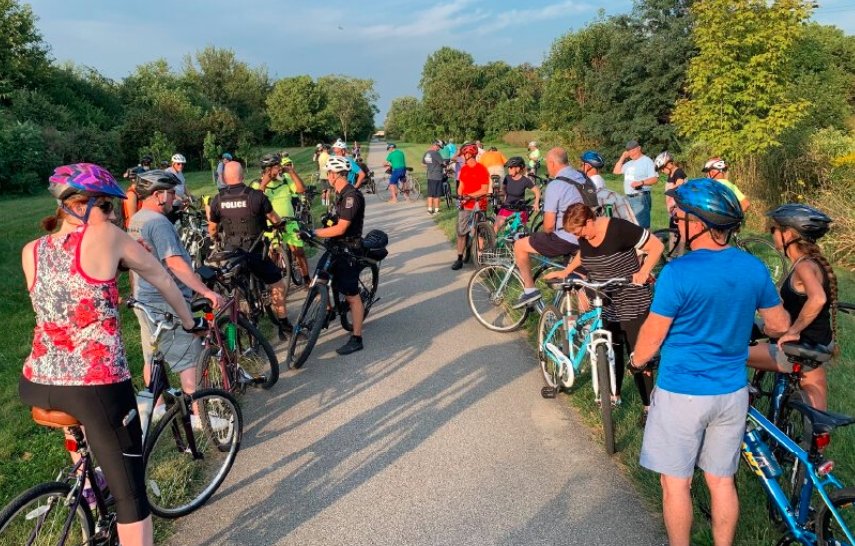
Trails Aren’t Just for Biking
To some, trails are for leisure walks or weekend bike rides. But for many Hoosiers, they’re part of daily life.
Kids use them to walk to school. Cyclists use them to commute. Runners rely on them for training. And during the pandemic? Trails exploded in popularity as the only safe escape from four walls.
Castleman points out that trails do a lot more than get you from A to B.
“They’re connectors,” he said. “They tie communities together—physically, socially, even economically. When you take that away, it’s not just a recreation issue. It’s a public health, business, and equity issue.”
Budget Cuts Come With Real-World Costs
Local officials and nonprofits across Indiana are now figuring out what projects they’ll have to delay, reduce, or abandon altogether.
And it’s not just about building new paths.
A lot of the money from state programs like Next Level Trails goes into fixing wear and tear—erosion, overgrowth, signage damage, and access improvements for wheelchairs or strollers. Without upkeep, even well-loved trails can turn hazardous.
Some communities don’t have other options for recreation.
In small towns where parks are minimal and sidewalks are inconsistent, a trail might be the only safe, flat, car-free place for people to move. When that gets neglected, everyone loses—especially older adults, families with young children, and people without vehicles.
Here’s what trails support beyond just exercise:
-
Local tourism (bike rentals, cafes, event routes)
-
School safety (walkable routes for kids)
-
Small business growth (connected storefronts and markets)
-
Environmental benefits (stormwater drainage, green buffers)
-
Mental health access (free, close-to-home nature)
How Fort Wayne Trails Could Be Affected
Fort Wayne has one of the strongest urban trail systems in the state—over 130 miles and growing. But even with that, it’s not immune.
Castleman said they’ve had plans on the table that now hang in limbo.
One major corridor was supposed to connect the southeast side with downtown—closing a longtime gap that separates communities. The trail would’ve passed near schools, shopping areas, and medical offices. Without state money, that entire route could be shelved.
“We had shovel-ready designs,” Castleman said. “All we needed was the green light. Instead, we got red lights across the board.”
He also warned that maintenance teams will be stretched thin.
“You can’t just build a trail and walk away. They need love. They need funding. Otherwise, people stop using them—and then what was the point?”
Communities Rally to Pressure Lawmakers
The Fort Wayne Trails team isn’t giving up. Castleman is urging residents to contact their state reps now—not next year, not next session. Now.
“We need to start today if we want to see a reversal in the next budget cycle,” he said. “This isn’t just our fight. It’s everyone’s.”
To make that easier, the group has created a web form that sends a message directly to legislators. They’re also partnering with bike clubs, neighborhood associations, and health organizations to spread the word.
One parent, who walks her child along the trail near Foster Park every morning, said she’d be heartbroken to see it fall into disrepair.
“This is part of our routine, part of our bonding time. It’s not just a path—it’s part of our lives.”
A Budget That Misses the Forest for the Trails?
So what gives? Why the full cut?
Lawmakers haven’t been too vocal about the decision. Some speculate that broader budget tightening forced tough choices. Others say it reflects a shift away from local infrastructure in favor of big-ticket transportation or security priorities.
Still, trail advocates argue this cut won’t save much—and will cost far more in the long run.
Here’s how trail funding stacked up over recent years:
| Year | Next Level Trails Allocation | Impacted Projects |
|---|---|---|
| 2020 | $5 million | 17 projects |
| 2021 | $7 million | 22 projects |
| 2022 | $7 million | 20 projects |
| 2025 | $0 | 0 projects |
The numbers don’t lie.
$7 million out of a multi-billion-dollar state budget is a rounding error. But for towns relying on trail grants, it’s the entire playbook.
Looking Ahead With Empty Pockets
Indiana’s trail community isn’t sitting idle. But the outlook, for now, is rough.
Grants have dried up. Crews are waiting. Projects are paused. Trailheads are getting overgrown. All while residents are still walking, biking, and pushing strollers every day—expecting a safe path.
And Castleman’s message is clear: “We’re still here. But we can’t do it alone.”