
Archaeologists in Turkey have uncovered the remains of at least seven infants near a mysterious circular structure at the Uşaklı Höyük site. This 2025 discovery, linked to the ancient Hittite civilization, raises questions about burial customs and rituals from over 3,000 years ago.
Key Details of the Discovery
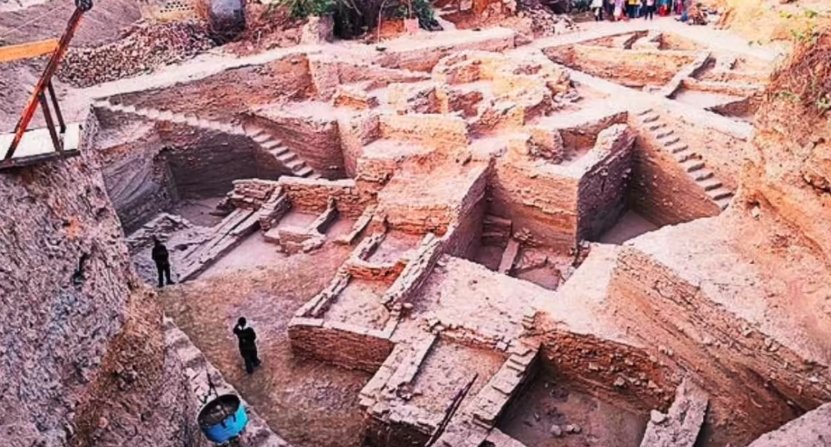
Experts from the University of Pisa and other teams dug into the Uşaklı Höyük mound in central Turkey during the latest excavation season. They found infant bones mixed with ash, animal remains, and broken pottery pieces close to a large stone feature.
These finds date back to the second millennium BCE, a time when the Hittite Empire ruled much of Anatolia. The remains include a nearly complete baby skeleton and parts from six others, such as a small tooth. Unlike typical graves, these deposits seem placed on purpose without formal burial pits.
The site sits in Yozgat province, about 150 kilometers east of Ankara. Diggers first spotted the circular structure in prior years, but this season revealed its ties to the infant remains.
The Mysterious Circular Structure
This feature measures around 10 meters across and shows signs of long-term use and repairs. Built with large stones, it likely served a special role in Hittite society.
Archaeologists note that the structure held up through centuries, with layers of soil and pavement added over time. The infant remains appeared in the fill covering one of these pavements, suggesting a direct link.
Experts believe it could be part of a larger complex, possibly the lost city of Zippalanda, a holy place mentioned in Hittite texts. More digs are needed to confirm this idea.
Ongoing studies aim to map the full layout and test materials for age and origin.
Clues to Hittite Burial Customs
In ancient Near Eastern cultures, child burials often differed from adult ones. Hittites might have treated infants in unique ways, especially if they died young.
The deposits at Uşaklı Höyük mix human bones with animal parts and ceramics, hinting at rituals rather than simple graves. Written records from the era lack details on such practices, making this find valuable.
Possible reasons for these burials include:
- Ritual offerings tied to religious beliefs
- Special treatment for children who died in infancy
- Links to fertility or protection ceremonies
Animal bones suggest feasting or sacrifices happened nearby. Ash layers point to fire use, perhaps in ceremonies.
This setup contrasts with known Hittite cemeteries, where adults received more structured burials.
| Aspect | Description | Significance |
|---|---|---|
| Location | Uşaklı Höyük, central Turkey | Potential site of ancient Zippalanda |
| Time Period | Second millennium BCE | Peak of Hittite Empire |
| Key Finds | Seven infant remains, ash, animal bones, ceramics | Suggest ritual deposits |
| Structure Type | Circular stone feature | Possible religious or ceremonial use |
Historical Context of the Hittites
The Hittites built a powerful empire from about 1600 to 1180 BCE, controlling trade routes and clashing with Egypt. Their capital, Hattusa, lies not far from Uşaklı Höyük.
Religion played a big role in Hittite life, with gods linked to storms, mountains, and cities. Sites like this one might have hosted festivals or offerings.
Recent digs in Turkey, such as at Göbekli Tepe, show Anatolia’s rich prehistory. This new find adds to that story, connecting Neolithic roots to Bronze Age powers.
Experts compare it to other infant burial sites in the region, where children sometimes rested under home floors for family ties.
Ongoing Excavations and Future Insights
The 2025 season builds on work started in 2008 by Italian and Turkish teams. They use modern tools like ground-penetrating radar to explore without full digs.
Plans include DNA tests on the remains to learn about health, diet, and family links. This could reveal if the infants shared causes of death or came from the same group.
International experts will analyze the ceramics for trade clues, showing Hittite connections to neighbors.
As climate change affects sites, quick action preserves these treasures.
What This Means for Modern Archaeology
This discovery sheds light on forgotten Hittite ways, filling gaps in history books. It reminds us how ancient people handled loss and faith.
Similar finds in 2025, like genetic studies on early sheep in Turkey, highlight Anatolia’s role in human progress.
Experts hope more evidence will explain the circular structure’s purpose and the infants’ fate.
Share your thoughts on this ancient mystery in the comments below, and spread the word to fellow history fans.