As Labor Day weekend approaches in 2025, millions of Americans plan outdoor fun with barbecues, beach trips, and drinks. But experts warn that mixing certain medications with sun exposure or alcohol can lead to serious health issues, from severe sunburns to emergency room visits.
A recent study by medication management company DrFirst reveals that 47 percent of Americans have faced unexpected reactions to sun or alcohol due to their prescriptions. With Labor Day falling on September 1 this year, health professionals urge people to check their meds before heading out.
Common Medications That Increase Dangers
Many everyday drugs can heighten risks during sunny weekends. Antibiotics like doxycycline and ciprofloxacin often cause photosensitivity, making skin burn faster under sunlight.
Blood pressure pills, such as diuretics, can lead to dehydration when combined with heat or alcohol. Acne treatments, including retinoids, also boost sun sensitivity, raising chances of rashes or blisters.
Pain relievers like ibuprofen fall into this group too. They may worsen heat intolerance, especially for older adults or those with heart conditions.
Even over the counter options, such as antihistamines, can amplify effects. Decongestants and some diabetes medications add to the list, based on reports from health organizations.
How Sun Exposure Amplifies Medication Side Effects
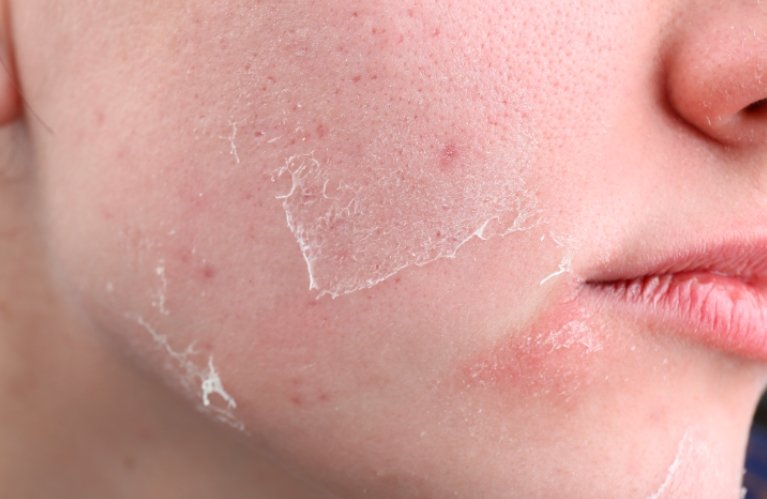
Sunlight can trigger chemical reactions in the body when paired with specific drugs. This leads to phototoxic or photoallergic responses, where skin becomes inflamed or itchy after minimal exposure.
For instance, people on antidepressants like sertraline might overheat quickly, as these meds affect how the body regulates temperature. A 2024 FDA update highlights that such interactions cause thousands of ER visits each summer.
Experts note that symptoms appear fast, often within hours of sun time. These include redness, swelling, or even hives that mimic severe allergies.
Staying hydrated helps, but avoidance is key. Recent data from health studies shows a 15 percent rise in sun related medication issues during holiday weekends like Labor Day.
In extreme cases, prolonged exposure can lead to heatstroke. This risk jumps for those on multiple prescriptions, according to pharmacy association findings.
The Perils of Mixing Meds with Alcohol
Alcohol can intensify medication side effects, turning a casual drink into a health hazard. During Labor Day gatherings, where beer and cocktails flow, this combo becomes common.
Blood pressure medications mixed with booze may cause dizziness or fainting. The interaction drops blood pressure sharply, especially in hot weather.
Antibiotics and alcohol often lead to nausea or rapid heartbeat. Studies indicate this pairing weakens the drug’s effectiveness while boosting toxicity.
For those on antidepressants or antipsychotics, alcohol can worsen drowsiness or impair judgment. A 2025 report from a major health network links this to increased accident rates over holidays.
Even moderate drinking matters. Experts say one or two drinks can trigger issues if meds are involved.
Real Life Stories and Recent Warnings
Personal accounts highlight the stakes. One woman on doxycycline suffered severe burns after a short beach walk, as shared in online health forums this summer.
In a 2025 news alert, officials in California banned alcohol on some rivers during Labor Day to cut risks, citing past incidents involving med interactions.
A pharmacist in Colorado recently warned that only 20 percent of patients discuss risks with providers. This echoes the DrFirst study, where 52 percent check labels but miss key details.
Communities see spikes in calls to poison centers during such weekends. Data from 2024 shows a 25 percent increase in inquiries about med sun reactions.
These stories underscore the need for awareness. Health apps now offer quick checks, helping users stay informed.
Expert Tips to Stay Safe
Health leaders like Dr. Colin Banas from DrFirst advise consulting pharmacists before weekends. They can spot potential issues fast.
Use tools for instant info on drug interactions. This empowers people to make smart choices.
Here are key prevention steps:
- Apply broad spectrum sunscreen with SPF 30 or higher every two hours.
- Wear protective clothing, hats, and seek shade between 10 a.m. and 4 p.m.
- Limit alcohol and stay hydrated with water.
- Check med labels for warnings about sun or booze.
For quick reference, consider this table of common meds and risks:
| Medication Type | Sun Risk | Alcohol Risk |
|---|---|---|
| Antibiotics (e.g., doxycycline) | High photosensitivity, burns | Nausea, reduced effectiveness |
| Blood Pressure Meds | Dehydration, overheating | Dizziness, low blood pressure |
| Antidepressants | Heat intolerance | Increased drowsiness |
| Acne Treatments | Skin rashes | Liver strain |
| Pain Relievers (e.g., ibuprofen) | Sun sensitivity | Stomach issues |
Why Awareness Matters This Labor Day
Education cuts risks sharply. With rising temperatures and more outdoor events in 2025, proactive steps save lives.
Groups like the American Pharmacists Association push for better labeling. Their campaigns aim to boost the low 20 percent who seek advice.
Simple habits, like timing meds away from sun hours, make a difference. This ensures fun without fear.
Share this article with friends planning Labor Day trips, and comment below on your experiences with med risks. Your stories could help others stay safe.