Researchers using advanced laser technology have just revealed more than 61,000 ancient Maya structures buried under the thick jungle in northern Guatemala. This major discovery, announced on September 12, 2025, shows that the Maya civilization was far larger and more connected than experts once believed.
How LiDAR Technology Changed Everything
LiDAR, or light detection and ranging, sends out laser pulses from aircraft to map the ground below dense forest cover. In this latest survey, teams scanned over 800 square miles and found hidden roads, farms, houses, and massive pyramids that stayed unseen for centuries.
The project involved experts from Tulane University and other groups. They fired about 15 laser pulses per square meter to create detailed 3D maps. This method peeled back the jungle layer without cutting a single tree.
Unlike old ground surveys that missed big areas, LiDAR spots features as small as a few feet across. It has transformed how archaeologists study lost civilizations. Now, with this data, scientists can plan targeted digs and protect sites from harm.
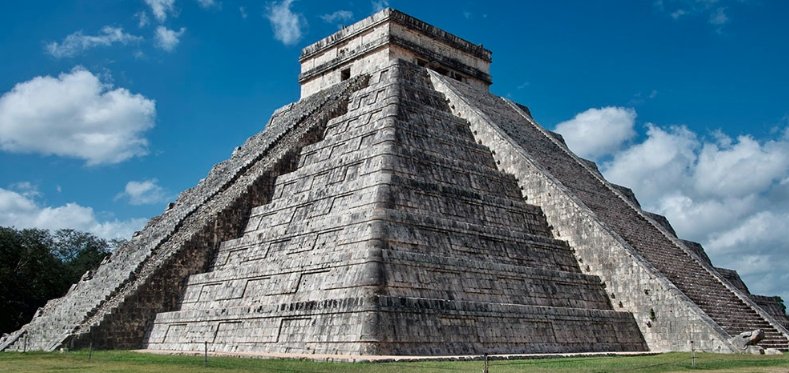
Key Discoveries from the Jungle Scan
The scan uncovered a vast network of raised highways linking cities, proving the Maya built complex transport systems. Experts now think the population in this region could have reached up to 16 million at its peak during the Classic Period from 250 to 900 AD.
Among the finds are defensive walls, irrigation canals, and agricultural terraces that show advanced farming skills. These structures suggest the Maya altered their landscape on a huge scale to support large groups.
Here are some standout findings from the survey:
- Over 61,000 individual structures, including homes and temples.
- Long causeways stretching miles to connect urban centers.
- Evidence of widespread deforestation for farming and building.
This challenges old ideas that Maya cities were small and isolated. Instead, it points to a bustling society with trade and shared knowledge.
What This Means for Maya History
Historians long thought the Maya lowlands held only a few million people. But this new evidence boosts estimates and shows a highly organized culture. The interconnected sites hint at strong leadership and planning.
Recent studies link these finds to climate changes that may have led to the civilization’s decline around 900 AD. Droughts could have strained resources in such dense areas.
Archaeologists say this opens doors for more research. For example, similar LiDAR work in Mexico last year found even more sites, tying into a bigger picture of Maya influence across Central America.
The data also helps modern efforts to preserve these areas. Governments in Guatemala, Mexico, and Belize are now working on a huge reserve to protect the jungle and its secrets.
Impact on Modern Archaeology
This breakthrough highlights how technology is rewriting history books. LiDAR has been used in places like Cambodia to map Angkor Wat’s surroundings, revealing urban sprawls there too.
In Guatemala, the survey cost millions but saved time and effort compared to manual mapping. Teams can now focus on key spots for excavation.
| Feature | Number Discovered | Significance |
|---|---|---|
| Structures | Over 61,000 | Shows dense population and building activity |
| Highways | Dozens of miles | Proves trade and travel networks |
| Farms and Canals | Thousands | Indicates advanced agriculture to feed millions |
| Defensive Walls | Hundreds | Suggests warfare and protection needs |
Experts predict more discoveries as LiDAR tech improves. Drones and AI could soon make scans faster and more precise.
Future projects might explore how Maya people lived day to day, from diet to rituals. This could fill gaps in our understanding of their calendar, writing, and math skills.
Why This Matters Today
These findings remind us that ancient societies were sophisticated and faced issues like overpopulation and environmental stress, much like today. Learning from the Maya could offer lessons on sustainable living.
The excitement has spread online, with people sharing stories of hidden cities and lost tech. It sparks interest in history and science among young folks.
Share your thoughts on this amazing discovery in the comments below. What do you think the Maya would say about our world now? Spread the word to friends who love history.