Mesa County officials have pushed back the start of the fall burn season in Grand Junction, Colorado, due to ongoing fire risks. This delay, announced on August 30, 2025, stems from strict fire restrictions and dry weather that raise wildfire dangers.
Reasons Behind the Delay
Officials point to a mix of factors for holding off the burn season, which usually kicks off on September 1. Dry conditions and high fire danger have lingered since summer, making any open burning too risky right now.
The No Burn Advisory, first issued in June 2025, remains active. It warns against outdoor fires because of windy and arid weather that could spark fast-spreading blazes. On top of that, Stage 2 Fire Restrictions went into effect on August 15, 2025, across Mesa County and nearby areas like the Grand Mesa National Forest.
These rules ban most open flames to prevent new wildfires. Experts say recent warm spells and low humidity have dried out vegetation, turning it into fuel for potential fires.
Weather patterns show little rain in the forecast, keeping the ground parched. This setup mirrors issues seen in other parts of Colorado and the West, where dry spells have extended fire seasons.
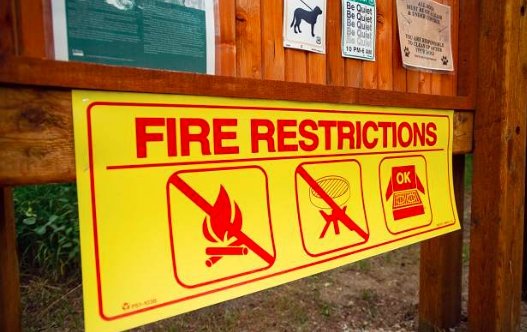
Current Fire Restrictions Explained
Stage 2 restrictions are among the toughest levels, aimed at cutting wildfire threats during extreme conditions. They cover all of Mesa County, including public lands managed by federal agencies.
Under these rules, people cannot use campfires, charcoal grills, or fireworks. Smoking is limited to enclosed areas, and chainsaws need spark arrestors. The goal is to stop accidental sparks in a landscape ready to ignite.
Here is a quick breakdown of key Stage 2 restrictions:
- No open fires or campfires outside developed sites with metal rings.
- Ban on fireworks, explosives, and tracer ammunition.
- Limits on welding or using torches with open flames.
- No smoking except in vehicles, buildings, or cleared areas.
These measures build on earlier Stage 1 restrictions from June 2025, which already curbed some activities in Mesa and Garfield counties.
Fire chiefs and the sheriff’s office worked together to enforce them, citing data from weather services that show high fire danger ratings.
Impact on Local Residents and Farmers
The delay hits homeowners and farmers who rely on fall burns to clear debris and prepare land. Many plan to burn yard waste or agricultural leftovers, but now they must wait.
Residents can still apply for burn permits starting September 1, as usual. However, actual burning stays on hold until officials lift the advisory and restrictions.
This could mean extra costs for waste disposal or delays in land management. In rural areas, where burning is common, people might turn to alternatives like composting or hauling materials away.
Local voices express frustration but understand the need for safety. One farmer noted that last year’s burns went smoothly, but this dry spell changes everything.
Officials promise updates through county websites and social media. They urge patience, saying the delay protects communities from larger disasters.
The broader picture shows similar delays in nearby counties, tying into a trend of extended fire seasons across the Rocky Mountains.
Weather Conditions Fueling the Risks
Dry weather plays a big role in this decision. Mesa County has seen below-average rainfall since spring 2025, with temperatures often above normal.
Monsoon storms brought some moisture in July and August, but not enough to ease the drought. Winds have picked up, spreading any fire quickly.
Forecasts predict continued warmth into September, with low chances for soaking rains. This aligns with patterns seen in recent years, where climate shifts lead to longer dry periods.
Experts track indices like the Keetch-Byram Drought Index, which measures soil dryness. Right now, it sits at high levels, signaling prime conditions for wildfires.
A table below outlines recent weather trends in Mesa County:
| Month | Average Rainfall (inches) | Average High Temperature (°F) | Fire Danger Rating |
|---|---|---|---|
| June 2025 | 0.5 | 92 | High |
| July 2025 | 0.8 | 95 | Very High |
| August 2025 | 0.6 | 93 | Extreme |
These numbers highlight why officials are cautious. Without major rain, the burn season might stay delayed into October.
Looking Ahead and Safety Tips
As Mesa County waits for safer conditions, officials monitor weather daily. They could lift restrictions if cooler, wetter patterns arrive soon.
In the meantime, residents should stay informed and prepare for alternatives. This delay underscores the growing challenges of managing fire risks in a changing climate.
Share your thoughts on how this affects you, and check back for updates on when burning can resume safely.