
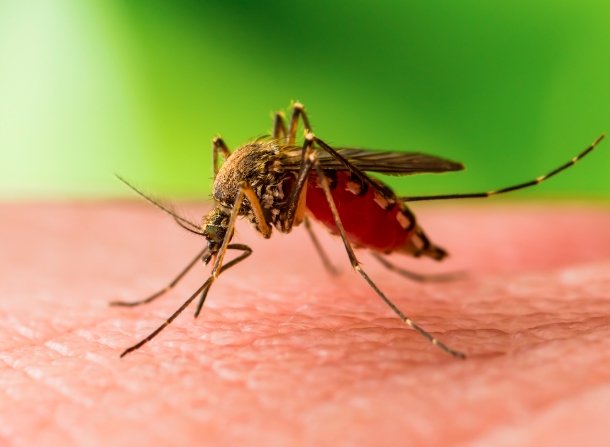
Public health officials in Mesa County, Colorado, confirmed on August 27, 2025, that mosquitoes in Grand Junction tested positive for West Nile Virus. This marks the first detection of the virus in the area this year, prompting quick action from local authorities to curb its spread.
Virus Detection Sparks Concern
The Grand River Mosquito Control District announced the positive tests after sampling mosquitoes from various spots in Grand Junction. Two out of 15 pools sent to a state lab came back positive, signaling a potential risk as summer winds down.
Experts say wet weather has boosted mosquito numbers, especially near irrigated fields and ditches. Tim Moore, the district manager, noted that adult mosquitoes are thriving in these spots. While no human cases have shown up in Mesa County yet, the find raises alarms for residents and visitors.
This comes amid a national uptick in West Nile activity. The Centers for Disease Control and Prevention reported over 100 human cases across the U.S. by mid-August 2025, with states like California and Texas seeing the most. Colorado has logged a few cases statewide, but Mesa County remains clear so far.
Logical reasoning points to climate factors playing a role. Recent heavy rains have created ideal breeding grounds, much like patterns seen in 2024 outbreaks in nearby states. Health teams are watching closely to avoid a repeat of past seasons when cases spiked.
Fogging Operations Set to Launch
In response, the mosquito control district plans to start fogging in high-risk areas. These operations will target adult mosquitoes to lower the population and cut virus transmission risks.
Fogging involves spraying safe insecticides from trucks during evening hours when mosquitoes are active. Officials aim to cover spots with standing water and dense vegetation first. Residents in affected zones will get notices ahead of time.
This step follows similar actions in other counties. For instance, Canyon County in Idaho ramped up spraying after positive tests there in late August 2025. Experts stress that such measures have proven effective in past years, reducing bite rates by up to 50 percent in treated areas.
Moore urged people not to panic but to stay vigilant. The district has increased trapping and testing to track the virus’s movement.
| Area | Positive Samples | Fogging Schedule |
|---|---|---|
| Grand Junction North | 1 | August 29-30 evenings |
| Grand Junction South | 1 | August 30-31 evenings |
| Rural Mesa County | 0 | Monitoring only |
Key Prevention Steps for Residents
Health officials are pushing simple ways to protect against bites. Draining standing water tops the list, as it stops mosquitoes from breeding in backyards.
Wear long sleeves and pants during dawn and dusk, when mosquitoes hunt most. Apply repellents with DEET or picaridin for extra safety.
- Empty water from flower pots, birdbaths, and gutters weekly.
- Fix screens on windows and doors to keep bugs out.
- Avoid outdoor activities at peak mosquito times if possible.
- Use fans outdoors, as moving air deters mosquitoes.
These tips align with CDC guidelines, which have helped drop infection rates in communities that follow them. Families with kids or older adults should take extra care, since they face higher risks from the virus.
Symptoms and Health Impacts
West Nile Virus often causes no symptoms, but some people get fever, headache, or body aches. Severe cases can lead to brain swelling or long-term issues, though rare.
About one in five infected people show mild signs, while one in 150 face serious illness. No vaccine exists, so prevention is key.
Recent events highlight the stakes. In August 2025, a case in Douglas County, Arizona, led to stepped-up warnings. Similar detections in Pinellas County, Florida, prompted chicken testing for early alerts.
Data from 2024 shows Colorado had 50 human cases, with most recovering fully. This year’s lower numbers so far suggest early interventions work.
Broader Outlook and Community Role
As climate change brings more wet spells, experts predict rising mosquito threats. Studies link warmer weather to longer breeding seasons, pushing viruses like West Nile into new areas.
Local leaders are teaming up with state health departments for better monitoring. Public education campaigns aim to build habits that last beyond this season.
Residents play a big part by reporting mosquito hot spots. This community effort has curbed outbreaks in places like Las Vegas, where thousands of infected bugs were found in 2024.
Share this article with friends and family to spread awareness, and drop a comment below on your prevention tips. Your input could help others stay safe this summer.