
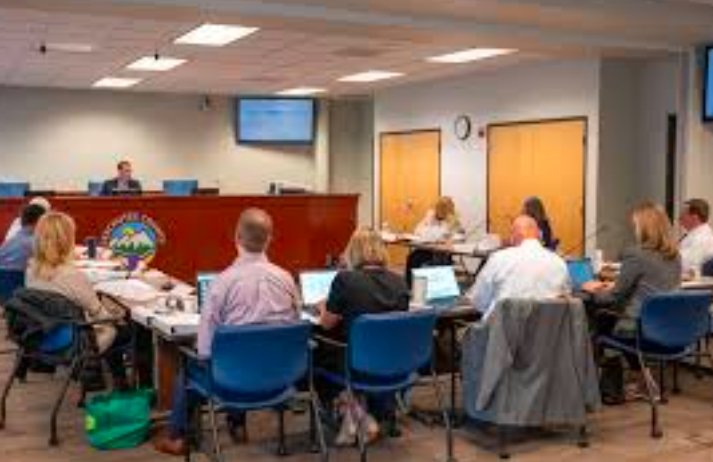
Montrose County commissioners have approved a $126 million budget for 2026, marking a notable cut from the previous year. This decision, made during a public hearing on December 10, 2025, reflects efforts to handle economic pressures while focusing on essential services and infrastructure in western Colorado.
Budget Overview and Key Changes
The new budget totals $126.07 million in appropriations, showing a 9.2 percent drop from the revised 2025 budget of about $116.1 million after adjustments. County leaders say this reduction aims to create a more balanced financial plan amid rising costs and uncertain revenues.
Officials point to careful planning that trims spending without deep cuts to core operations. The budget leaves room for reserves, with projections estimating around $63 million remaining after all expenses. This approach comes as other Colorado counties face similar fiscal challenges, like Mesa County’s recent conservative budgeting amid economic uncertainties.
Commissioners highlighted that the decrease mainly affects capital projects, dropping from $45.9 million in 2025 to $30.6 million now. This shift prioritizes ongoing services over new expansions.
Major Allocations and Investments
A big chunk of the budget goes to building projects, with $27 million set aside for a new north campus facility. This building will bring together key departments to improve efficiency and public access.
The plan also adds five full-time employees to support growing needs in public services. Funding boosts for the District Attorney’s Office will help handle rising caseloads in the region.
Other allocations focus on daily operations and community support. For example, the budget keeps strong support for public health and human resources, ensuring these areas can meet resident demands.
Here is a breakdown of some key spending areas:
| Category | 2026 Allocation (Millions) | Change from 2025 |
|---|---|---|
| Capital Improvements | $30.6 | Down $15.3 |
| North Campus Construction | $27 | New Major Project |
| Employee Additions and Salaries | $4 (estimated for new hires) | Increase for 5 positions |
| District Attorney’s Office | Undisclosed increase | Up to handle caseloads |
| Reserves After Expenditures | $63 (projected) | Stable buffer |
This table shows how the county is reallocating funds to balance cuts with necessary growth.
Reasons Behind the Budget Cut
Economic factors played a large role in the decision to reduce spending. County leaders cited declining revenues from property taxes and other sources, similar to trends seen in nearby areas like Boulder County, where officials recently announced layoffs due to budget shortfalls.
Inflation and supply chain issues have raised costs for construction and operations, forcing a tighter fiscal approach. Commissioners noted that this budget reflects a return to pre-pandemic spending levels, avoiding reliance on one-time federal funds that boosted earlier budgets.
Public input during the hearing showed mixed views, with some residents praising the conservative stance and others worried about potential service impacts. The board stressed that the cuts target less critical areas, protecting essentials like health and safety.
Despite the decrease, the budget supports key priorities. For instance, it aligns with state trends where counties are reprioritizing amid economic slowdowns, much like Grey County’s recent approval of a $301.9 million plan with levy increases.
The process involved months of reviews by department heads, ensuring every dollar serves the community’s best interests.
Impacts on Residents and Services
Local residents can expect steady services in most areas, but the reduced capital spending might slow some infrastructure projects. The new north campus should bring long-term benefits by streamlining government operations and reducing future costs.
Adding employees could improve response times in human services and public health, areas that have seen increased demand post-pandemic. The District Attorney’s funding boost aims to speed up legal processes, addressing backlogs that affect community safety.
However, the budget cut raises questions about potential job impacts. While Montrose County avoided widespread layoffs, other regions like Monroe County in New York recently passed budgets with public safety increases but faced similar revenue dips.
Overall, the plan seeks to maintain quality of life without raising taxes sharply, a common concern in recent Colorado budget discussions.
Some potential effects include:
- Better access to consolidated services at the new facility.
- Possible delays in minor road or facility upgrades due to capital reductions.
- Enhanced legal support for crime-related matters.
These changes reflect a practical response to current economic realities.
Looking Ahead to 2026
The budget takes effect in January 2026, with full details available on the county website for public review. Officials encourage residents to check it out and provide feedback for future planning.
This adoption comes at a time when national budget talks, like debates over federal allocations in the proposed 2026 national budget, highlight similar themes of fiscal caution. Montrose County’s move could serve as a model for other rural areas facing tight finances.
County leaders remain optimistic, noting that strong reserves provide a safety net against unexpected challenges. They plan to monitor economic trends closely and adjust as needed.
What do you think about Montrose County’s budget strategy? Share your thoughts in the comments below or pass this article along to spark discussions with friends and family.