
Montrose County, Colorado, has reported its first death from West Nile virus this year, involving a man in his early 80s who enjoyed spending time outdoors. Health officials confirmed the case on August 26, 2025, highlighting a growing concern as mosquito activity rises across the state during late summer.
Incident Details Emerge
The victim, described as an active outdoors enthusiast, likely contracted the virus from a mosquito bite, though the exact location remains unclear. Local health coordinators noted that they could not reach him in time to gather more specifics about the exposure.
This marks the first confirmed West Nile virus fatality in Montrose County for 2025. Reports indicate the man experienced severe symptoms before passing away earlier this month. County officials have emphasized that areas with standing water, such as golf courses, have seen higher mosquito presence in recent months.
Investigations show that Montrose County has dealt with West Nile outbreaks before. A few years back, the area recorded eight cases, the highest in Colorado at that time. This year’s incident adds to a pattern of seasonal risks tied to warm weather and increased insect activity.
Symptoms to Watch For
West Nile virus often starts with signs that mimic a bad flu, but it can turn serious quickly, especially for older adults. Most people infected show no symptoms, but about one in five develop fever, headaches, body aches, joint pains, vomiting, diarrhea, or rash.
In rare cases, the virus leads to severe illness like encephalitis or meningitis, which can cause confusion, tremors, seizures, or even paralysis. Health experts stress that early detection is key, as there’s no specific treatment or vaccine for humans.
For those bitten by mosquitoes, monitoring health closely matters. If symptoms appear four to ten days after a bite, seeking medical help right away can make a difference. Officials urge anyone with flu-like issues after outdoor time to inform their doctor about possible exposure.
The risk is higher for people over 60 or with weakened immune systems. This year’s case in Montrose underscores how quickly the virus can progress in vulnerable groups.
Prevention Steps for Residents
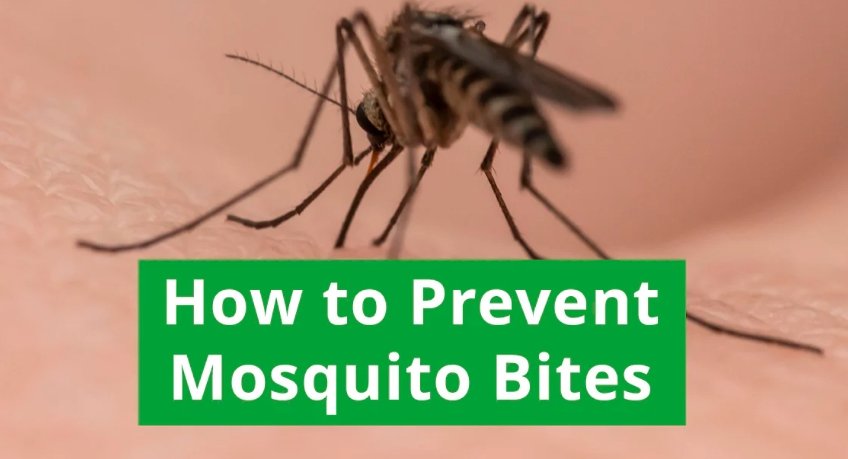
Staying safe from West Nile virus involves simple habits to avoid mosquito bites, particularly during dawn and dusk when insects are most active. Health departments across Colorado recommend protective measures to cut down on risks.
Here are key tips to follow:
- Use insect repellents containing DEET, picaridin, or oil of lemon eucalyptus when outdoors.
- Wear long sleeves, pants, and socks to cover skin, especially in areas with high mosquito activity.
- Eliminate standing water around homes, like in flowerpots, gutters, or birdbaths, to stop breeding.
- Install or repair screens on windows and doors to keep mosquitoes out.
- Avoid outdoor activities during peak mosquito hours if possible.
Local authorities in Montrose County plan more community outreach, including workshops on these steps. Following them can greatly reduce chances of infection.
Experts also suggest community-wide efforts, such as reporting dead birds, which can signal virus presence in an area. Testing mosquitoes in affected zones helps track the spread.
Statewide Surge in Cases
Colorado is facing a notable uptick in West Nile virus activity this summer, with cases reported in multiple counties. As of late August 2025, state health data shows rising infections, driven by warm weather and recent rains that boost mosquito populations.
The Centers for Disease Control and Prevention tracks national trends, noting that West Nile remains the leading mosquito-borne disease in the continental U.S. In Colorado alone, officials have confirmed several human cases across eight counties, including Adams, Arapahoe, Boulder, and Larimer.
To illustrate the impact, here’s a table summarizing key West Nile virus data for Colorado in 2025:
| County | Confirmed Cases | Deaths Reported |
|---|---|---|
| Montrose | 2 | 1 |
| Larimer | 5 | 1 |
| Weld | 7 | 0 |
| Boulder | 3 | 0 |
| Others Combined | 12 | 1 |
This data reflects reports up to August 28, 2025, and highlights hotspots in northern and eastern parts of the state. Compared to last year, cases are up by about 20 percent, linking to climate patterns that favor mosquito breeding.
Other states, like Michigan, have also seen deaths this season, pointing to a broader national concern. Colorado’s first human death of the year occurred in July in Lafayette, signaling an early start to the season.
Health Officials’ Response
State and local teams are stepping up surveillance, testing mosquitoes in 16 counties so far. Positive samples have appeared in places like Denver and Jefferson, prompting alerts and spraying in high-risk areas.
Experts from the Colorado Department of Public Health and Environment warn of “concerning trends,” urging vigilance through fall. They note that while most infections are mild, the virus claims lives in about 1 to 2 percent of severe cases.
Community leaders in Montrose are pushing for better awareness, sharing stories like this to encourage precautions. Ongoing monitoring aims to prevent further spread as summer winds down.
If you have questions about symptoms or testing, contact your local health department for guidance.
Share this article with friends and family to spread awareness about West Nile virus risks, and drop a comment below on your own prevention tips or experiences.