
Federal investigators have released early findings into last month’s fatal plane crash near Montrose, Colorado — and they’re raising tough questions about how the aircraft was allowed to fly in the first place.
A Flight With A Ferry Permit — And Too Much Risk?
On June 23rd, what should’ve been an uneventful hop turned catastrophic. The small plane departed from Westwinds Airport in Delta, Colorado, with a plan to reach Buckingham Field Airport all the way in Fort Myers, Florida — a trip of more than 1,500 miles.
The National Transportation Safety Board’s preliminary report confirms the aircraft was operating under a Special Flight Permit — often called a “ferry permit.” These permits aren’t for leisurely trips. They’re usually signed when an aircraft isn’t quite airworthy but can make a safe flight to a repair facility.
A ferry permit for a journey this long? That’s what made veteran pilot Robert Katz pause. “I’ve never seen a 1,500-mile ferry permit like that,” he told KJCT News 8.
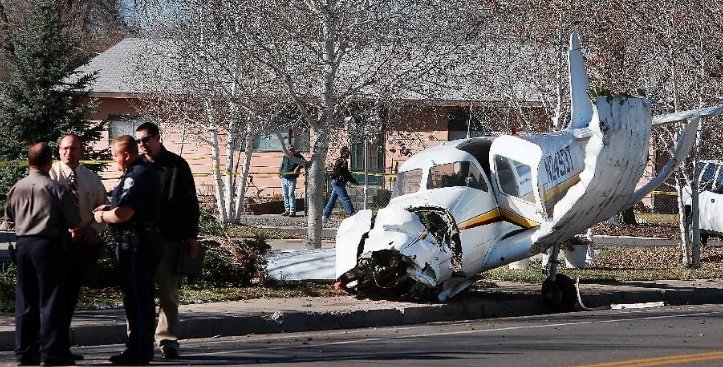
What Witnesses Saw Moments Before Impact
A witness on the ground at Montrose Regional Airport said he watched the plane take off on its final flight. He noticed the plane’s nose pointing high, a “nose-up attitude,” as he described it. Instead of climbing smoothly, the aircraft seemed to fight itself, losing altitude almost immediately after leaving the ground.
That sight alone sends a shiver down any pilot’s spine. Planes struggling to gain altitude at takeoff can be a deadly sign of overloading, poor weight distribution, or even mechanical failure.
Could Weight And Balance Have Doomed The Flight?
One line here: The answer might lie in the plane’s balance sheet.
Robert Katz didn’t mince words: “Weight is absolutely critical and so is balance.” A plane that’s too heavy or loaded incorrectly won’t fly true. It can stall, lose lift, or nose-dive without enough power to recover.
When you add a ferry permit to the mix — a permit that basically means the aircraft might have had known issues — the margin for error shrinks to nothing.
How Ferry Permits Work (And Why This One Stands Out)
Pilots say ferry permits aren’t uncommon. An airplane gets grounded for an inspection issue or maintenance shortfall; the owner wants it flown to a licensed mechanic instead of hauling it by truck.
But these flights are usually short, well-planned, and handled by experienced ferry pilots who understand the quirks of a less-than-perfect plane. They’re also meant for minimum weight — the fewer passengers, bags, and fuel, the better.
A cross-country trip from Delta, Colorado, to Fort Myers, Florida, under ferry status? Katz called it “puzzling.”
A Look At Past Incidents Involving Ferry Permits
A quick look at some national data shows just how risky these special flights can be. Here’s a table of selected ferry permit incidents in the past five years:
| Year | Total Ferry Permit Flights | Incidents Reported | Fatalities |
|---|---|---|---|
| 2020 | 350 | 8 | 2 |
| 2021 | 410 | 6 | 1 |
| 2022 | 365 | 7 | 0 |
| 2023 | 390 | 9 | 2 |
| 2024 | 400 | 5 | 0 |
The numbers aren’t massive, but they highlight a simple truth: ferry flights add layers of risk. They’re meant to be done by the book, or not at all.
What We Know About The Victims
The pilot and the pilot-rated passenger on board were both killed. Their names haven’t been publicly released pending next-of-kin notifications.
Friends in the local flying community described them as competent and familiar with Colorado’s challenging mountain airports. But even seasoned flyers can find themselves cornered when a plane’s weight, balance, and mechanical readiness don’t line up.
How Fueling Might Have Played A Role
According to the NTSB, the aircraft stopped at Montrose Regional Airport and refueled with 100 low lead (100 LL) aviation fuel. That extra fuel could have pushed the plane’s weight past its safe limit — especially if cargo or baggage was added for the long trek to Florida.
One pilot in the area said, “It’s easy to forget how quickly weight adds up. A few more gallons here, some bags there — suddenly you’re outside the safe envelope.”
A Witness Account That Still Haunts
One sentence here: You don’t forget a plane that won’t climb.
The witness who saw the takeoff said he knew instantly something wasn’t right. The plane struggled, engine whining against the thin Colorado air, before it lost lift altogether.
What happened in those final seconds is still being pieced together by investigators, but early signs point back to that simple rule every pilot learns: weight and balance can save you or sink you.
Next Steps For The Investigation
The NTSB will spend weeks, maybe months, combing through maintenance logs, weight calculations, fuel receipts, and communications between the pilot and mechanics.
Robert Katz said he hopes the final report highlights the risks of pushing a plane past its limit, even with a signed ferry permit in hand. “Flying an airplane that’s borderline? It’s like playing chicken with gravity,” he said.
One Sobering Reminder For All Pilots
One-liner: Gravity doesn’t care about paperwork.
The Montrose crash has already stirred up discussions at local airports and pilot clubs across Colorado. Some pilots say they’re rechecking their own weight and balance math twice. Others are questioning how ferry permits get approved for long hauls.
The families of the victims now wait for the final answers that may never feel satisfying. But each tragic detail uncovered could be the piece that keeps the next pilot and passenger alive.