Ohio Governor Mike DeWine has approved sending 150 National Guard members to Washington, D.C., to support efforts against rising crime and homelessness. The deployment, announced on August 17, 2025, comes at the request of the U.S. Army as part of President Trump’s broader plan to overhaul policing in the nation’s capital.
Background on the Deployment Request
The move follows President Trump’s executive order earlier this month, which placed D.C.’s police under federal control. This action aims to address what the administration calls out-of-control crime rates and widespread homelessness in the city.
Officials point to recent statistics showing a spike in certain crimes, though D.C. Mayor Muriel Bowser has noted that violent crime is at a 30-year low. The federal response includes activating local D.C. National Guard troops and now pulling in support from states like Ohio.
This is not the first time Ohio has sent guards to D.C.; a similar deployment happened in 2021 for security reasons. The current effort focuses on presence patrols to deter illegal activities and help clear homeless encampments.
Details of Ohio’s Contribution
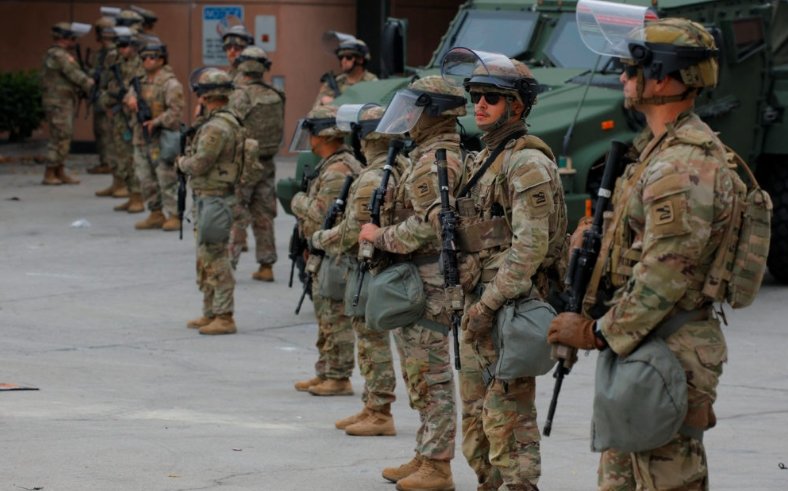
Governor DeWine stated that the 150 members are military police from the Ohio National Guard. They will perform security tasks and patrols but are not active law enforcement officers in Ohio.
The troops are set to arrive in D.C. within days, with the mission expected to last several weeks or longer based on needs. Funding comes from federal sources, easing the burden on state budgets.
This group joins others from Republican-led states. For instance, West Virginia is sending up to 400 troops, and South Carolina has pledged 200.
Key aspects of Ohio’s deployment include:
- Focus on high-visibility patrols in problem areas.
- Coordination with federal agencies for logistics.
- Training emphasis on de-escalation and community interaction.
Broader National Guard Involvement
Several states have stepped up to support the federal initiative. The total number of out-of-state Guard members heading to D.C. could reach 750 or more in the coming weeks.
President Trump has described D.C. as one of the most dangerous cities, citing issues like theft and public disorder. The plan involves not just policing but also relocating homeless individuals to designated areas outside the capital.
Critics argue this approach overlooks root causes like housing shortages. Recent data from the U.S. Department of Housing and Urban Development shows unsheltered homelessness in D.C. rose by about 27 percent from 2022 to 2024, despite city efforts to provide shelters.
The administration has indicated some troops might be armed if situations escalate, though initial deployments are unarmed.
Impact on Crime and Homelessness in D.C.
D.C. faces unique challenges as the nation’s capital, with high tourist traffic and visible public spaces. Homeless encampments near landmarks like the National Mall have drawn attention, leading to calls for action.
The federal crackdown includes faster clearances of encampments, bypassing local notice periods. This has sparked debate, with advocates warning it could worsen the plight of vulnerable people.
Here is a quick look at recent D.C. crime trends compared to national averages:
| Category | D.C. Rate (2024) | National Average (2024) | Change from 2023 |
|---|---|---|---|
| Violent Crime | 450 per 100,000 | 380 per 100,000 | -15% |
| Property Crime | 3,200 per 100,000 | 2,000 per 100,000 | +5% |
| Homeless Population | 5,000 unsheltered | Varies by city | +10% |
These figures highlight mixed results, with violent crimes down but other issues persisting.
Local leaders have mixed reactions. Some welcome the extra help, while others see it as federal overreach.
Supporters say the presence of Guard troops will boost safety and tourism. Opponents fear it could lead to tensions, especially with communities affected by mental health and substance issues.
Public Reaction and Future Outlook
Social media buzz shows divided opinions. Many praise the move for restoring order, while others question using military for social problems.
Experts suggest long-term solutions like affordable housing and job programs are key, beyond short-term patrols.
As the deployment unfolds, officials will monitor its effects on crime stats and public safety. The administration plans to expand if needed, possibly involving more states.
This initiative ties into broader 2025 trends, including similar federal actions in cities like San Francisco facing homelessness spikes.
What do you think about this deployment? Share your views in the comments and spread the word to keep the conversation going.