As summer nears and temperatures begin their familiar climb, the Town of Palisade is preparing for what could be another intense wildfire season. On Monday, the Palisade Fire Department officially announced it is looking to hire three Seasonal Wildland Firefighters to bolster its 2025 response team.
The department is actively recruiting for the following roles:
-
Engine Boss / Crew Boss
-
Engine Operator
-
Lead Wildland Firefighter
With a May 12 deadline and fire conditions already becoming a concern across the Western Slope, the department is hoping to attract qualified candidates with the right mix of experience and certification.
A growing need for seasonal support
This isn’t just routine staffing.
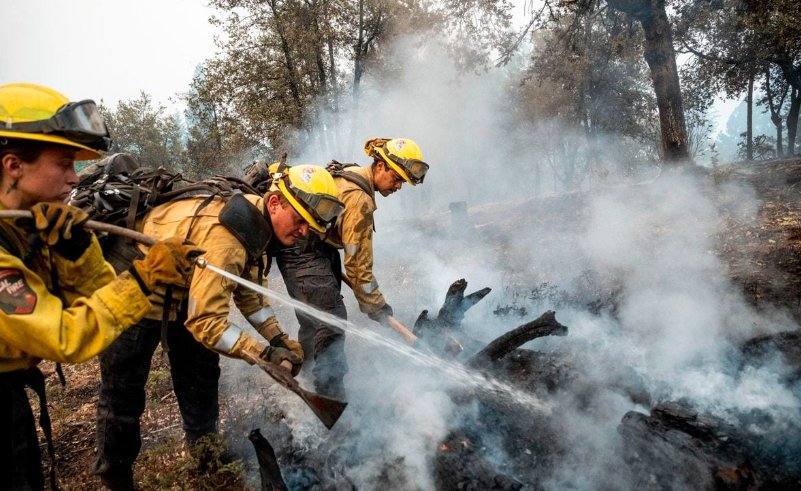
Like many communities in the high desert climate of western Colorado, Palisade is increasingly vulnerable to wildland fire. The risk is especially high in late summer when vegetation dries out and strong winds can fan even small flames into unmanageable blazes.
Fire Chief Charles K. Balke says that hiring seasonal firefighters is a critical part of the town’s wildfire defense strategy — especially in a year where snowpack is below average and the fire risk could spike early.
“These seasonal positions aren’t backups — they’re frontline,” Balke said in a statement. “We rely on them for fast, skilled responses when wildfires break out, especially in remote terrain.”
Job requirements go beyond basics
This is no entry-level gig. Candidates will need more than enthusiasm and endurance to qualify.
Here are the key requirements listed by the Palisade Fire Department:
-
Must be 18 years of age or older
-
Must possess a high school diploma or GED
-
Valid driver’s license
-
Completion of relevant ICS (Incident Command System) certifications
-
NWCG (National Wildfire Coordinating Group) wildland firefighter training
Some positions, like the Engine Boss or Crew Boss, also require supervisory experience and advanced fireline qualifications — not something you pick up overnight.
While the pay rates were not listed in the announcement, these seasonal roles are often competitive in communities like Palisade, where the season may only last a few intense months but requires round-the-clock readiness.
The changing face of wildfire season
Ten years ago, fire departments might not have needed this kind of surge staffing. But 2025 is a different world.
Western Colorado has seen a sharp rise in wildland fire incidents — not just in size and intensity, but in frequency. A prolonged drought, earlier snowmelt, and unpredictable wind patterns have all changed how fire spreads and how long fire season lasts.
According to the Colorado Division of Fire Prevention and Control, the average Colorado wildfire season now stretches 78 days longer than it did in the 1970s.
That means departments like Palisade’s aren’t just looking for a few extra hands — they need people ready to lead strike teams, drive fire engines in steep terrain, and make decisions that can save lives.
How to apply
Applications are currently open and available on the Town of Palisade’s official website. Completed applications must be submitted by Monday, May 12, 2025.
Submissions should be sent to:
Charles K. Balke
Fire Chief
Palisade Fire Department
The department recommends that candidates prepare early and ensure their certifications are up to date, especially if applying for leadership roles.
For those unfamiliar with the system, NWCG training refers to standardized courses set by the federal government for wildland firefighters. These include S-130 (Firefighter Training), S-190 (Introduction to Wildland Fire Behavior), and L-180 (Human Factors in the Wildland Fire Service), among others.
A high-stakes opportunity
For the right candidate, these roles offer more than a paycheck. They’re an opportunity to be part of a mission that’s both dangerous and deeply meaningful — protecting lives, homes, and landscapes that define Colorado’s Western Slope.
It’s not uncommon for seasonal firefighters to move into full-time careers in fire service, emergency management, or forestry. Others return year after year, driven by the sense of urgency, camaraderie, and the ever-present challenge of battling wildfire.
And this year, that challenge could be greater than ever.