
Colorado Governor Jared Polis asked state lawmakers for up to $10 million on October 22, 2025, to help food banks as a federal government shutdown threatens to halt SNAP benefits for more than 600,000 residents starting in November. This move aims to prevent hunger among low-income families while Congress works to end the shutdown now in its fifth week.
The Growing Threat to Food Security in Colorado
Families across Colorado face tough times as the federal shutdown disrupts vital aid programs. SNAP, once known as food stamps, provides crucial support for buying groceries, but benefits could stop flowing next month without action. Experts note that about 20 percent of children nationwide deal with food insecurity, and rates climb as high as 50 percent in some rural Colorado counties.
This crisis hits hard in areas like Grand Junction and Colorado Springs, where demand for food assistance has already risen. Parents worry about skipping meals to feed their kids, and children might struggle with school if they go hungry. Behavioral problems in kids often link to lack of nutrition, making steady food access a key to their health and learning.
State leaders stress that time runs short. The halt could block $120 million in aid for eligible residents, pushing more people toward local pantries that may not handle the surge.
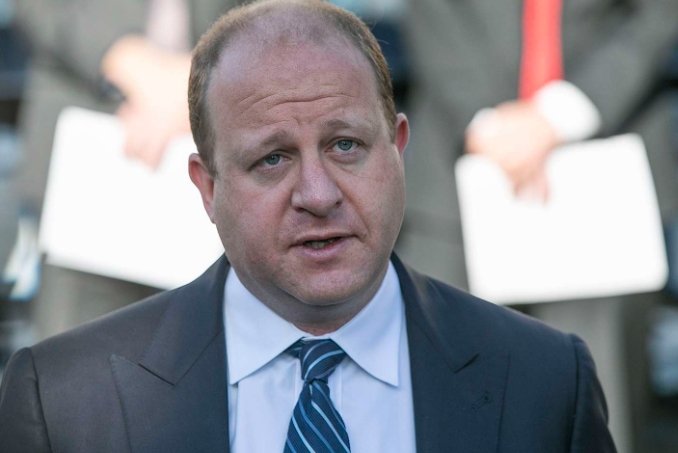
Breaking Down the Funding Request
Polis sent the proposal to the Joint Budget Committee, seeking quick approval for the funds from the state’s General Fund. He plans to start with $3.25 million next week to buy bulk food right away. If the shutdown drags into December, the full $10 million would kick in to keep support going.
This funding targets food banks through groups like Feeding Colorado, which help distribute meals statewide. Polis visited Colorado Springs recently to highlight the plan and urge community involvement. He made it clear the state cannot fully replace federal aid but wants to fill the gap as much as possible.
The request also covers extra costs for emergency purchases. Without it, food banks might run low on supplies, leaving families without options during the holidays.
Here are key details on the proposed aid:
- Initial Allocation: $3.25 million for immediate bulk food buys.
- Total if Extended: Up to $10 million through mid-December.
- Target Groups: Over 600,000 SNAP users, including many families with children.
- Additional Focus: Rural areas with higher insecurity rates.
Protecting Women and Children Through WIC Extension
Beyond SNAP, Polis wants to extend funding for the Women, Infants, and Children program, known as WIC. This initiative aids nearly 100,000 women and kids in Colorado with nutrition support like healthy foods and checkups. The extension ensures they keep getting help even if federal dollars pause.
WIC plays a big role in early health, helping moms and babies avoid issues from poor diets. Groups like Save the Children Action Network point out how food ties to better outcomes for young ones. Without this bridge, low-income moms might face hard choices during the shutdown.
Lawmakers have already approved some state funds for WIC in case of delays, but Polis pushes for more to cover the full period. This step shows Colorado’s commitment to vulnerable groups amid national gridlock.
Community Efforts and Donation Drives
Polis launched a new push with Feeding Colorado to rally residents for help. People can donate food, money, or time to local banks, and an online map shows hot spots where SNAP reliance is highest. This tool helps direct aid where it’s needed most, from urban Denver to remote mountain towns.
Demand at pantries is up as families brace for the worst. Cash donations work best since banks buy wholesale, stretching every dollar. Recent community talks on social media highlight stories of neighbors stepping up, sharing tips on free meals and grocery runs.
To illustrate the reach of SNAP in Colorado, consider this table of estimated impacts:
| Region | SNAP Recipients | Potential Monthly Loss | Food Insecurity Rate |
|---|---|---|---|
| Denver Metro | 250,000 | $50 million | 15% |
| Rural Counties | 150,000 | $30 million | Up to 50% |
| Colorado Springs | 100,000 | $20 million | 20% |
| Statewide Total | 600,000 | $120 million | 18% average |
These numbers underscore why quick action matters for everyday life.
Ties to National Shutdown Struggles
The federal shutdown, now over a month long, affects more than just Colorado. Other states scramble to fund food aid, with similar pleas for emergency dollars. Past shutdowns showed how delays hurt the most, leading to higher pantry lines and health worries.
In Colorado, this builds on recent changes like limits on sugary drinks in SNAP to promote better eating. Polis links the funding to broader goals of healthy communities, noting how steady support cuts long-term costs for schools and hospitals. As talks in Washington drag on, state steps like this offer real relief now.
Experts predict the shutdown could worsen if not resolved soon, tying into bigger debates on budget and aid. Colorado’s plan sets an example for balancing state resources with federal shortfalls.
Readers, this story shows how local action fights national hurdles. Share your thoughts in the comments below and spread the word to help get the message out, so more families stay fed during tough times.