The United States Postal Service just hit a milestone few institutions can claim: 250 years of delivering letters, packages, and a promise. But at a rally in Grand Junction, it wasn’t just about looking back—it was about fighting for the future.
A group of local postal workers, union members, and community supporters gathered Thursday to mark the USPS’s sestercentennial. Amid the birthday cheers and shared pride in one of America’s oldest public services, a warning was loud and clear: the push to privatize the Post Office hasn’t gone away.
“We’re not just here to cut a cake,” said Shane McDonnell, vice president of Western Colorado Area Local #600. “We’re here because we’re worried.”
A Legacy Older Than America
The Postal Service was founded on July 26, 1775, with Benjamin Franklin as its first Postmaster General—before the Declaration of Independence had even been signed.
In Grand Junction, this history wasn’t lost on the workers waving banners and wearing T-shirts with slogans like “Our Post Office, Not For Sale.”
A few held up placards with Franklin’s face printed over the USPS eagle logo. One retiree joked, “Ben Franklin would’ve filed a grievance by now.”
But beneath the celebration, something more urgent was brewing.
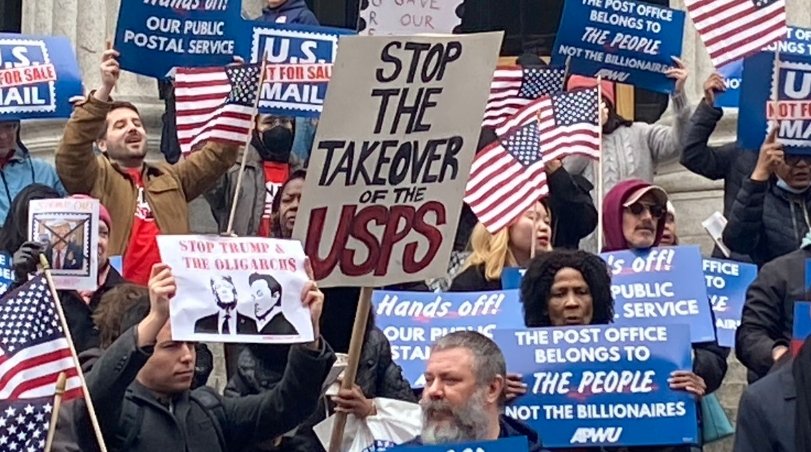
Privatization Fears Take Center Stage
McDonnell didn’t mince words. “If they privatize us, your mail will be delayed. Rural routes will suffer. Prices will jump. We’ll lose the very thing that makes USPS work for everyone.”
His concern isn’t unfounded. There’s been talk in Washington for years about trimming the USPS budget or offloading operations to private firms. Some proposals have resurfaced under the guise of efficiency or cost-cutting.
According to the American Postal Workers Union, similar attempts in the past led to:
-
Reduced delivery days in smaller towns
-
Closure of local mail processing centers
-
Slower delivery times for prescription drugs and Social Security checks
“People forget, we don’t pick and choose customers based on profit,” McDonnell added. “We serve everyone.”
Why the Public Still Needs a Public Post Office
One postal clerk at the rally, who asked not to be named, said her regulars include elderly customers who rely on her for more than just stamps.
“I’m their only point of contact some weeks,” she said. “They need help with forms, bills, even a little small talk. UPS won’t do that. Amazon drivers are in and out.”
She wasn’t exaggerating. The USPS operates more than 31,000 post offices—many in rural or remote communities where no other carriers go.
And those locations aren’t just for sending mail. They’re hubs of civic life, offering services like:
-
Money orders
-
Passport applications
-
Voter registration forms
-
Federal employment access
There’s also a quiet economic role the public often overlooks. USPS hires over 600,000 workers and is one of the largest civilian employers of veterans in the country.
Here’s What’s at Stake
It’s not just about jobs or heritage. It’s also about cost and access.
| Type of Carrier | Delivers to Every Address? | Offers Flat Rates? | Funded by Taxpayers? |
|---|---|---|---|
| USPS | Yes | Yes | No |
| UPS | No | No | No |
| FedEx | No | No | No |
Unlike private carriers, USPS delivers everywhere—even if it’s a dirt road in the Rockies or a houseboat in Alaska. It also funds itself through postage, not taxpayer dollars. That’s something many people don’t realize.
“The myth is we’re a drain on government. But that’s not true. We pay our own way,” said one retired mail carrier who attended the rally with his granddaughter.
A Bit of Cake, A Lot of Grit
The atmosphere at the rally wasn’t entirely somber. There were cupcakes, kids waving mini flags, and retirees catching up with old coworkers.
But the focus stayed on defending what they believe in.
One banner summed it up: “250 Years Strong. Still Not for Sale.”
A former supervisor leaned in and said, “It ain’t just nostalgia. It’s a fight.”
And it sure felt like one. Passionate speeches. Whistles. Chants of “Save Our Service!” echoed through the small plaza.
Even passing drivers honked in support.
“This Is Bigger Than Us”
A high school senior from Fruita who showed up to support her aunt, a USPS employee, said she came because she didn’t want her little cousins growing up without knowing what a real post office was like.
“It’s kind of sacred,” she said.
That word came up more than once—sacred. Not in a religious way, but in the sense that some things shouldn’t be for sale. Libraries. National parks. Public schools. And, for this crowd, the Post Office.
“There’s still a lot of pride in wearing this blue shirt,” McDonnell said. “But there’s also fear. And we’re not going to be quiet about it.”
As the sun started to dip behind the western Colorado hills, one man rolled up the rally banner and said, “See you at the next one.”
He meant it.