A controversial plan that would’ve opened millions of acres of public land for private sale has been scrapped from the massive ‘One Big Beautiful Bill’, leaving conservationists breathing a sigh of relief — at least for now.
Utah Senator Mike Lee, who chairs the Senate Committee on Energy and Natural Resources, confirmed the removal late last week after a Senate Parliamentarian ruled the proposal out of order. For many in Western Colorado and across the rural West, the news feels like a narrow escape.
Communities Hold Their Breath
Kate Groetzinger, who speaks for the Center for Western Priorities, didn’t mince words when asked what this means for locals. Two sentences, but heavy with emotion: “It preserves the quality of life people moved here for. They came for nature — they’d have lost it to bulldozers.”
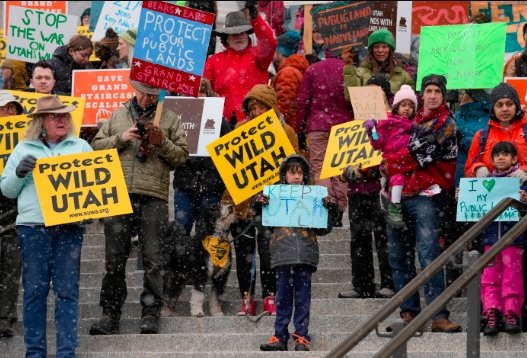
She’s not alone in that worry. Residents in towns from Grand Junction to Moab have long feared that opening public lands to developers would shrink access to wild places. Imagine trading a hiking trail for a shopping plaza? Not many folks out West want that swap.
But this isn’t the first time such an idea’s surfaced. It probably won’t be the last, either.
Senator Lee’s Stance Remains Firm
One sentence here: Senator Lee, however, isn’t backing down.
In a statement, Lee said he believes the federal government owns too much land — a stance that’s found him allies and enemies alike. He argues that underused federal land should serve American families more directly. How? By being sold off, developed, or leased for energy production.
The Parliamentarian’s ruling knocked the proposal out of the current package, but Lee made it clear he plans to keep pushing.
-
He says federal land is “mismanaged.”
-
He wants “underutilized” tracts put “to work.”
-
He’s prepared to revisit the issue again and again.
Those words rattle conservationists who feel like they’re always on defense.
A Bigger Battle Over Oil and Gas
Public land sale isn’t the only piece drawing scrutiny. Buried in the same budget bill is a provision about oil and gas leases that could reshape Western landscapes in quieter but just as dramatic ways.
Groetzinger flagged it as a looming threat. She warned it would require quarterly lease sales for any unprotected public land, throwing wide swaths of forest, desert, and scrub to drillers.
One sentence: She called it “a backdoor way of opening the door for industry.”
So what does that mean in real terms? Here’s a quick peek:
| Current Law | Proposed Provision |
|---|---|
| Lease sales not mandatory | Mandates quarterly lease sales |
| Some parcels remain unused | Fewer protections for unprotected land |
| Conservation group input | Less community say, faster drilling |
While the land sale grab got the boot, this lease piece stayed put. And that’s got local communities worried they’re still staring down bulldozers — or drill rigs.
Mixed Feelings from the Ground
Ask any hunter, rancher, or hiker out here and you’ll hear the same thing: people love the West for its open space. It’s part of their identity.
One guy in Mesa County told me he’s always been conservative but hates the idea of paving over what makes his backyard so special. “I vote red, but I like my hunting grounds,” he said with a laugh.
That tension — political values versus the love of public lands — keeps cropping up in the Rockies and desert Southwest. And it’s shaping elections in ways that surprise even seasoned campaign watchers.
One sentence: People want balance.
Who Gains, Who Loses?
Not everyone’s upset about the idea of putting land “to work.” Some local governments see it as a way to boost tax bases, bring jobs, and build affordable housing. That’s a tough pitch when housing costs keep climbing.
But is that enough to justify selling off wilderness? For Groetzinger and her crew, the answer’s simple: no way.
She argues the public lands model already delivers economic value — recreation, tourism, and ecosystem services that don’t show up in every ledger. If you shut the gate on the trailhead, you shut the gate on a piece of the local economy too.
The Fight Isn’t Over
Mike Lee’s tweet made it plain as day: this is just the start. He’s looking for other ways to revive the push for land sales. And the oil and gas lease fight is still smoldering.
For Western lawmakers, the bigger question is whether they can find a middle ground that respects rural livelihoods while keeping open spaces open. A tall order.
For now, the ‘One Big Beautiful Bill’ lost one of its ugliest pieces — at least if you ask people who’d rather see sagebrush and elk than strip malls. But the conversation isn’t going away anytime soon.