
Cleanup crews are racing against time to remove crude oil from West Douglas Creek in Colorado after a tanker truck crashed on Highway 139. The accident, which happened on January 5, 2026, spilled about 9,250 gallons of oil into the creek, prompting a quick response from the Environmental Protection Agency and local teams to contain the damage.
What Happened in the Crash
A single vehicle accident involving a tanker truck took place on a remote stretch of Highway 139 between Rangely and Grand Junction. Officials say the driver lost control, leading to the truck overturning and releasing its load of crude oil directly into the nearby creek.
The spill amounted to roughly 220 barrels, which equals 9,250 gallons. This volume poses risks to local wildlife and water quality in the area. Early reports indicate no injuries from the crash itself, but the focus shifted fast to environmental containment.
Investigators are looking into factors like road conditions or mechanical issues that might have caused the wreck. Highway 139 is known for its winding paths and can be tricky during winter months.
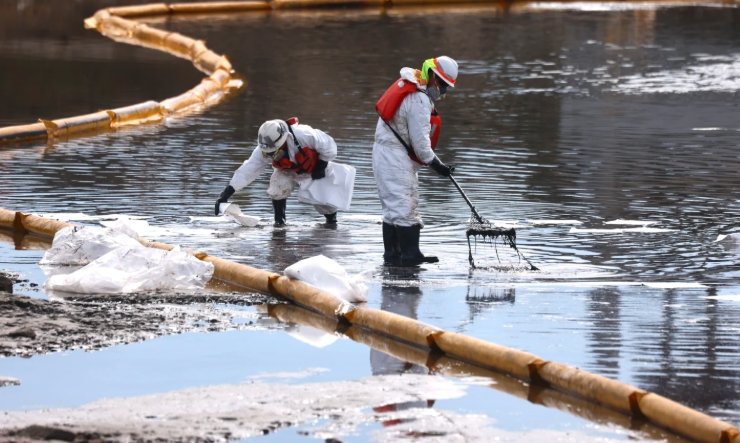
EPA Leads the Cleanup Effort
The Environmental Protection Agency stepped in right away, working with Rio Blanco County and the Bureau of Land Management. Teams used vacuum trucks to suck up as much oil as possible from the creek while trying to limit harm to the ecosystem.
The spill has been contained within West Douglas Creek, preventing it from spreading to other waterways. Crews set up barriers and are monitoring water flow to keep the oil in place.
Alternative drinking water sources have been provided for cattle on the affected Bureau of Land Management grazing land. This step helps protect livestock from any contaminated water.
No public land closures are in effect right now, which means access for locals and visitors remains open. However, experts warn that full recovery could take time due to the oil’s sticky nature and the creek’s terrain.
Officials note that weather plays a big role in cleanup speed. Recent cold snaps in Colorado might slow down operations if ice forms on the water.
Environmental Impact and Risks
Oil spills like this can harm fish, birds, and plants in the creek. Crude oil contains chemicals that disrupt ecosystems, potentially leading to long term damage if not cleaned up well.
West Douglas Creek feeds into larger water systems, so containing the spill early was key. Tests are ongoing to check for pollution levels in the water and soil.
Experts compare this to past incidents, such as a 2025 train derailment in Colorado that spilled over 8,000 gallons of fuel into the Gunnison River. In that case, cleanup took weeks and involved similar vacuum methods.
Local wildlife groups are watching for affected animals. Birds that land on oily water might suffer from coated feathers, making it hard for them to fly or stay warm.
- Potential risks to wildlife include oil ingestion, which can cause internal damage.
- Soil contamination might affect plant growth for months.
- Water quality could impact downstream users if traces remain.
Residents in Rangely and nearby areas worry about drinking water safety, though officials say public supplies are not at risk.
How Cleanup Works Step by Step
Teams follow a structured plan to handle the spill. First, they assess the site to map out the oil’s spread. Then, heavy equipment like booms and skimmers comes into play to collect the oil.
Vacuum trucks pump out pooled oil, while absorbents soak up smaller amounts. After removal, the area gets washed and monitored for any leftover residue.
| Cleanup Phase | Description | Tools Used |
|---|---|---|
| Containment | Stop oil from spreading further | Booms and barriers |
| Removal | Extract oil from water and soil | Vacuum trucks, skimmers |
| Restoration | Clean and restore the ecosystem | Absorbents, monitoring equipment |
| Monitoring | Check for long term effects | Water and soil testing kits |
This process ensures minimal lasting harm. The responsible trucking company is covering costs, as required by law.
In similar spills, like a 2025 oil leak in California’s Santa Clara River, cleanup lasted days and involved multiple agencies. Lessons from those events help here.
No timeline exists yet for when work will wrap up. Factors like weather and oil volume make it hard to predict.
Broader Context of Oil Transport Safety
Accidents like this highlight dangers in moving oil by truck in rural areas. Colorado sees many energy related transports due to its oil fields near Rangely.
Recent data shows U.S. oil spills from trucks averaged about 1,200 incidents per year in the last decade, according to federal reports. Most are small, but larger ones like this grab attention.
Calls for better road safety and truck regulations are growing. Some suggest more pipelines to cut down on truck hauls, though those have their own risks.
Environmental groups push for stricter oversight. They point to climate change links, as oil use contributes to global warming.
A 2026 Gulf of Mexico spill fined a company millions, showing how penalties can drive better practices.
What This Means for Local Communities
Rangely, a small town reliant on oil industry jobs, feels the spill’s effects. While no direct health threats exist, the event raises questions about emergency readiness.
Local leaders praise the quick response but want more details on prevention. Community meetings might follow to discuss findings.
For now, the focus stays on cleanup. Residents can report any unusual odors or wildlife issues to authorities.
This incident reminds everyone of nature’s fragility in energy rich regions. It also shows how teamwork between agencies can mitigate disasters.
Share your thoughts on oil transport safety in the comments below, and spread this article to raise awareness about environmental protection.