Forest rangers in northern Thailand made a stunning find during a routine patrol in Phu Khat Wildlife Sanctuary. They uncovered Ta Kueng Cave, filled with 2,000-year-old rock art that offers fresh clues about prehistoric life in the region.
This discovery happened between August 14 and 16, 2025, in the dense forests of Phitsanulok Province. Experts say it could change how we view early human settlements in Southeast Asia.
How the Cave Was Discovered
Rangers were on patrol to stop poaching and track wildlife in the Khwae Noi River basin. They stumbled upon the sandstone cave by chance while exploring remote areas like Khun Nam Ton and Ang Khon Kaen forests.
The team, led by sanctuary head Mongkol Khamsuk, named it Tham Ta Kueng. It sits deep in the Nakhon Thai District, far from main paths.
This find highlights the value of routine conservation work. Patrols often focus on protecting animals, but they can lead to big archaeological surprises.
Sanctuary officials shared photos on social media, sparking global interest. The cave had likely stayed hidden for centuries until now.
What the Rock Art Reveals
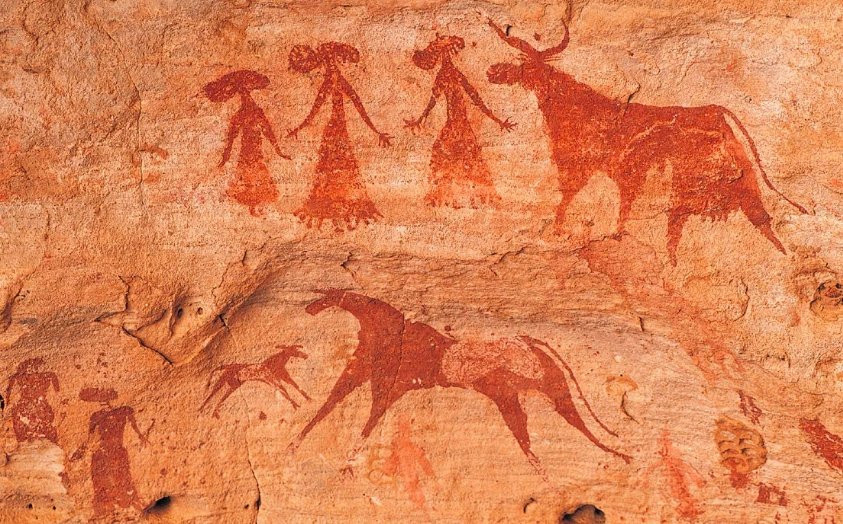
Inside Ta Kueng Cave, walls show engravings from long ago. These include geometric shapes and three-finger patterns that puzzle experts.
Early checks suggest the art dates to Thailand’s Metal Age, around 2,000 years back. This ties to a time when early people used tools and formed communities.
The cave also holds signs of old human use, like possible living spaces. No tools or bones were found yet, but the art alone is a treasure.
Experts compare it to other regional sites, where similar motifs hint at rituals or daily life. The untouched state makes it rare and valuable for study.
- Geometric designs: Straight lines and circles that might show early symbols.
- Three-finger patterns: Unique marks that could link to handprints or tools.
- Animal-like shapes: Faint outlines suggesting wildlife from that era.
These features point to creative minds at work in prehistoric times.
Why This Matters for History
Ta Kueng Cave challenges old ideas about when people settled in northern Thailand. Before this, records showed later arrivals, but the art pushes timelines back.
It fits into a wave of recent finds across Asia. For instance, caves in Indonesia and Laos have similar ancient drawings, dated even older.
Archaeologists believe this could reveal migration paths or trade routes. The Metal Age saw metalworking spread, and these engravings might show that influence.
Local historians note ties to broader Southeast Asian cultures. Patterns resemble those in nearby countries, suggesting shared traditions.
The site’s location in a wildlife sanctuary adds layers. It shows how nature preserved human history for so long.
This discovery aligns with global trends in archaeology. In 2024, experts found new cave art in Europe, sparking debates on human evolution. Now, Thailand joins that list.
Plans for Research and Protection
Officials plan detailed studies soon. Teams from Thai universities and international groups will survey the cave.
They aim to date the art precisely using modern methods like carbon analysis. This could confirm the 2,000-year estimate or adjust it.
Protection is key. The sanctuary will limit access to avoid damage from visitors or weather.
| Aspect | Details | Importance |
|---|---|---|
| Dating Methods | Carbon testing and style comparison | Confirms age and cultural links |
| Protection Steps | Restricted entry and monitoring | Keeps site safe for future study |
| Research Teams | Local experts and global partners | Brings diverse skills to analysis |
| Potential Finds | Tools or remains in deeper areas | Could reveal more about daily life |
These efforts ensure the cave stays a source of knowledge.
Collaboration with nearby communities is also in the works. Locals might help guard the site while learning its history.
Boost for Tourism and Conservation
Ta Kueng Cave could draw eco-tourists to Phu Khat Wildlife Sanctuary. The area already hosts hikers and nature lovers, and this adds a historical angle.
Officials see it as a way to fund conservation. Guided tours might start after studies, blending education with adventure.
Yet, they stress sustainable visits. Overcrowding harmed sites like Lascaux Cave in France, so Thailand aims to avoid that.
This find ties into 2025 trends, where travel focuses on hidden gems. Recent events, like new trails in Vietnam’s parks, show growing interest in such spots.
It also boosts awareness of wildlife sanctuaries. Phu Khat covers 241 square kilometers, home to rare animals like tigers and elephants.
Looking Ahead
As research unfolds, Ta Kueng Cave might rewrite parts of Thai history. It reminds us that jungles hold secrets waiting to be found.
Share this story if it sparked your interest in ancient discoveries. What do you think the rock art means? Drop a comment below and join the discussion.